Home › Industries › Transport, Ports & Fleet
Cameras in the vehicle for the journey, and cameras on your people for the part of the shift that happens outside it. One supplier, and one place the footage lands.
What each kind of operation needs the cameras to do.
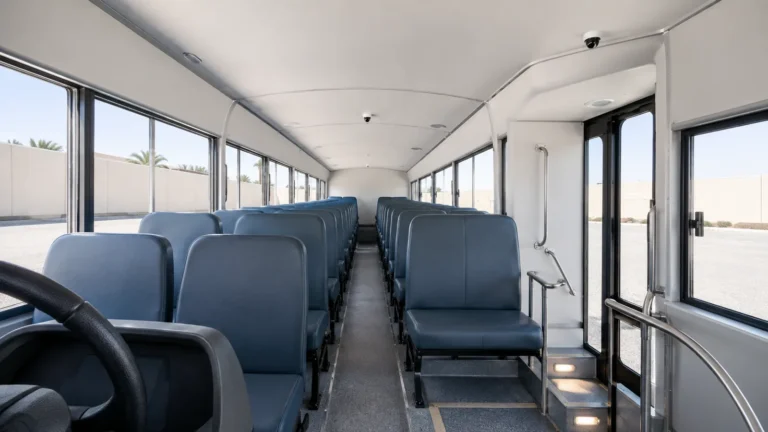
A camera at the door sees every child who gets on and off. When a parent asks what happened on the run, the answer is already on file.
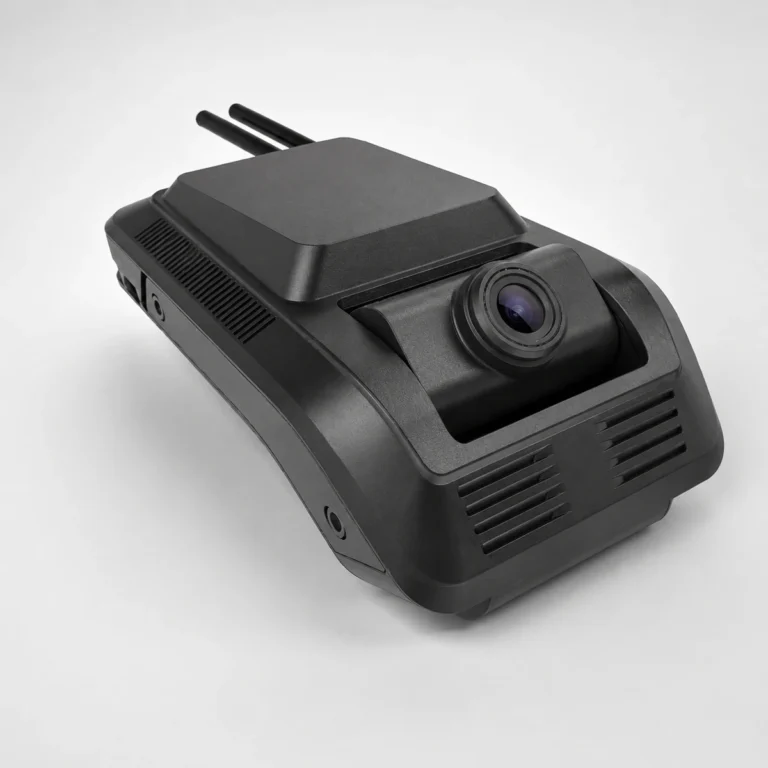
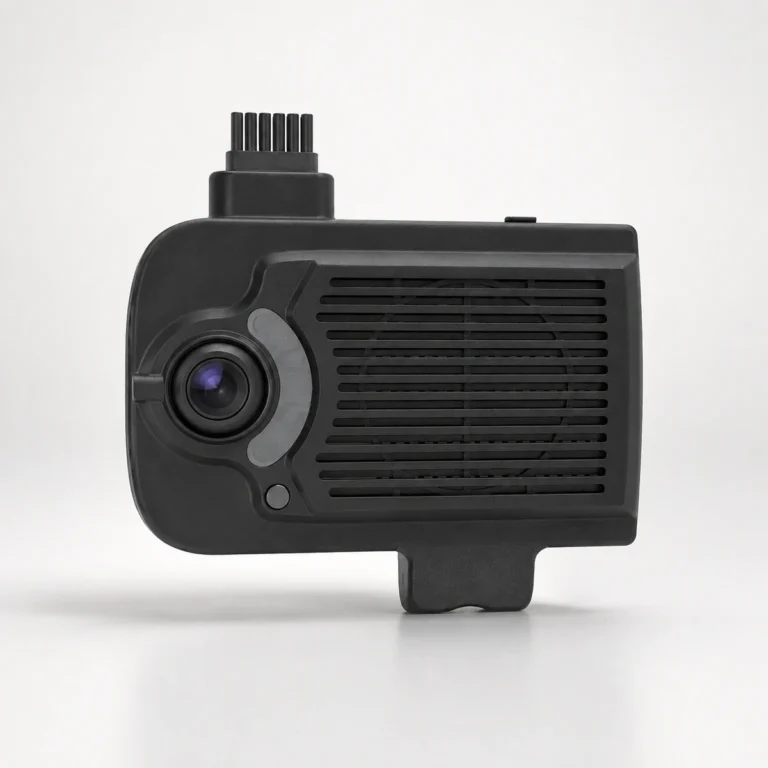
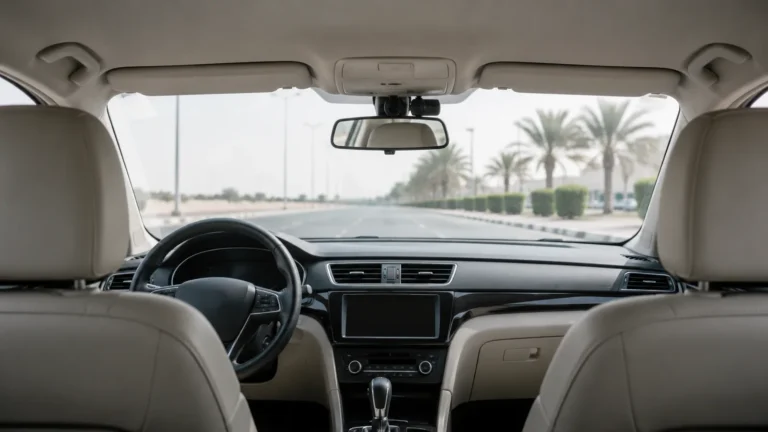
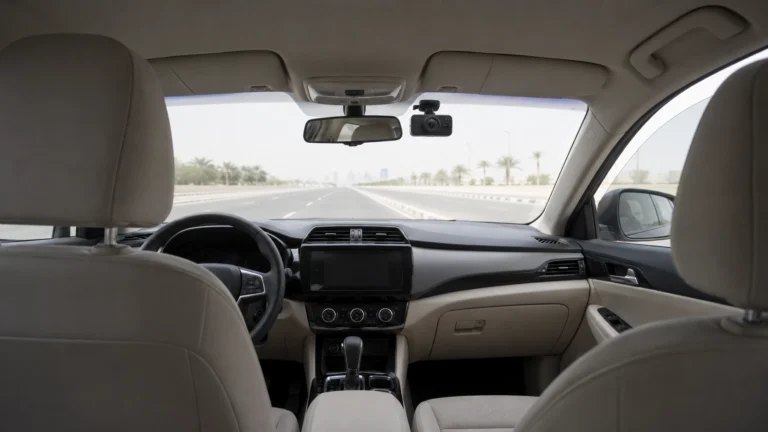
One unit on the windscreen watches the road and the cabin at the same time, so a dispute over a fare stops being one person’s word.
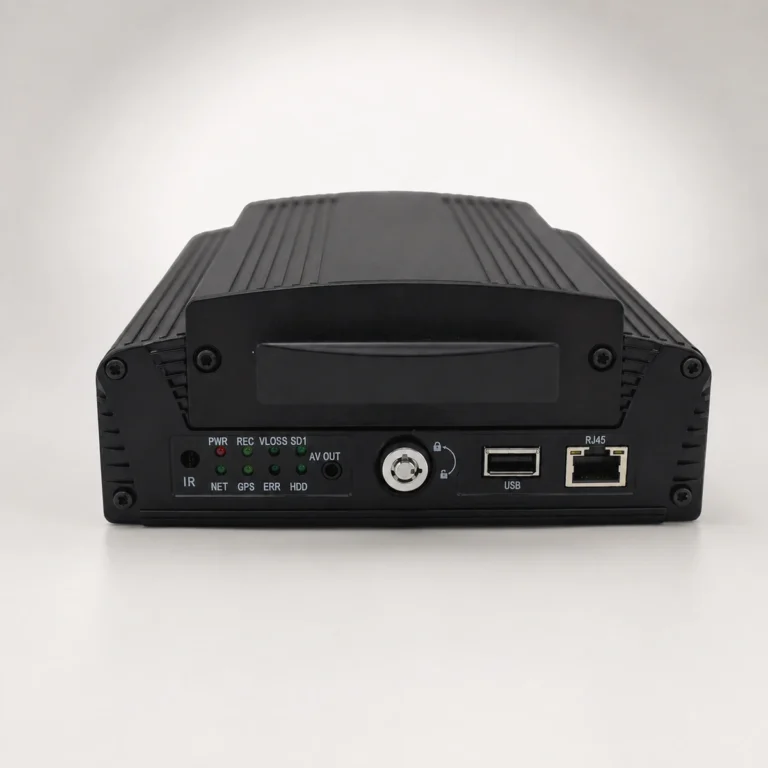
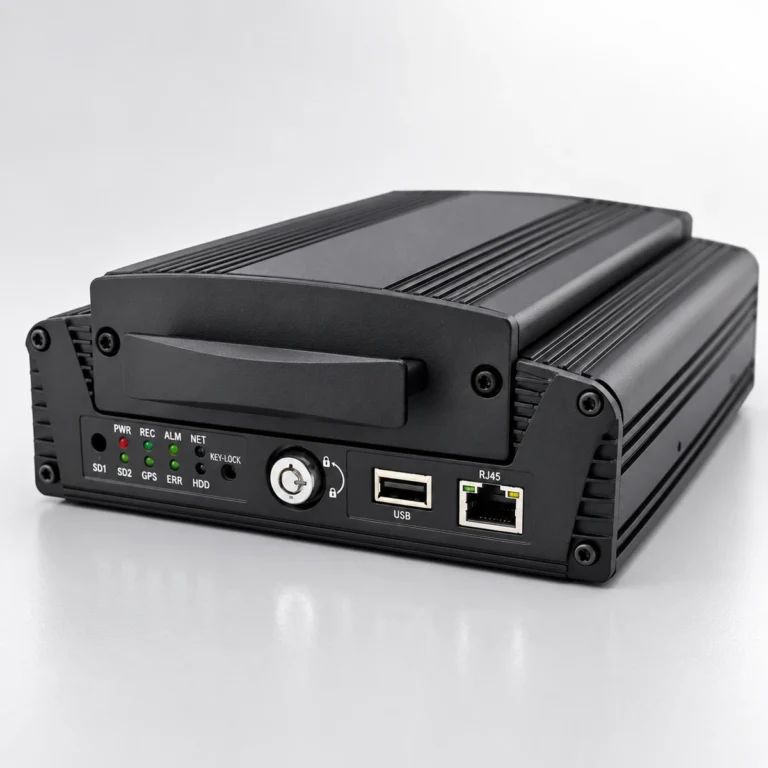
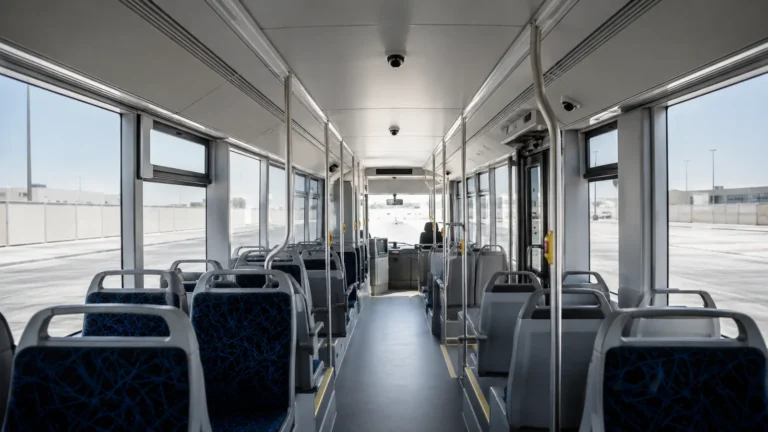
A coach has more doors and more passengers than anything else on this list. One recorder takes a camera at each of them, plus the driver and the road.
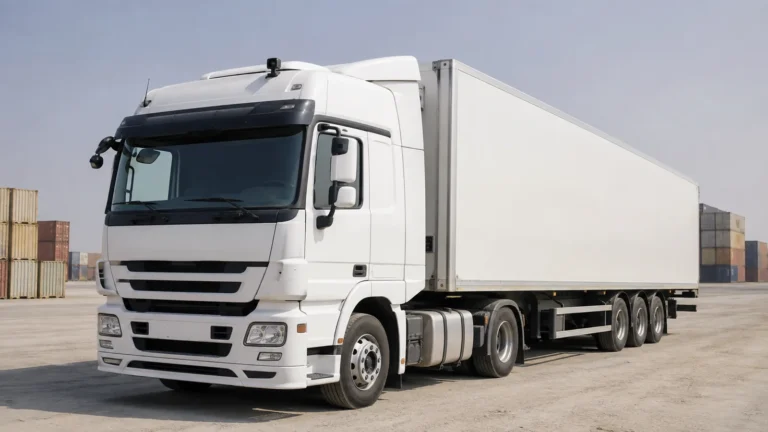
Blind spots do more damage here than arguments do. Side and rear cameras cover what the mirrors miss, and the recording keeps until the claim arrives.
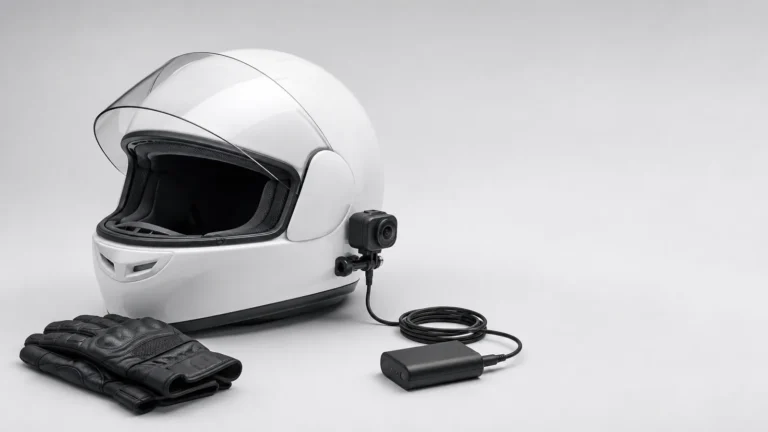
A motorcycle has no cabin to put a recorder in. The camera goes on the helmet, and the ride is recorded from where the rider was looking.
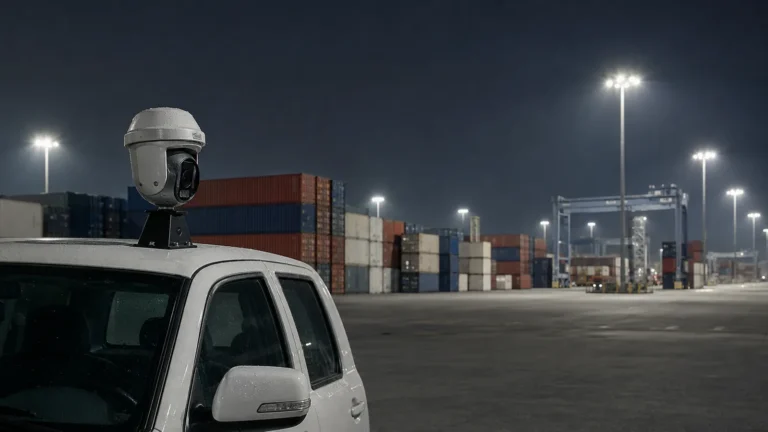
Gates, stacking areas and container checks. Plant moves at night, crews work on foot, and a damage survey has to hold up months later.
Nobody sees the moment a loader touches an airframe. The turnaround is recorded while it is being worked, so a damage claim has something to look at.
Rental, waste, cement, plant hire and staff shuttles run the same recorders and the same software, and they are worth quoting together.
Customs, border crossings and airside operations are covered in more depth on Borders, Ports & Aviation.
What an operator gets out of it, day to day.
A collision, a damage claim or a passenger complaint is settled from the recording rather than from statements written afterwards.
A camera inside the vehicle covers the doorway, the aisle and the seat behind the driver, which is where most passenger complaints start.
Lane departure, forward collision and driver-monitoring alerts sound in the cab, on the models that carry them.
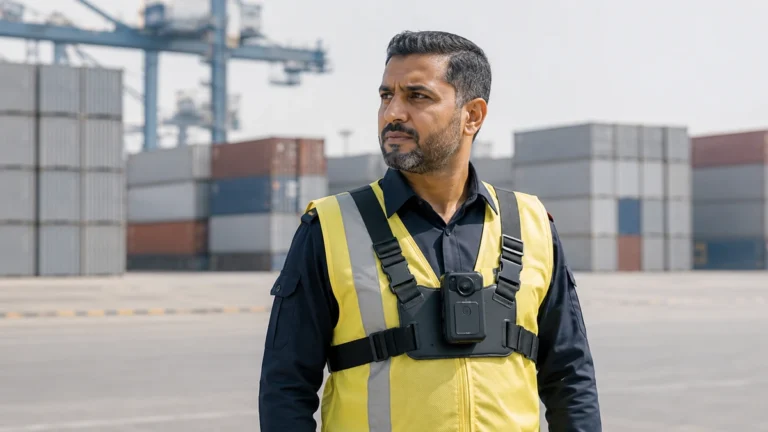
Anyone whose shift takes them out of the cab carries a camera, so the part of the job done on foot is recorded too.
Search by vehicle, date or driver. No trip to the depot to pull a card, and no guessing which unit was on which route.
The vehicle offloads at the depot and body cameras clear in the dock, so the next shift starts on a system that is empty and charged.
Three kinds of camera cover a transport operation. Most fleets end up using two of them.
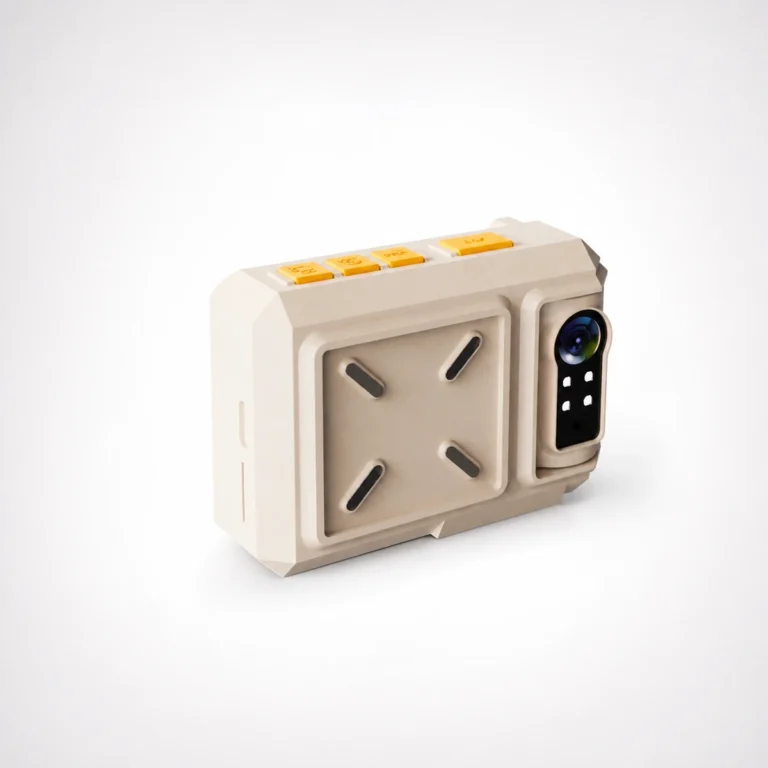
AFor a car, a taxi or a van, where there is one place to put a camera and it has to do the whole job.
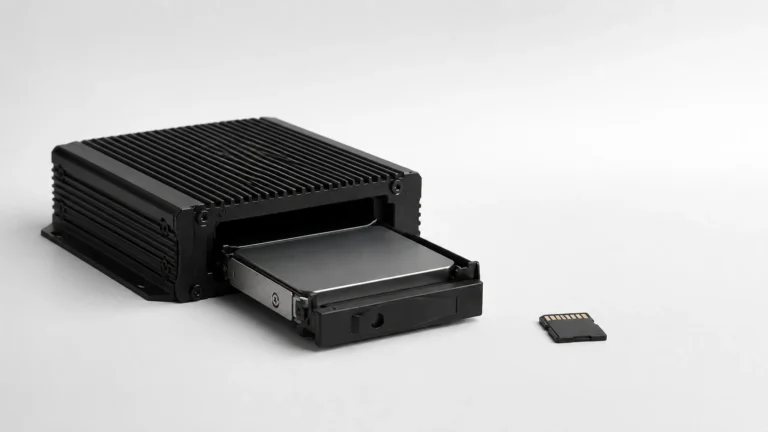
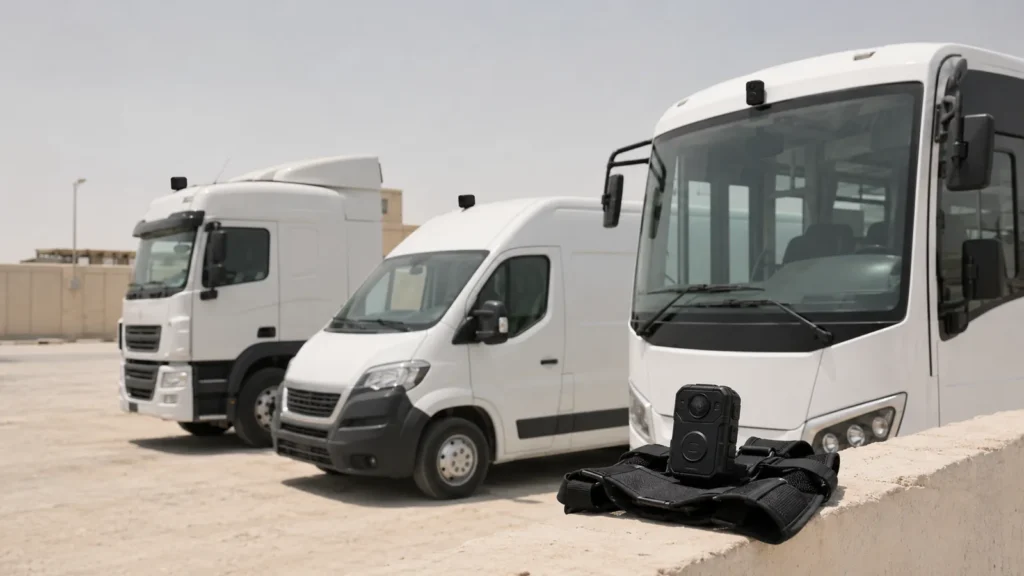
BFor a long vehicle. No single camera sees enough of a bus or a coupled trailer, so several run back to one recorder.
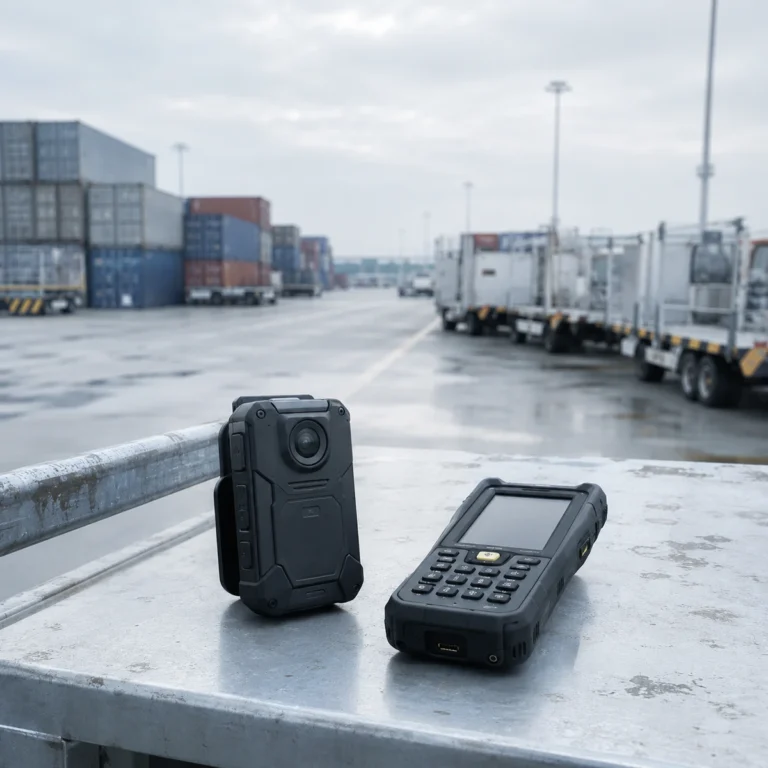
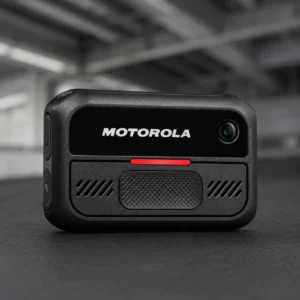
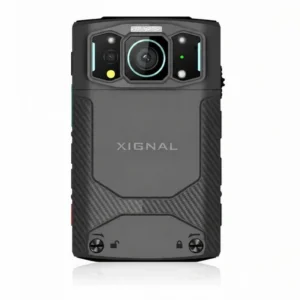
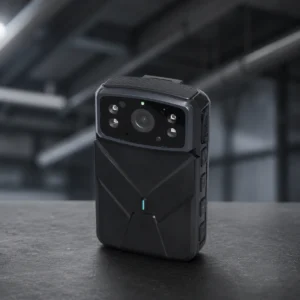
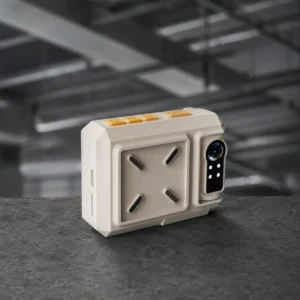
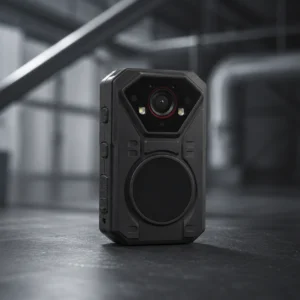
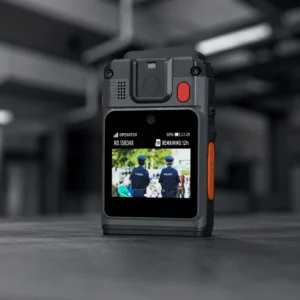
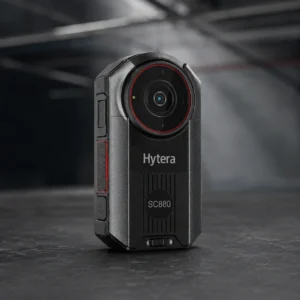
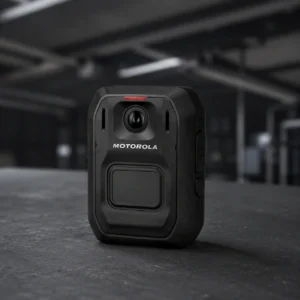
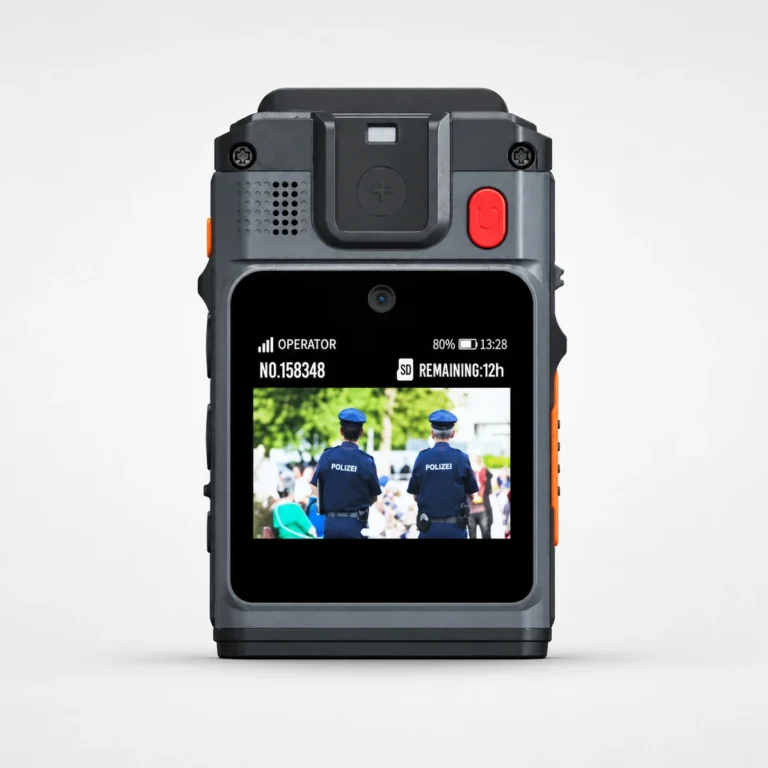
CFor inspectors, supervisors, yard crews and riders. The part of their shift that gets disputed happens on foot.
Whichever you choose, the footage lands on your own video infrastructure. Send us the vehicle list and we will size it with you.
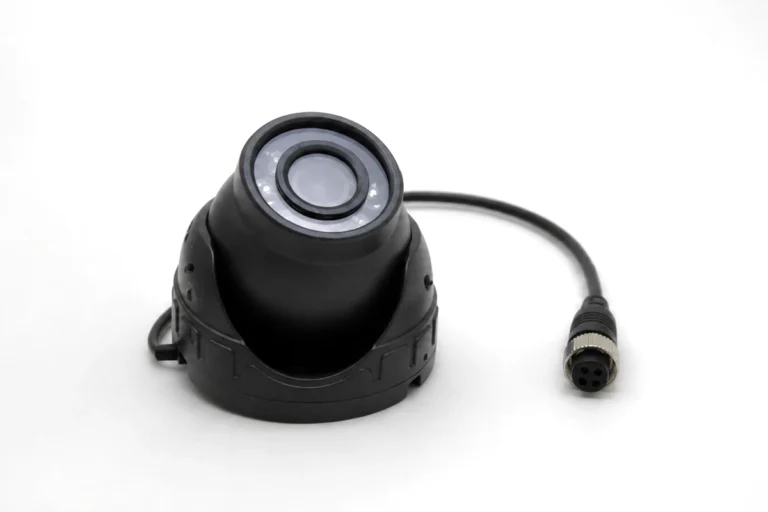
The parts that are the same whichever camera you choose.

Dome cameras inside, sealed cameras outside, a driver-facing unit and a cabin microphone where they are wanted. All of them run back to the recorder.
See the accessories
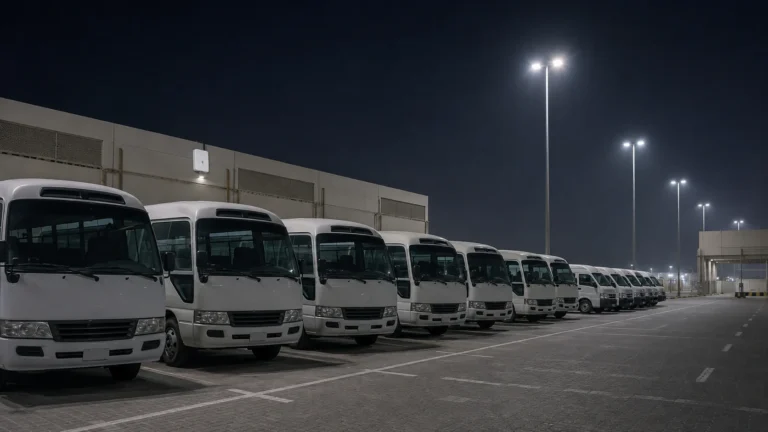
Where the night's recording leaves the vehicle. Over Wi-Fi as it pulls into the depot, or through a dock for the body cameras.
Video infrastructure
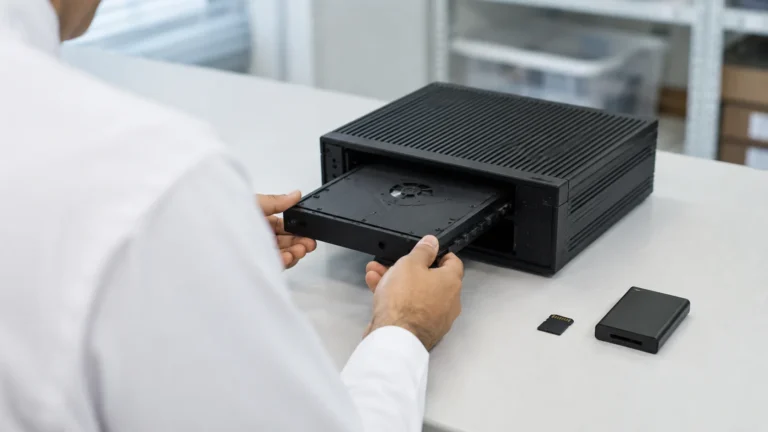
Vehicle and worn footage in one place. You set who can open, share or export a clip, and how long it is kept before the server deletes it.
Evidence managementVehicle recorders and body cameras feed the same server. See the catalogue.
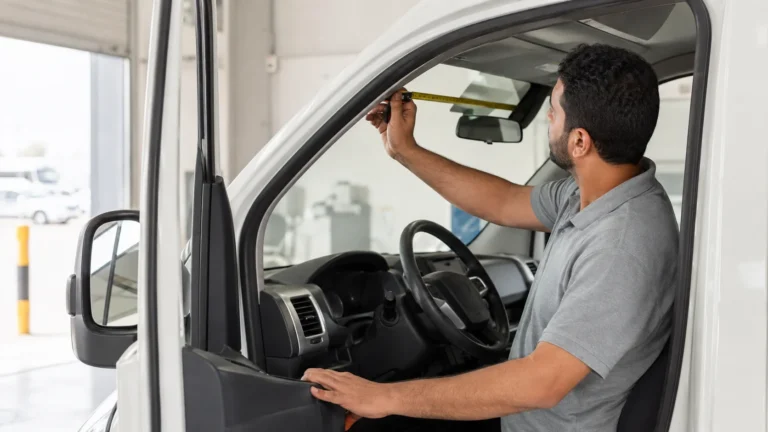
The part operators ask about first, because it takes vehicles off the road.

The first vehicle of each type is measured up: camera positions, cable routes and where the recorder will sit.
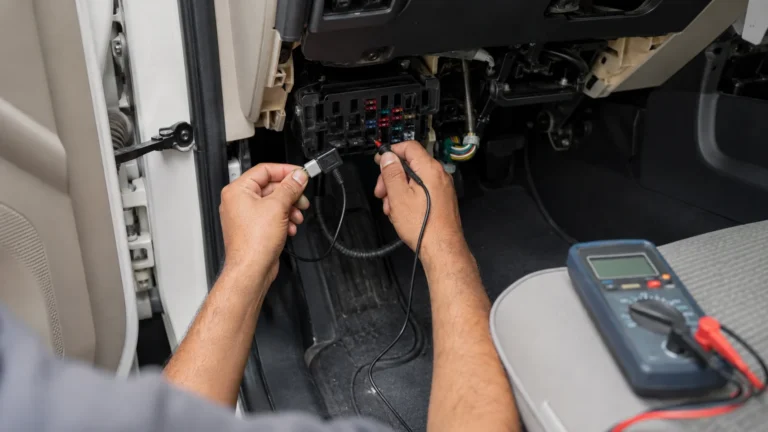
Wired into the vehicle with a low-voltage cut-off, so recording while parked cannot flatten the starter battery.
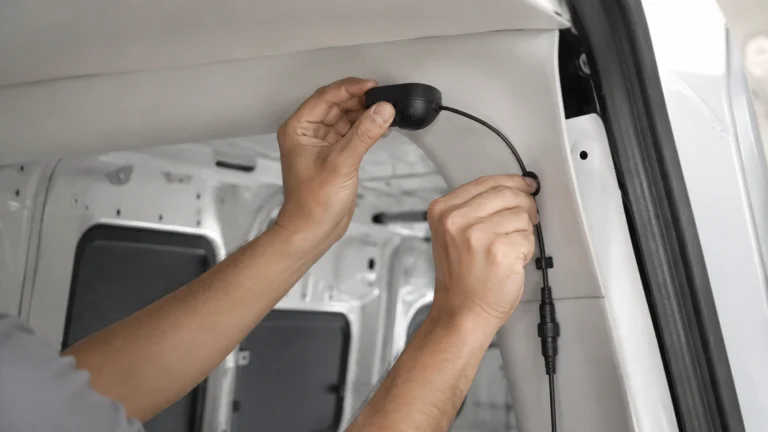
Cameras mounted and cables run out of sight. Heat-rated mounts and adhesives, because a windscreen in summer defeats general-purpose ones.
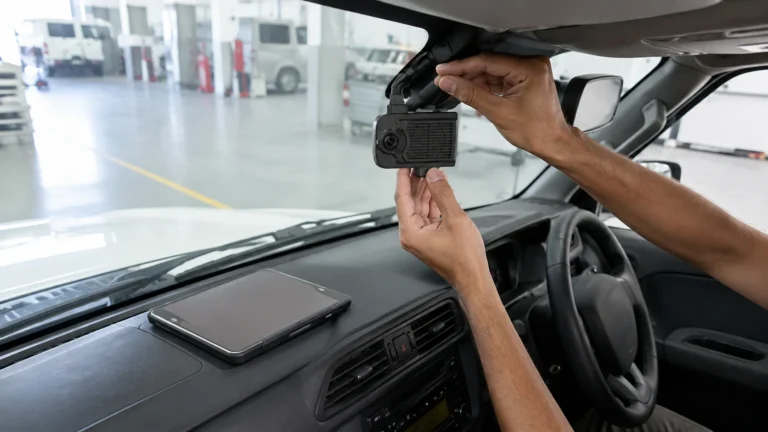
Angles set on the vehicle itself, driver alerts tuned to it, and the clock and position checked against the recording.
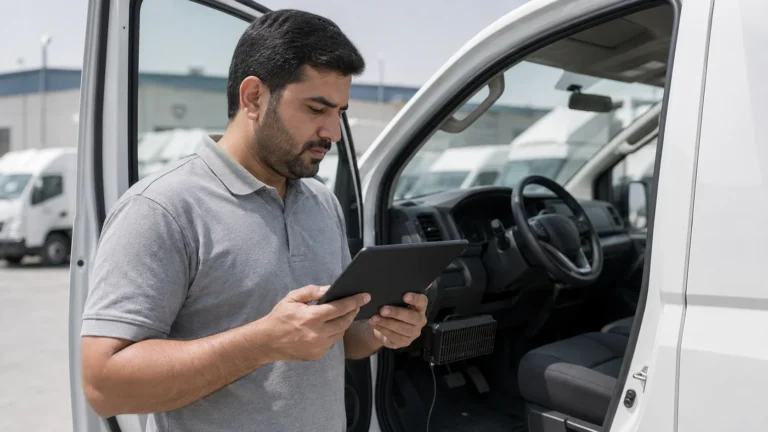
Every channel recorded and played back before the vehicle leaves, so a dead camera turns up before it goes back into service.
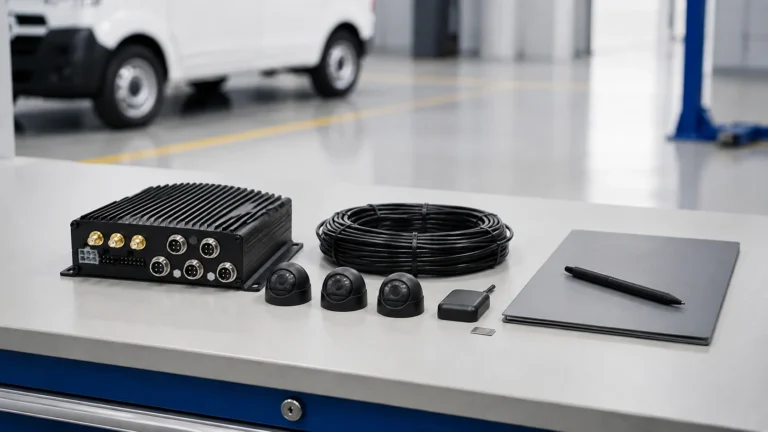
One vehicle a day once the first has set the pattern. Drivers are shown the event button and left alone with the rest.
Check the effect on your vehicle warranty with the dealer, since that varies by manufacturer.
The ones fleet operators ask most.
It depends on the operator and on any rule where the route runs. Count the doors first, then add the driver and the road ahead. That total decides the recorder.
Only where someone watches live. Otherwise the recording stays on the vehicle and moves in bulk at the depot, which removes a monthly line per vehicle.
In most places yes, with written notice to the driver before it goes in and a policy saying what it is for. Audio is the part that varies most, so leave it switched off by default.
Days to weeks, depending on how many cameras record and at what resolution. Anything longer belongs on the server, not on the vehicle.
Most do not. A driver who stays in the vehicle is already covered by it. The camera earns its place with the people who work on foot beside it.
Published operating ceilings across the vehicle range run from 60 to 70 degrees Celsius. Where vehicles park outdoors all day, specify against the top of that.
Short guides on the law, on choosing a camera, and on how footage gets off the device.
View All Resources

What the law asks of a recording, and what it does not.
Read the article
The questions to settle before you write a specification.
Read the guide

How footage should leave the camera, and what each route costs to run.
Read the guide

Where a camera is actually required, and where it is a client asking.
Read the articleWe will show you the whole chain: cameras in the vehicle, the offload at the depot, the server and the evidence software. Bring the vehicle list and the retention you work to, and we will put a specification against it.
Complete body-worn camera systems for government and enterprise operators across the UAE and GCC.
© 2026 BodyCamera.ae
Two ways to deploy. Browse below.


Tell us where the cameras will be deployed and we will arrange a demonstration with the right models for your sector.