Home  ›  Industries  ›  Police & Law Enforcement

Body Cameras for Police & Law Enforcement

Police body camera systems for UAE law enforcement, with secure recording, live streaming, docking and digital evidence management.

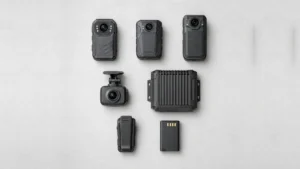
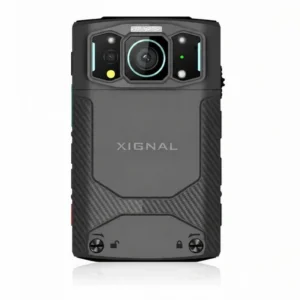
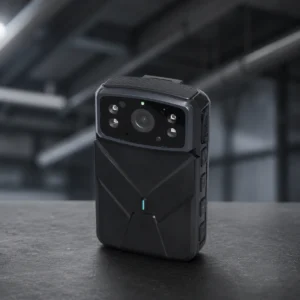
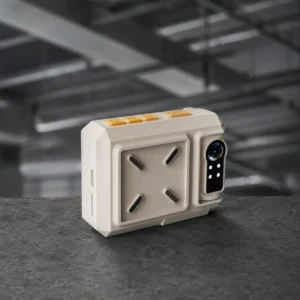
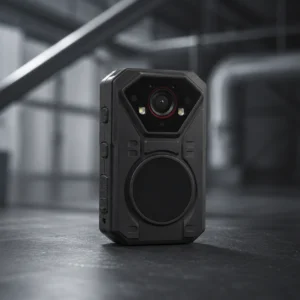
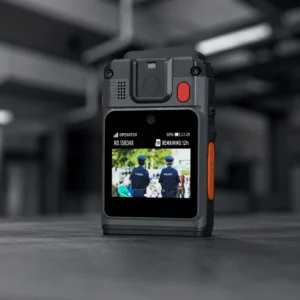
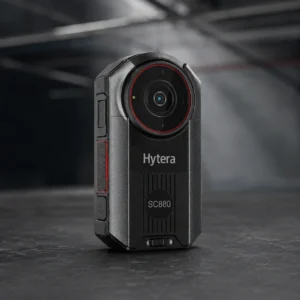
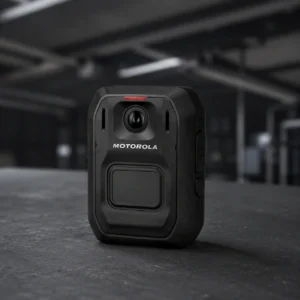
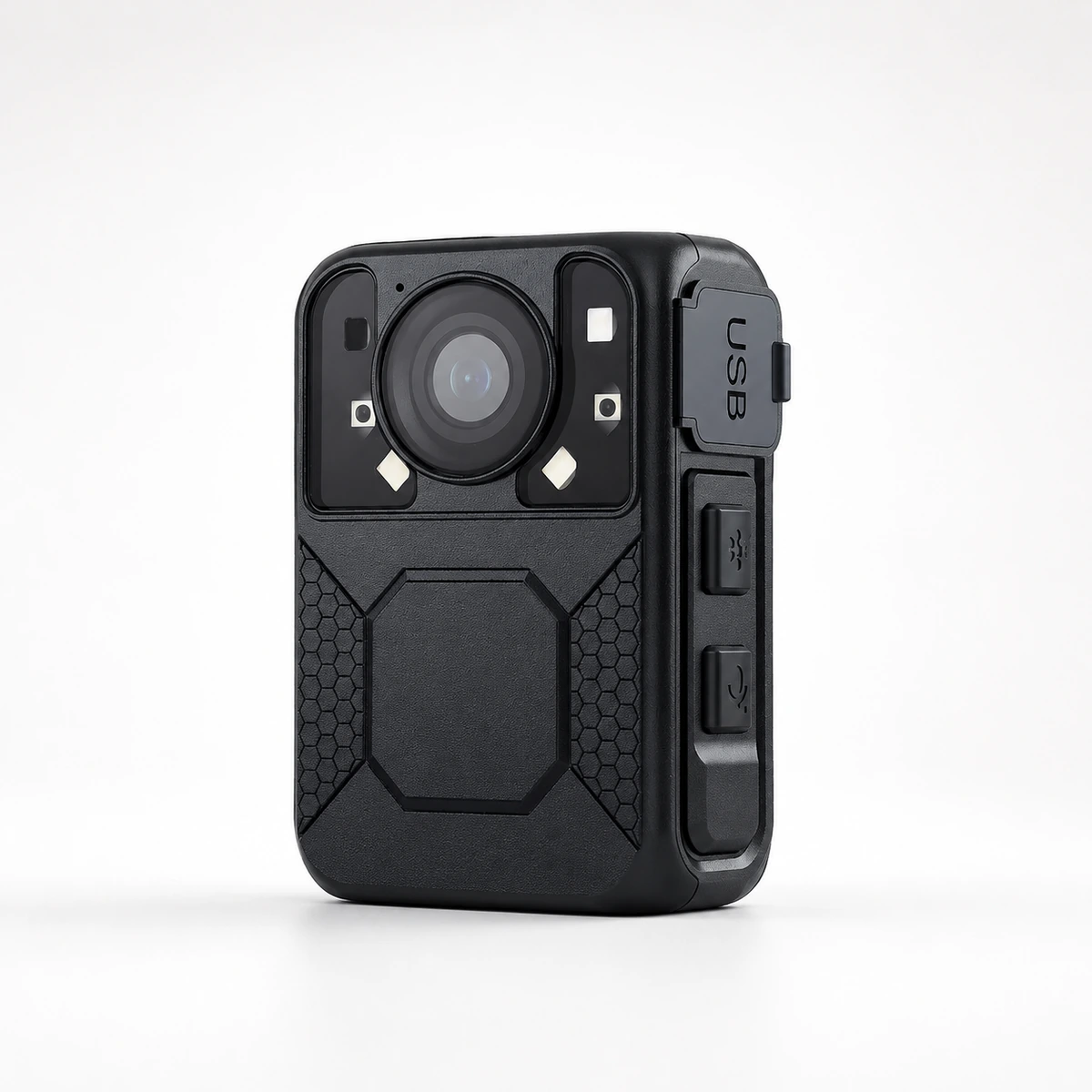
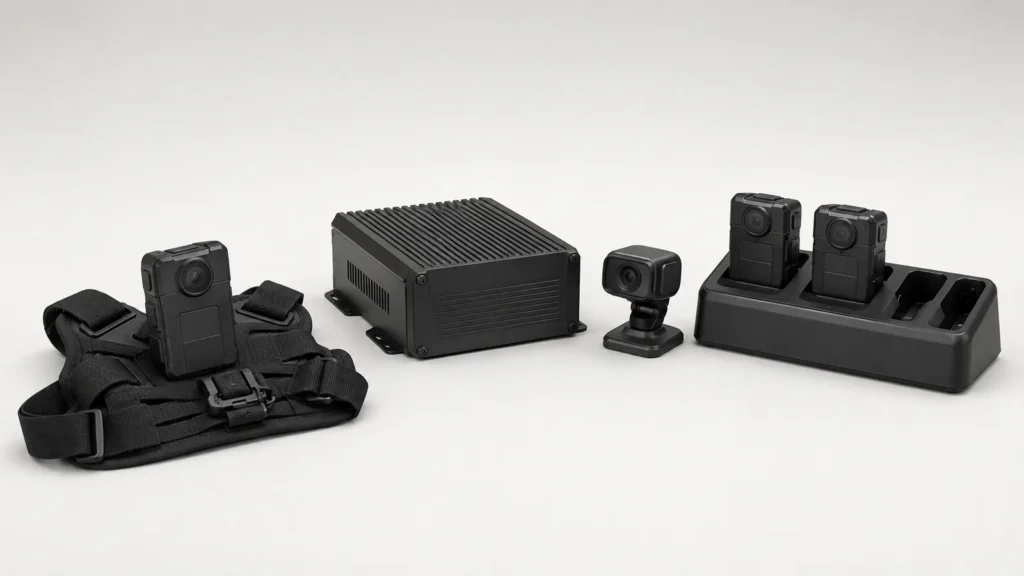
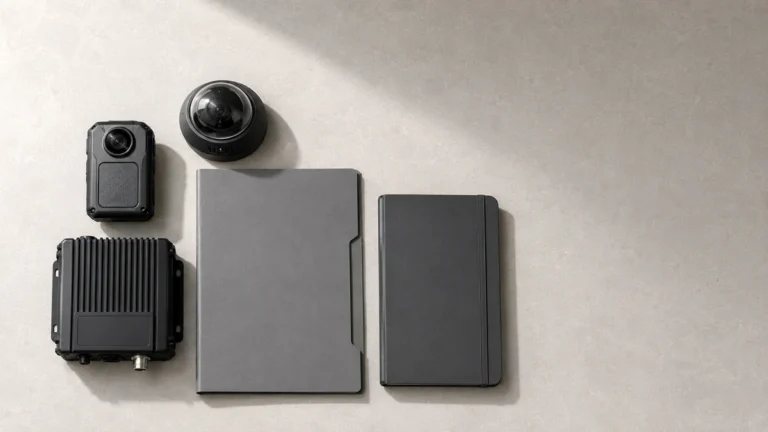
Body camera on a chest harness, an in-vehicle recorder, a compact camera and a multi-bay docking station side by side

Police Body Camera Solutions for Different Operations

From patrol and traffic enforcement to investigations and tactical operations, choose the camera setup that fits each assignment.

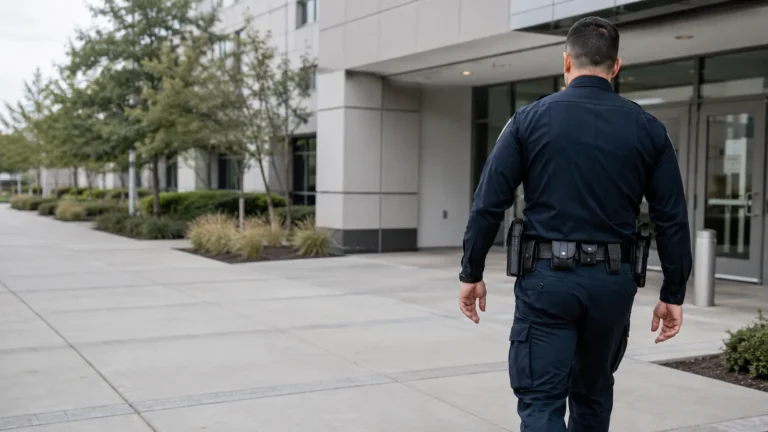
Police officer in uniform walking towards a building entrance on patrol
01

Police & Patrol Response

Body cameras for patrol officers to record calls, stops and public interactions throughout the shift, creating a reliable record of each incident.

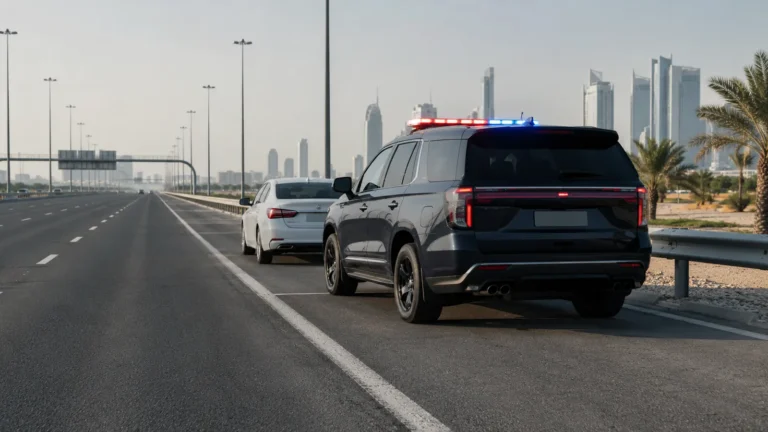
Marked police vehicle stopped behind a car on a highway shoulder
02

Traffic Enforcement & Road Policing

Record traffic stops, roadside interactions and vehicle inspections from the officer’s perspective, with video evidence available for later review.

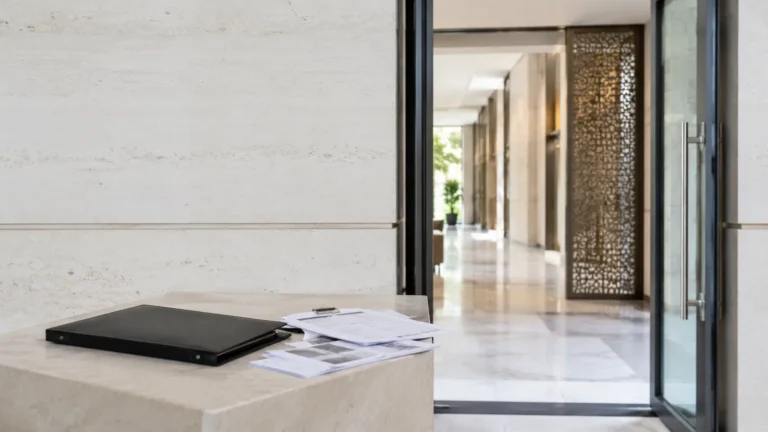
Case folder and statement papers on a ledge beside an open doorway
03

Police Investigations & Interviews

Capture interviews, statements, searches and evidence collection on video, creating a time-stamped record that can support investigations and case files.

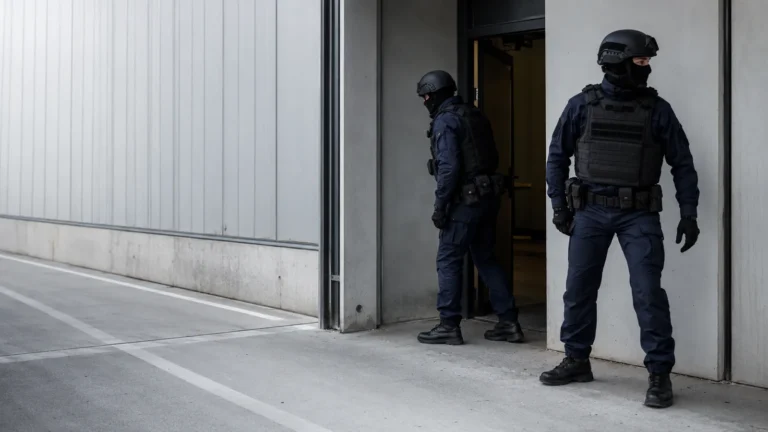
Two tactical officers in helmets and body armour positioned either side of a doorway
04

Tactical & Special Tactical Units

Body cameras for tactical teams operating in high-risk environments, with rugged designs, low-light recording and hands-free mounting options.

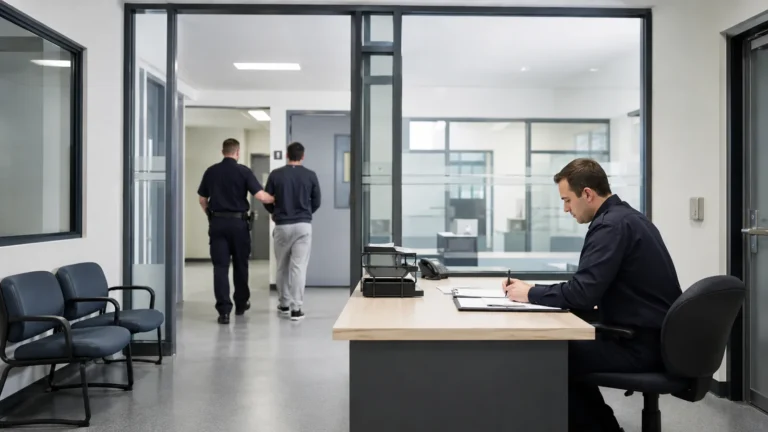
Officer at a custody booking desk while a detainee is escorted along the corridor behind
05

Police Custody & Detention

Record prisoner handling, searches, transfers and custody interactions to provide a clear and accountable video record throughout the process.

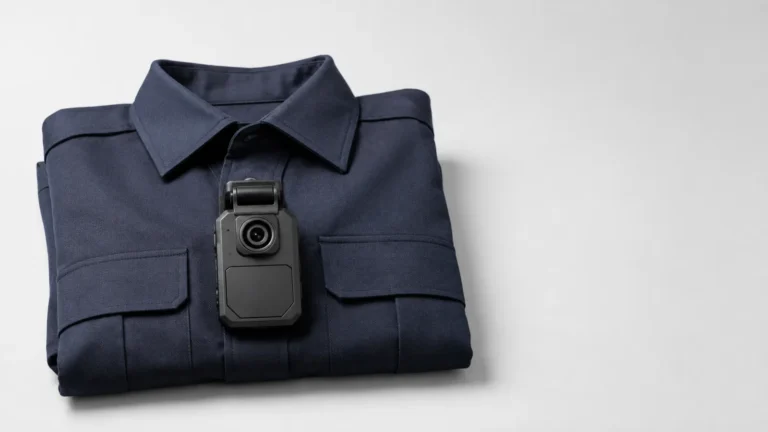
Body camera clipped to a folded navy police uniform shirt
06

Community Policing & Public Order

Capture public interactions, events and crowd-management operations from the officer’s viewpoint, providing context when incidents need to be reviewed later.

The benefits

Why Police Departments Use Body Cameras

Create reliable video evidence, improve accountability and give officers and supervisors a clearer record of every incident.

Answer complaints with video

A complaint about a stop is settled by the video, not by one person's word against another.

Evidence that stays intact

Footage goes straight from the camera to the server through the dock. No memory cards, and nobody handling files.

Find any clip fast

Search by officer, date or incident. No working out who signed for which camera months ago.

Every file has an owner

Cameras are signed out to a named officer at the start of the shift, so you always know who recorded what.

Watch it live

On models that stream, a supervisor can watch an incident as it happens, over 4G, 5G or Wi-Fi.

Ready for the next shift

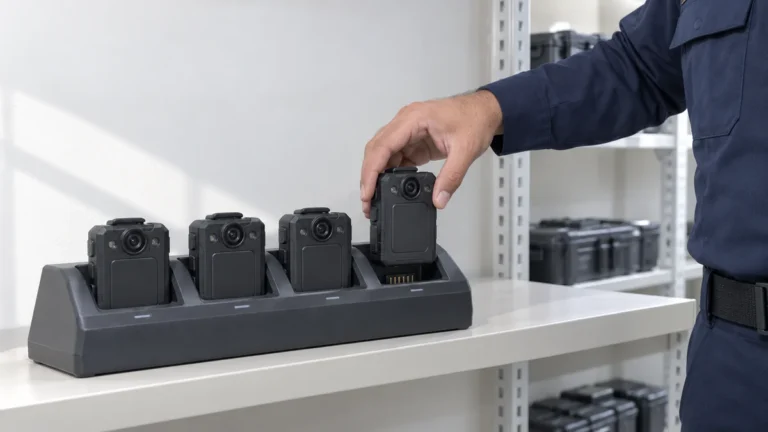
Cameras go into the dock when the shift ends. They charge and upload there, so the next shift picks up a working camera.

The options

Choose the right camera

Choose the option that fits how your teams work. Each one can be customised to suit.

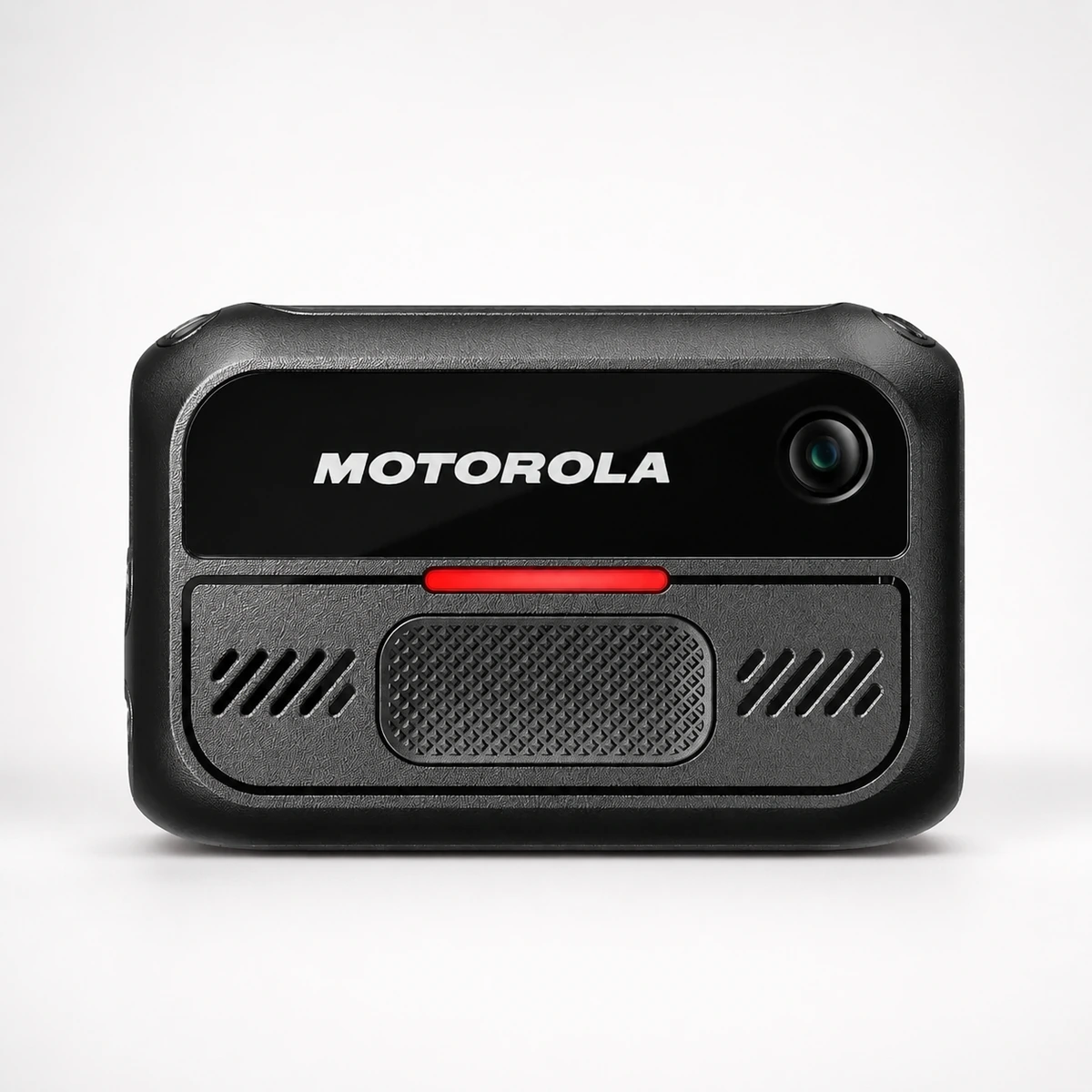
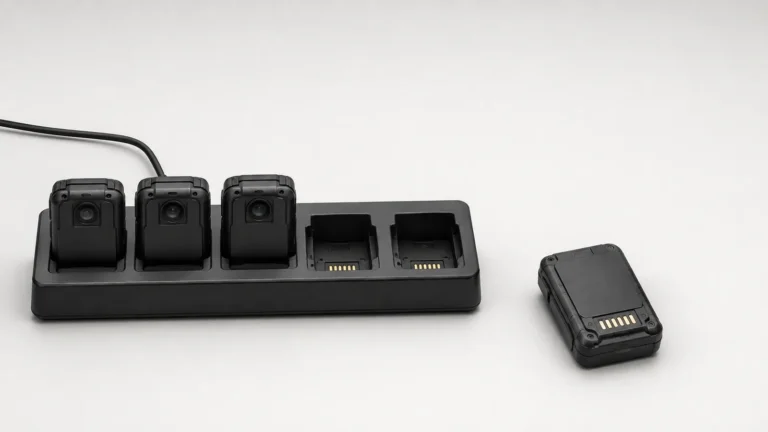
Body cameras seated in a charging dock with a spare battery beside itA

Offline Body Camera

For units that start and finish at the same station, where nobody needs to watch live.
  • No SIM and no monthly line per officer
  • Uploads through the dock or over station Wi-Fi
  • The lowest running cost
View offline cameras
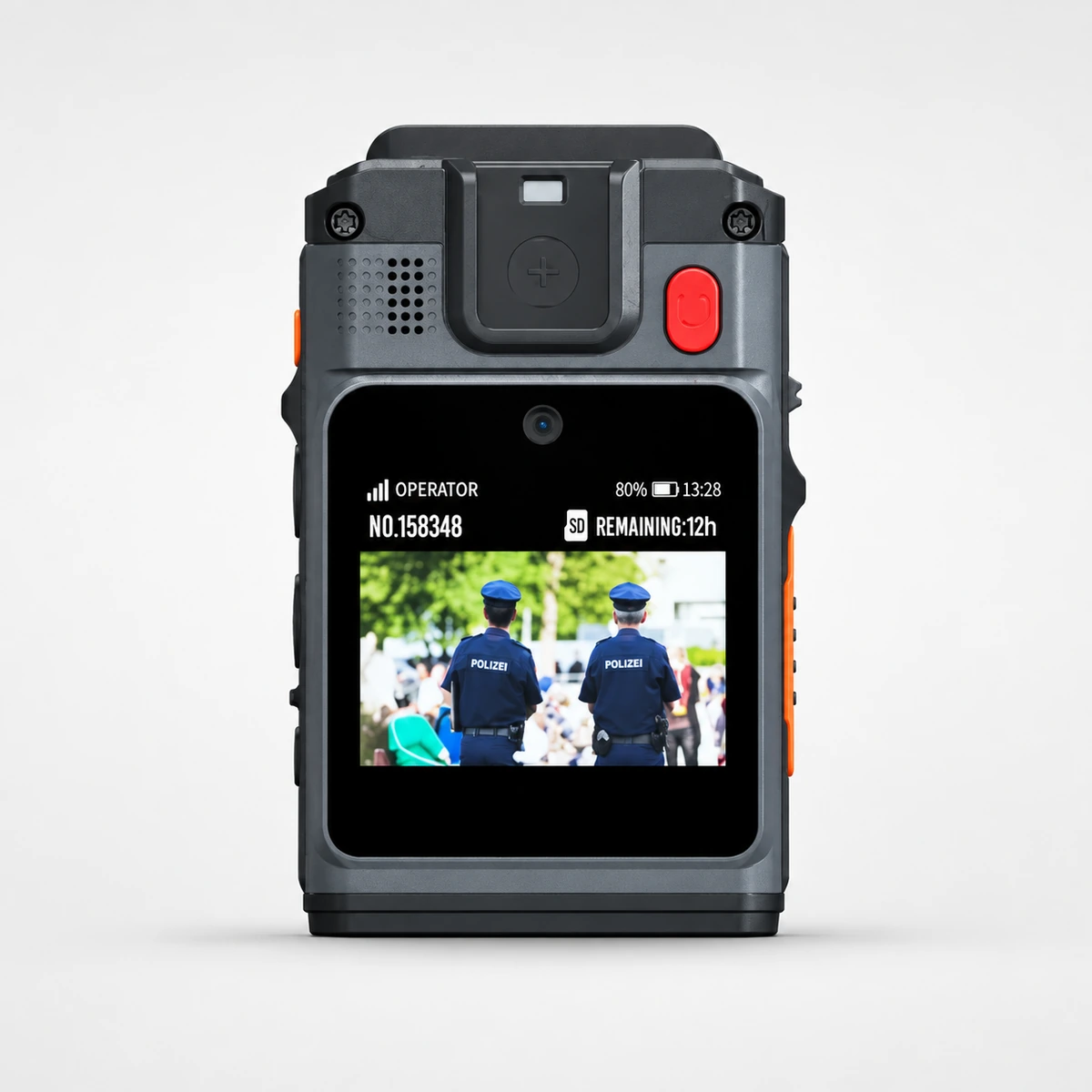
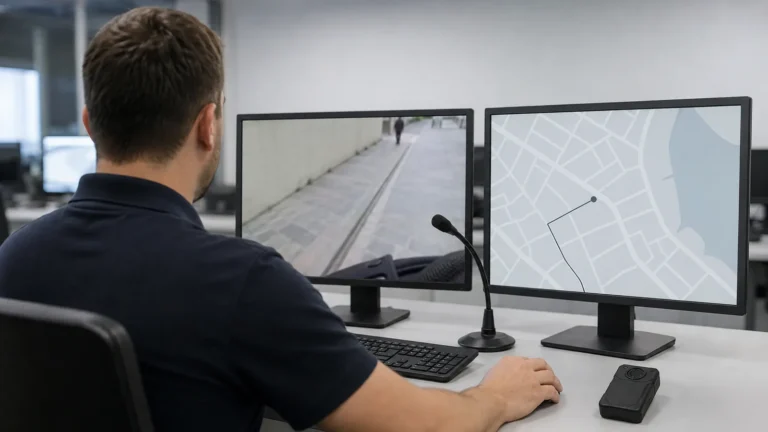
Control room operator watching a live body camera feed beside a map showing the officer positionB

4G / Live Streaming

For patrol and response, where a supervisor may need to see an incident as it happens.
  • Live video and position to the control room
  • Push to talk alongside the radio, on some models
  • One SIM per camera, so data becomes a running cost
View 4G cameras
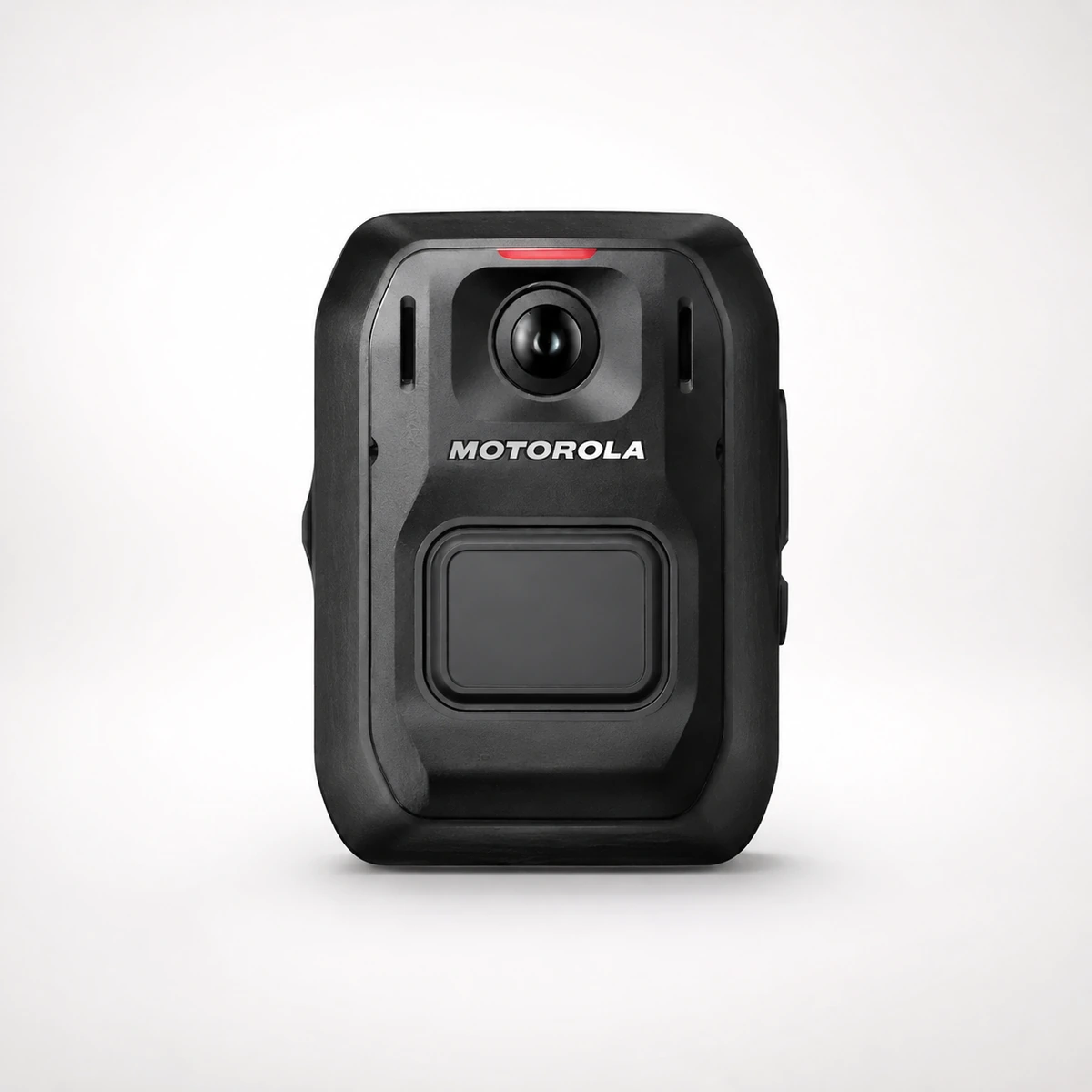
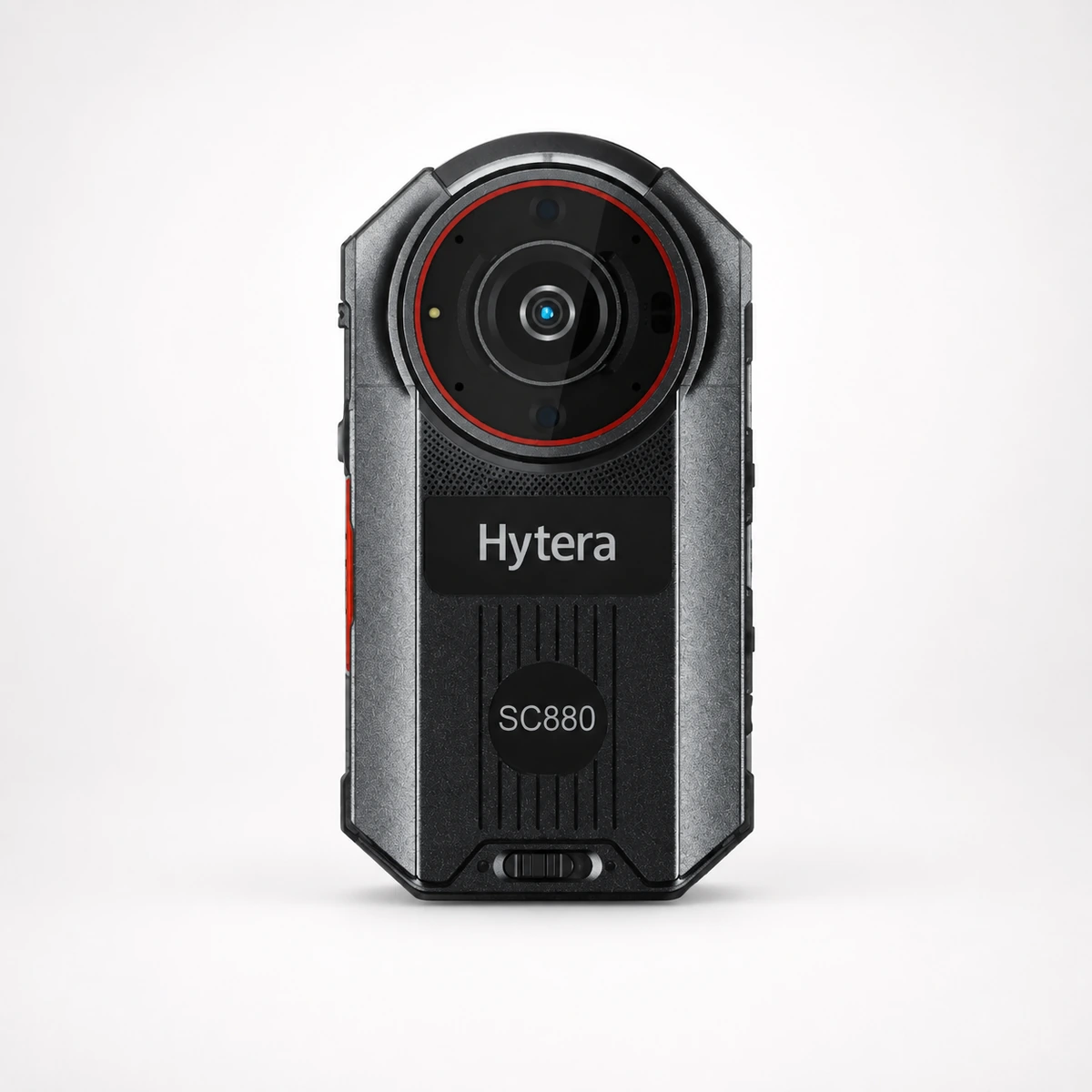
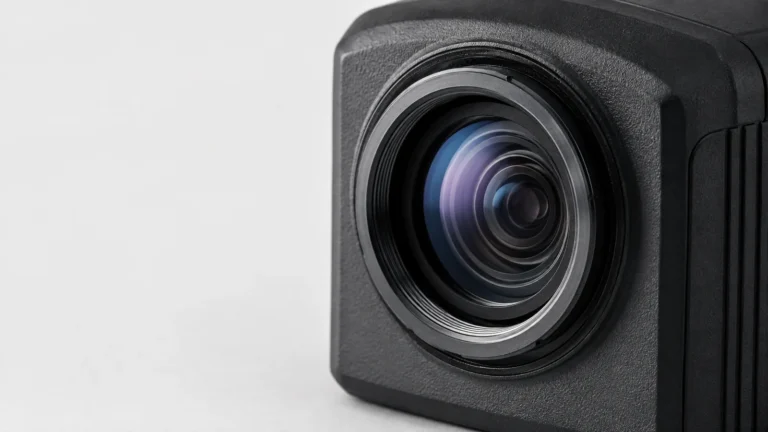
Close-up of the lens on a body-worn cameraC

5G / High Performance

For specialist work, and for footage that may be enlarged or challenged later.

  • 4K capture, so a close crop stays sharp
  • A live feed over 5G while the full recording waits for the dock
  • The highest storage cost per officer
View 5G cameras

Footage and evidence sit on your own video infrastructure. Contact us about your shift pattern and we will size it with you.

After the camera

What you need next

The rest of the system is the same whichever camera you choose.

01A body camera being returned to its docking station at the end of a shift

Docking station

Sized by how many cameras come off shift at once, not by headcount. Officers take a camera from the rack at handover and return it to the same rack.

How docking works
02Recordings being searched on the server that stores them

Video infrastructure

The server the footage lands on, in your own rack or a data centre you choose. Sized to your headcount and how long you keep recordings.

Video infrastructure
03Footage, notes and case details gathered into one evidence record

Evidence software

All footage in one place, whichever camera recorded it. You set who can open, share or export a clip, and how long it is kept before the server deletes it.

Evidence management

Vehicle cameras feed the same server and the same software. See vehicle cameras.

After the order

How a deployment runs

From first enquiry to a fleet in service, and who does what at each stage.

01

You send the requirement

The shift pattern, the environment, the fleet size and who has to accept the footage. A tender document works, and so does a rough description.

02

We come back with a configuration

In writing, against your requirement, with the reasoning. Where two options are genuinely equivalent we say so.

03

Demonstration and pilot

Hardware in your hands on your own site, in the conditions it has to survive. The actual mounting point tells you more than a datasheet.

04

Deployment and aftercare

Configuration, docking and storage set up, officer training on the handling rules, then maintenance and spares for the life of the fleet.

Common questions

The ones we get asked most.

Which body cameras do police forces use?

It depends on whether anyone needs to watch live. Offline or Wi-Fi cameras where footage is reviewed after the shift, 4G or 5G where a control room watches incidents. Mixed fleets are normal.

How long does a police body camera record for?

Between 9 and 12 hours on one charge, and 13 hours on the helmet unit, which carries a second battery. Storage runs from 16 GB to 256 GB depending on the model.

What does a police body camera deployment cost?

Four things drive it: officers on shift at once, whether the cameras carry SIMs, recording resolution, and how long you keep the footage. Send us your shift pattern and retention rule and we will quote.

Do officers have to tell people they are being recorded?

In most places that publish a rule, yes, and it is standard practice everywhere else. The camera is worn in clear sight, people are told, and recording is limited in private settings.

Can footage be copied to an officer's phone or laptop?

Not where an evidence policy bans it, which is the normal position. Order a camera with no memory card slot and no USB drive mode, so the dock is the only way off it.

Do we need live streaming, or is offline enough?

Offline is often the right choice: no SIM means no monthly data line per officer. Live streaming earns its cost where a supervisor makes decisions while an incident is running. Both end up on the same server.

See it working before you buy

We will show you the whole system: cameras, docking, server and software. Tell us your headcount and shift pattern and we will recommend the right models.

Body Camera Models

Two ways to deploy. Browse below.

Request a Demonstration

Tell us where the cameras will be deployed and we will arrange a demonstration with the right models for your sector.

Connect on WhatsApp