Home  ›  Industries  ›  Emergency Services

Body Cameras for Fire, Ambulance & Rescue

Cameras worn by crews, inspectors and incident commanders, the docking that gets footage off them, and the software that keeps it usable afterwards.

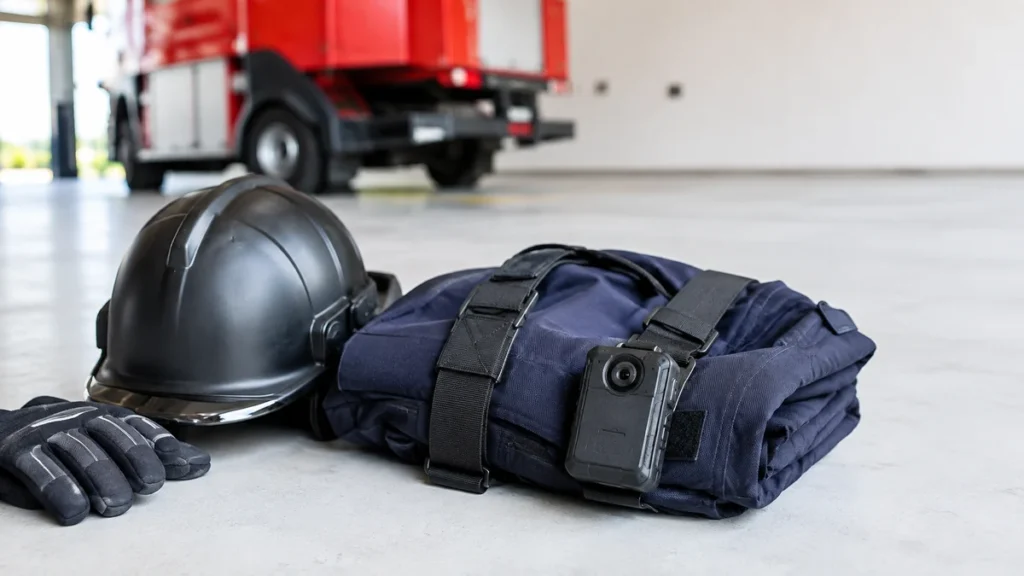
Body camera strapped to a folded fire crew jacket beside a helmet and gloves in an appliance bay
By service

Different crews, different needs

What each part of the service needs the camera to do.

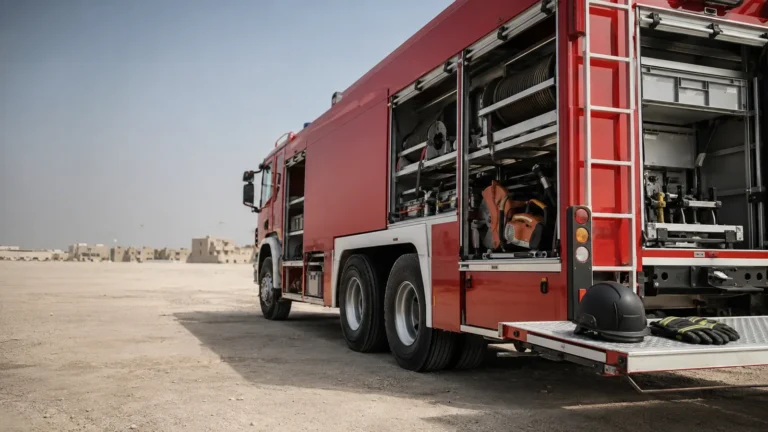
Fire appliance with its equipment lockers open at an incident ground
01

Fire & Rescue Crews

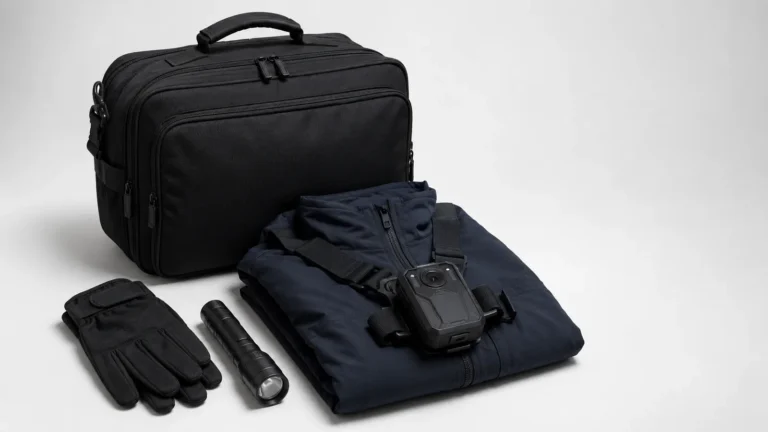
Road collisions, height and water rescue, lift releases and standby duties. The camera goes on the crew member working in the open and stays with them for the call.

Body camera on a chest harness with a folded crew jacket, gloves, torch and response bag
02

Ambulance & EMS Crews

Most of a duty needs no recording at all. The calls that do are the ones that become an assault, a complaint about care, or a court date months later.

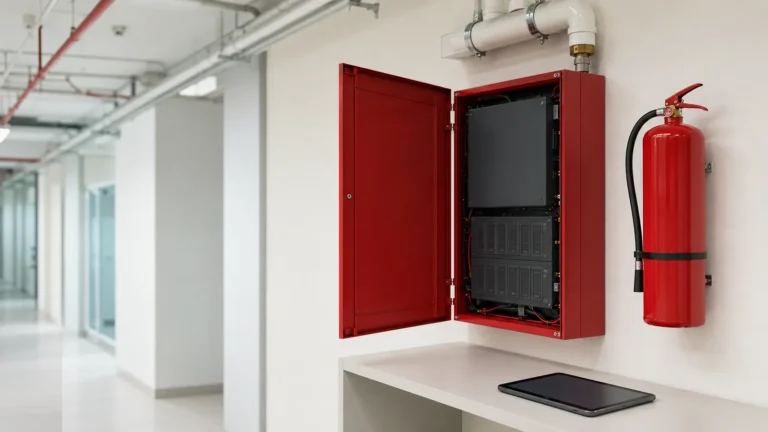
Hose reel cabinet and extinguisher on an inspection round, with a tablet on the ledge
03

Fire Safety Inspection & Enforcement

An inspector records the visit, the notice and the conversation that follows it. Where the visit carries enforcement powers, that recording becomes evidence.

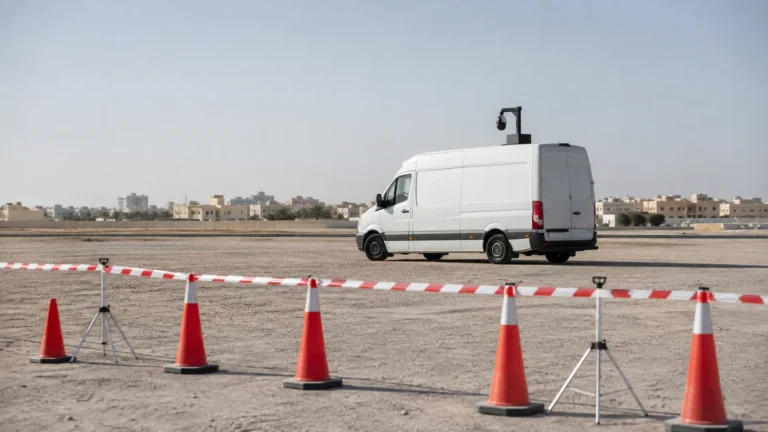
Incident command vehicle with a mast behind a taped cordon and traffic cones
04

Incident Command & Scene Control

The officer holding the cordon can show the operations room the scene instead of describing it over the radio.

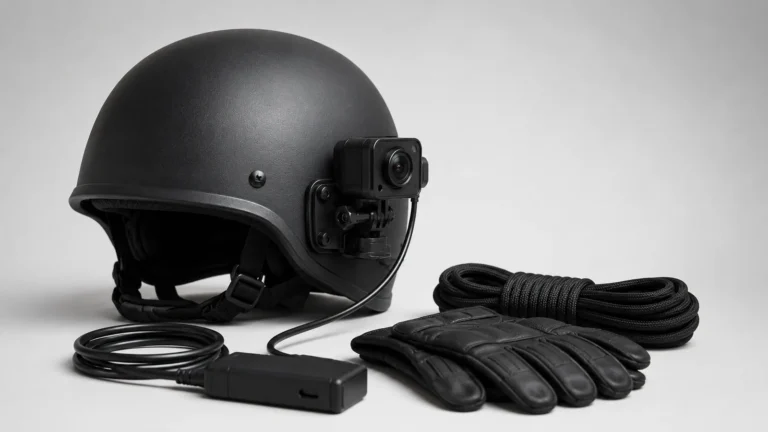
Rescue helmet with a camera head and tethered battery unit beside a rope coil and gloves
05

Search & Rescue

Collapsed structures, water, height, and deployments a long way from home. A helmet mount keeps both hands free, and the debrief afterwards is built on what it recorded.

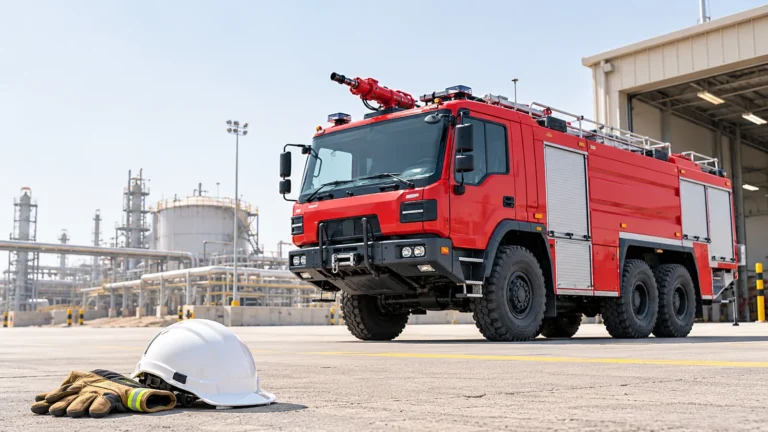
Industrial fire appliance at a plant with a hard hat and gloves in the foreground
06

Industrial, Airport & Site Fire Teams

In-house crews at refineries, plants, ports and airfields answer to a site operator, and usually to a client’s safety rules as well.

The benefits

What changes once crews are recording

What the footage is actually used for after the call.

Assaults on crews are documented

An assault on a crew is on video, not reconstructed from memory weeks after anyone asks.

Complaints about care are settled

A complaint about treatment goes straight to the recording of that call, and most of them close there.

Inspections are on the record

The visit, the notice and the conversation that followed are all on file, so an enforcement decision can be shown to whoever questions it.

The operations room sees the scene

On models that stream, the room watches the incident develop over 4G or 5G and commits the right resources sooner.

Debriefs built on real footage

Video of an actual incident is the most honest material a debrief can use. Nothing staged, and nothing remembered wrong.

Ready for the next watch

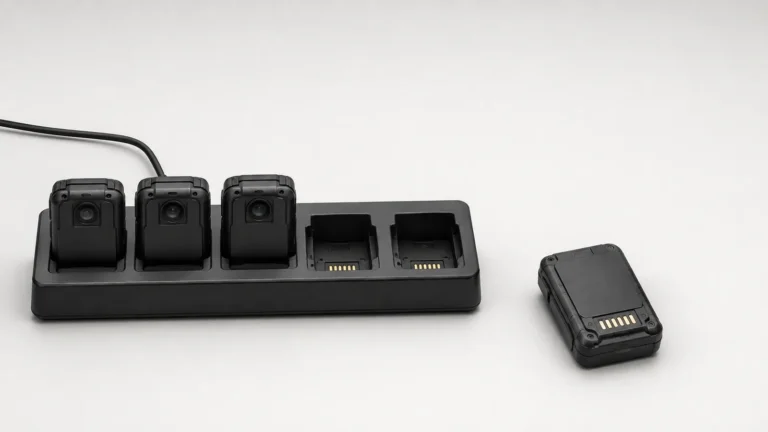
The dock charges a camera and empties it in one action, so a watch coming on duty never picks up yesterday's footage.

The options

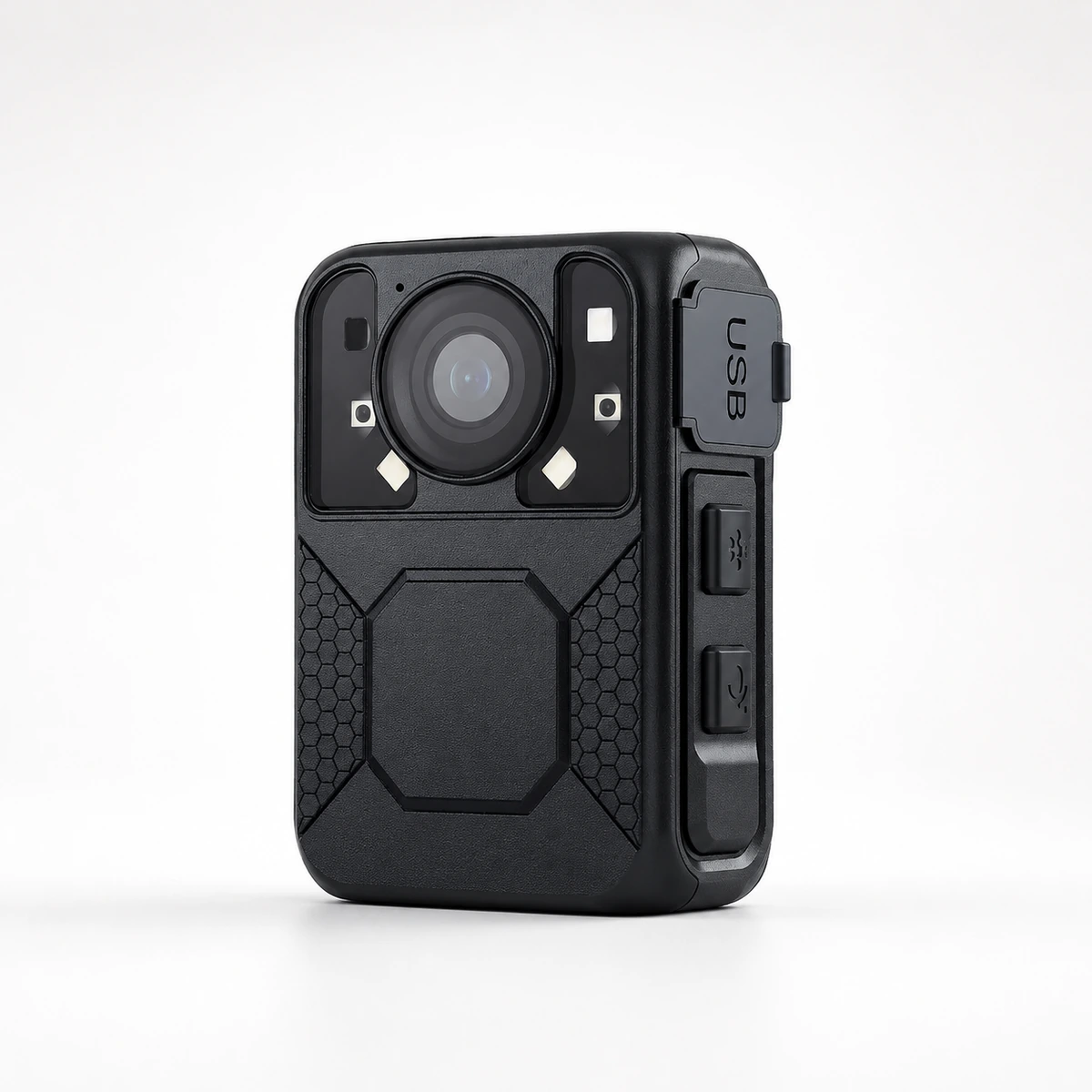
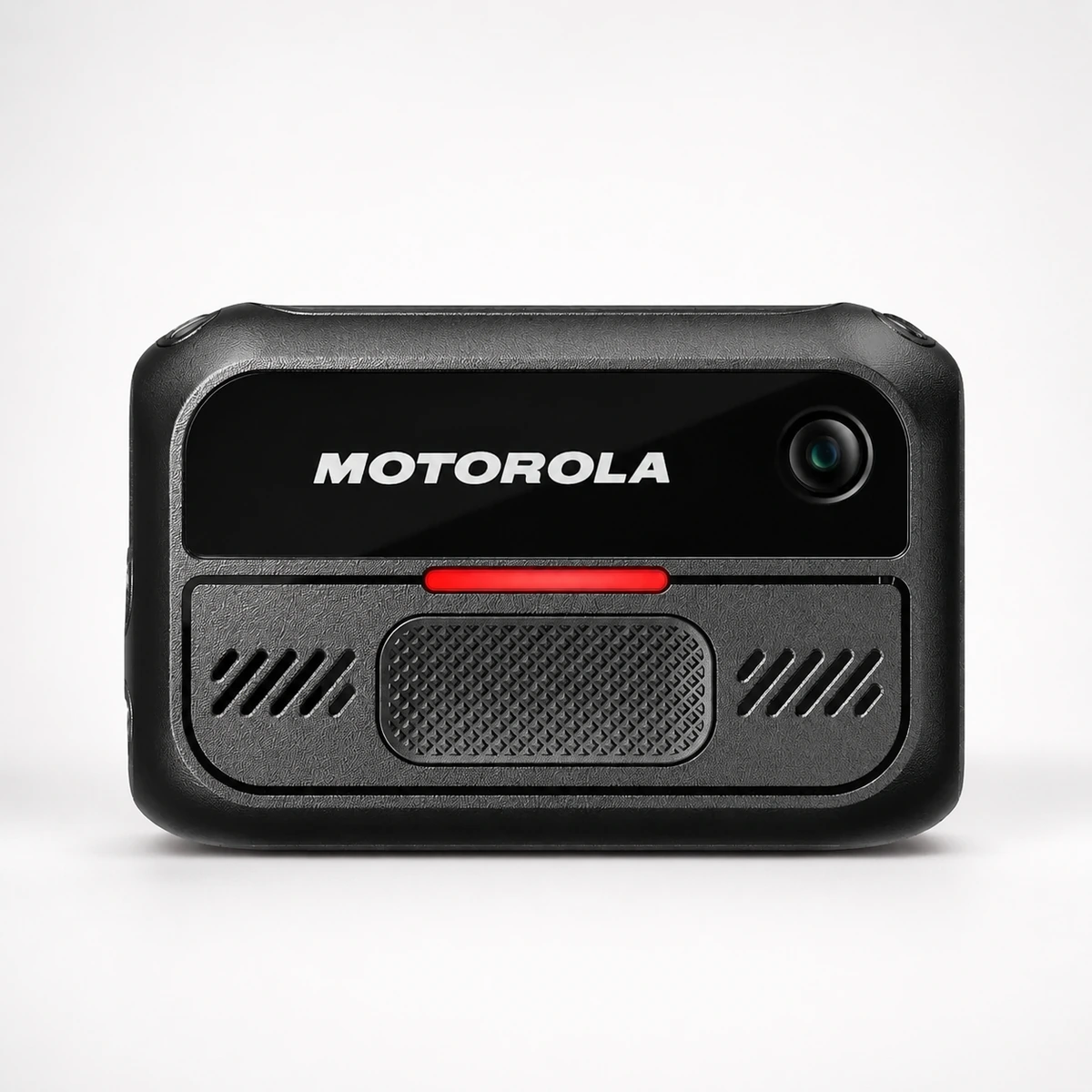
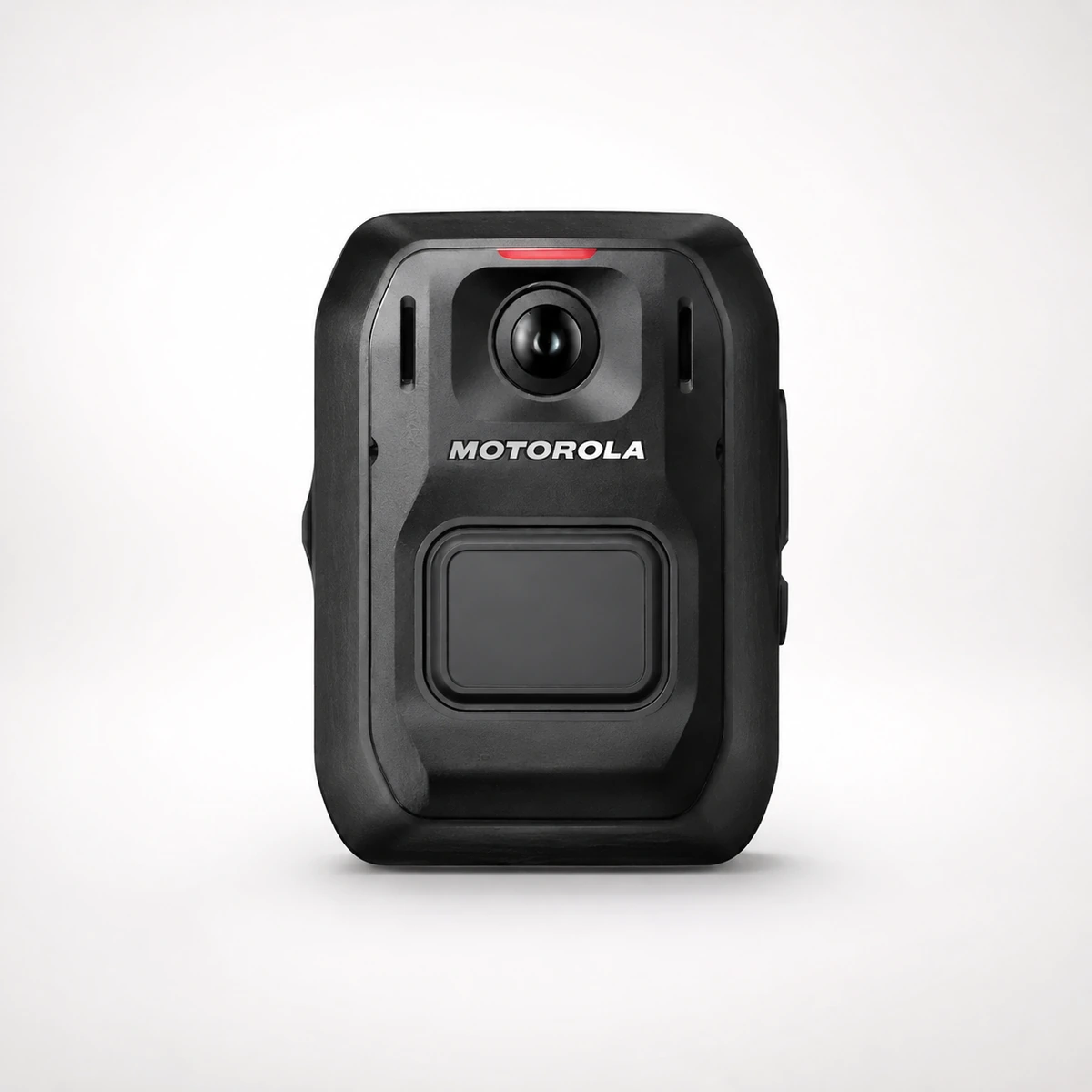
Choose the right camera

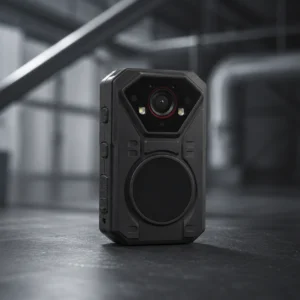
Three ways to run a fleet. Each one can be configured to suit.

Body cameras seated in a charging dock with a spare battery beside itA

Offline Body Camera

For station-based crews who start and finish at the same appliance bay, where nobody needs to watch the call live.
  • No SIM and no monthly line per camera
  • Uploads through the dock or over station Wi-Fi
  • The lowest running cost
View offline cameras
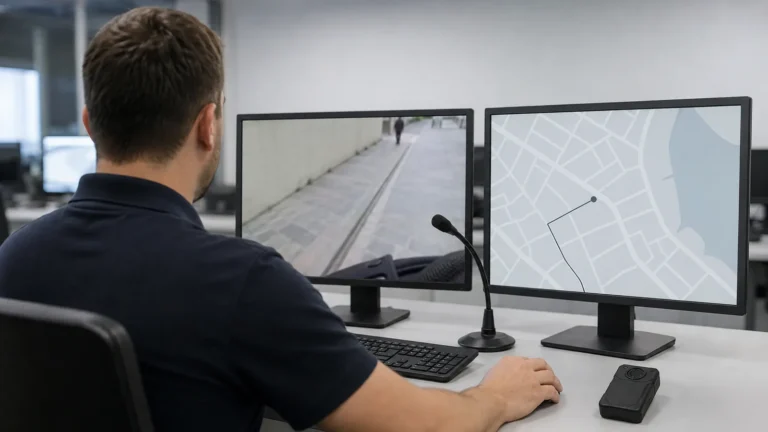
Control room operator watching a live camera feed beside a map showing the crew positionB

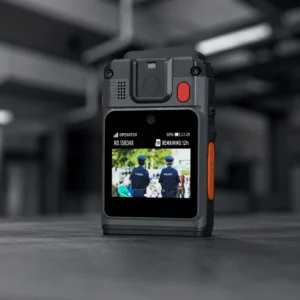
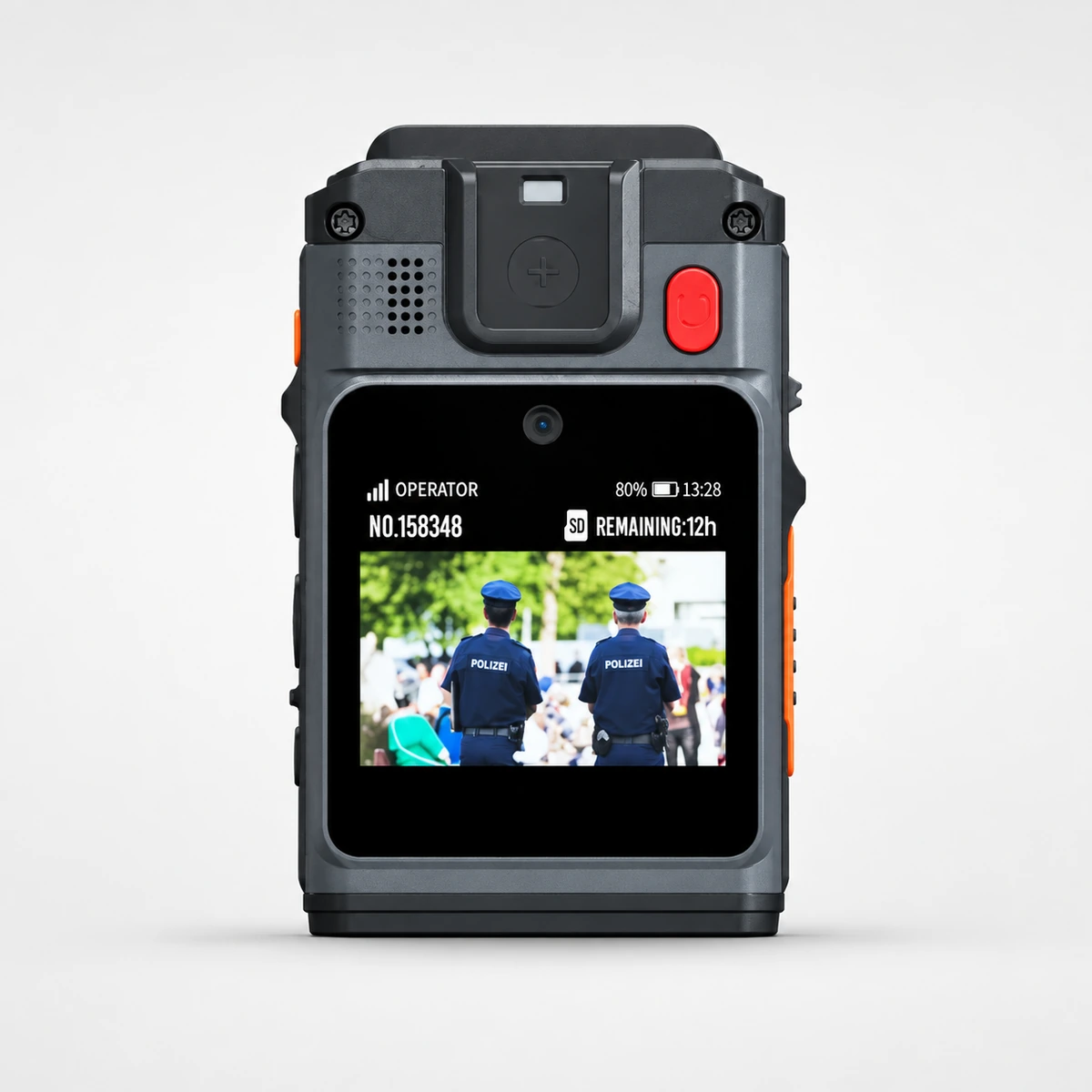
4G Live to the Operations Room

For incident command, and for any service whose operations room commits resources while a call is still running.
  • Live video and position to the operations room
  • Two-way audio on part of the range, so the room can talk to the wearer
  • One SIM per camera, so data becomes a running cost
View 4G cameras
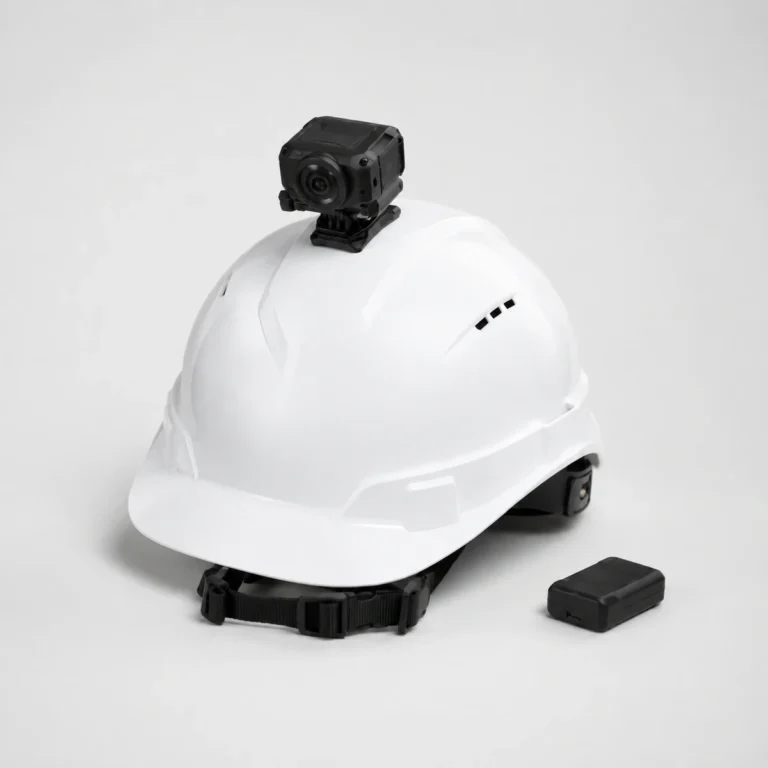
A rescue helmet with a body camera mounted on top of itC

Helmet Mounted

For rescue work where the sightline is the shot and both hands are on the casualty or the tool.

  • Camera head on the helmet, battery unit on the belt
  • Up to 1440p, and 13 hours or more on the second cell
  • A helmet mount is available for the chest-worn models too
View helmet cameras

Footage and evidence sit on your own video infrastructure. Tell us your crewing pattern and we will size it with you.
After the camera

What you need next

The rest of the system is the same whichever camera you choose.

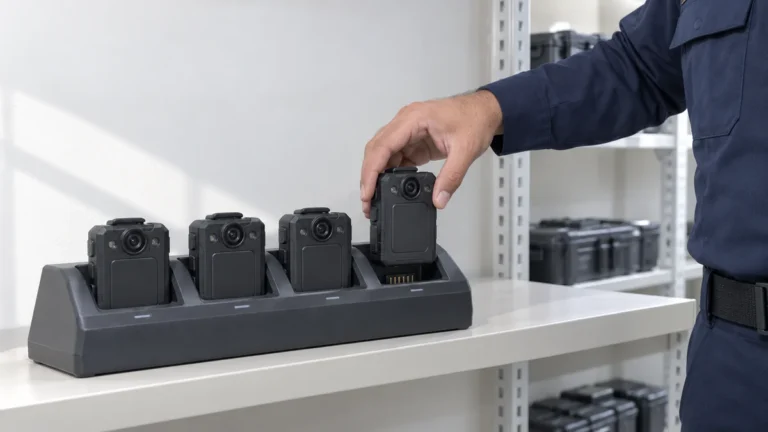
01A body camera being returned to its docking station at the end of a duty

Docking station

Sized by how many cameras come back at changeover, not by how many names are on the roster. A watch takes cameras off the rack and returns them to it.

How docking works
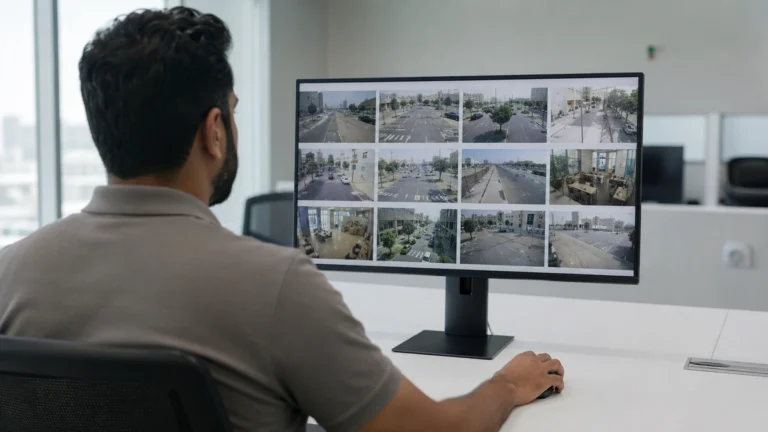
02Recordings being searched on the server that stores them

Video infrastructure

The server the footage lands on, in your own rack or a data centre you choose. Sized to your crew numbers and how long you keep recordings.

Video infrastructure
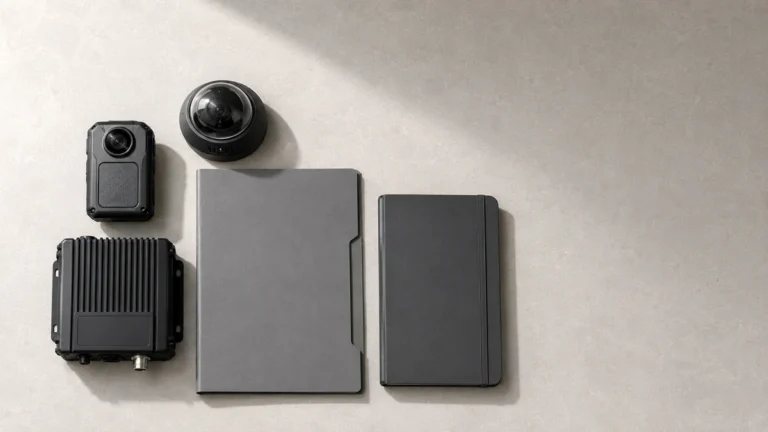
03Footage, notes and incident details gathered into one record

Evidence software

All footage in one place, whichever camera recorded it. You set who can open, share or export a clip, and how long it is kept before the server deletes it.

Evidence management

Cameras on the appliance and in the ambulance feed the same server and the same software. See vehicle cameras.

The limits

What these cameras are not for

Four jobs that need equipment we do not sell. Better said now than after an order.

01

Inside a burning building

The cameras we supply are rated to +60 °C. A compartment fire runs far past that. Interior attack needs a purpose-built heat-resistant unit.

02

Seeing through smoke

A body camera records what the eye sees. Finding a casualty in smoke is a thermal imaging camera's job, and that is not a product we supply.

03

Breathing apparatus masks

The helmet mount fits a duty or rescue helmet. It is not a mount for a BA mask, or for a structural fire helmet with a visor and neck flap.

04

A clinical record

Footage records the encounter. It is not an observation, it does not belong in patient notes on its own, and it carries storage duties a written note does not.

Common questions

The ones we get asked most.

Do firefighters wear body cameras?

In a growing number of services, yes. They are used on safety inspections, at incident command and for investigation afterwards, rather than inside a fire.

Do paramedics wear body cameras?

Ambulance services are usually the first to adopt them, mainly to document assaults on crews and to settle complaints about care.

Can a body camera be worn inside a burning building?

No. The range we supply is rated to +60 degrees Celsius and a compartment fire runs far past it. Interior attack needs purpose-built equipment we do not sell.

How long does a camera last on a duty?

Between 9 and 13 hours of recording on one charge, depending on the model. The helmet unit reaches the top of that range on its second cell.

Where does ambulance footage have to be stored?

In the country it was recorded in, on the safe reading. Every deployment we build puts the server on your own hardware or on hosting inside your country.

Do we need live streaming, or is offline enough?

Live earns its cost where the operations room acts while a call is running. Offline removes a monthly data line per camera. Both end up on the same server.

See it working before you buy

We will show you the whole system: cameras, docking, server and software. Tell us your crewing pattern and your retention rule, and we will put models against them.

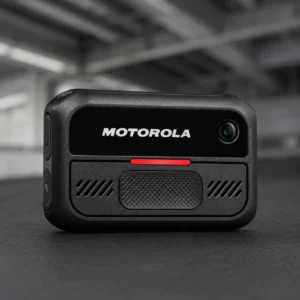
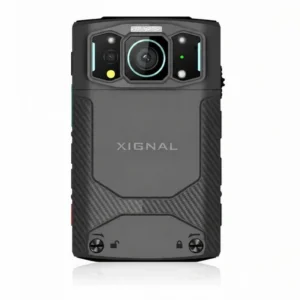
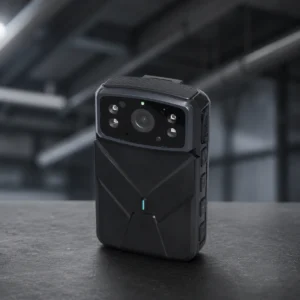
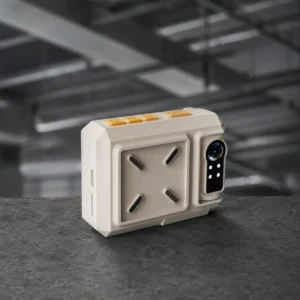
Body Camera Models

Two ways to deploy. Browse below.

Request a Demonstration

Tell us where the cameras will be deployed and we will arrange a demonstration with the right models for your sector.

Connect on WhatsApp