Home  ›  Industries  Construction, Utilities & Industrial

Body Cameras for Construction, Utilities and Industrial Sites

On a site, what you need to prove is usually behind a wall, under a slab or back in the ground by the time anyone asks. A camera on the person doing the work records it while it is still there to see.

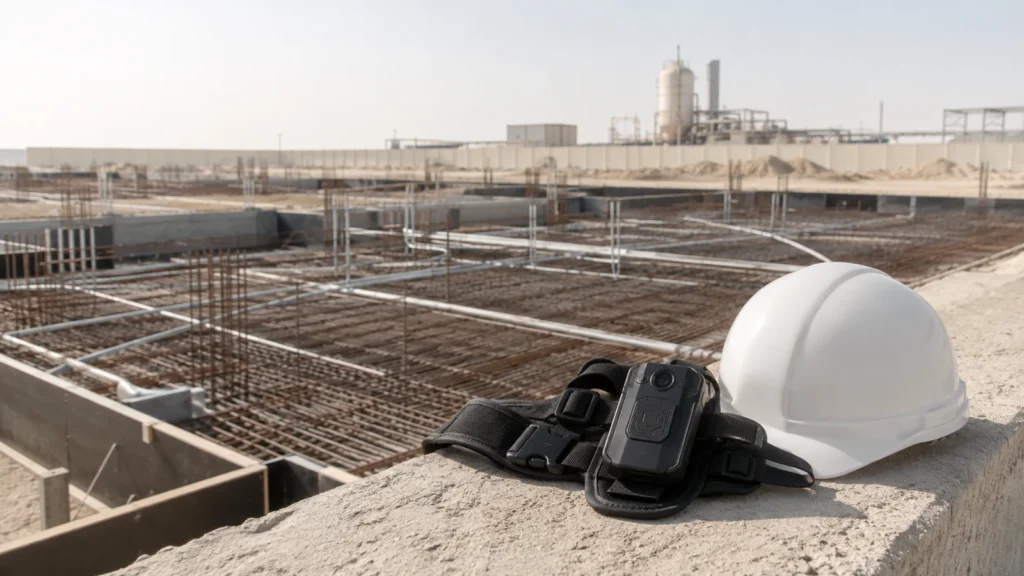
Body camera on a chest harness and a safety helmet beside reinforcement steel on a construction site
By site

Different sites, different needs

What each operation needs the camera to do, and how it fits the work.

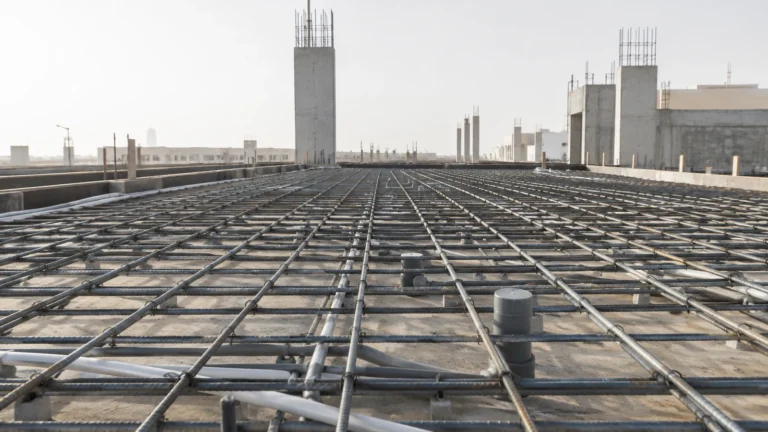
Reinforcement steel laid across a slab on a construction site with concrete cores behind
01

Construction Sites

Rebar before the pour, services before the ceiling closes, waterproofing before the screed. The camera records it while it is still open.

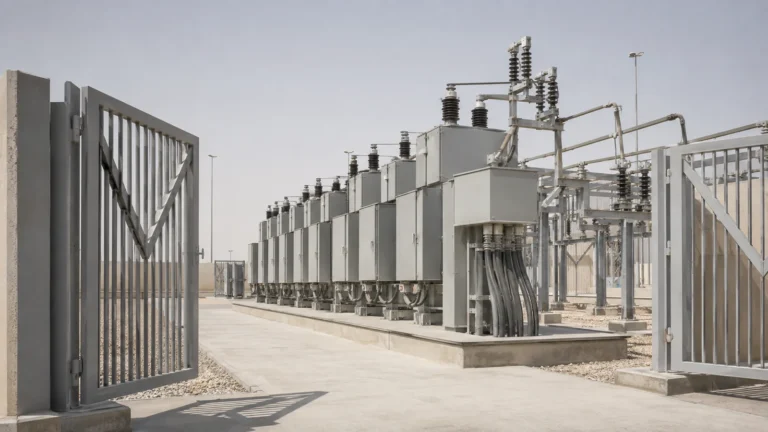
Outdoor electrical substation with transformers and switchgear behind a security gate
02

Power & Electrical Networks

Switching, isolation and jointing are recorded as the crew works. The file then holds the condition of the equipment before and after.

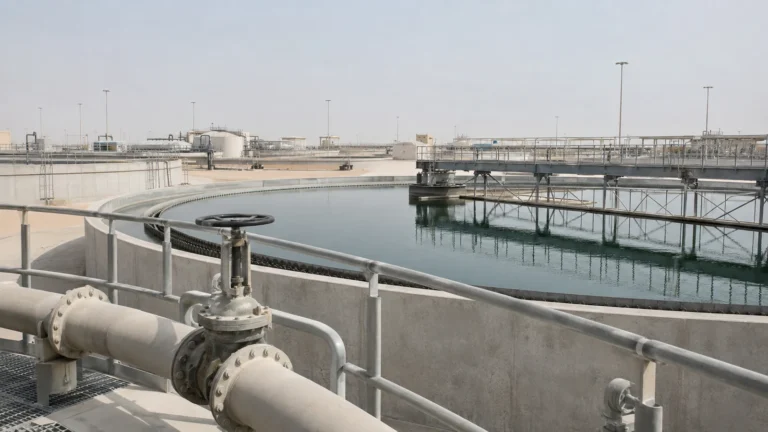
Circular clarifier tank and valve pipework at a water treatment works
03

Water & Wastewater

Network repairs put crews in the street and in front of the public. Treatment works and pumping stations are quieter, and mostly worked alone.

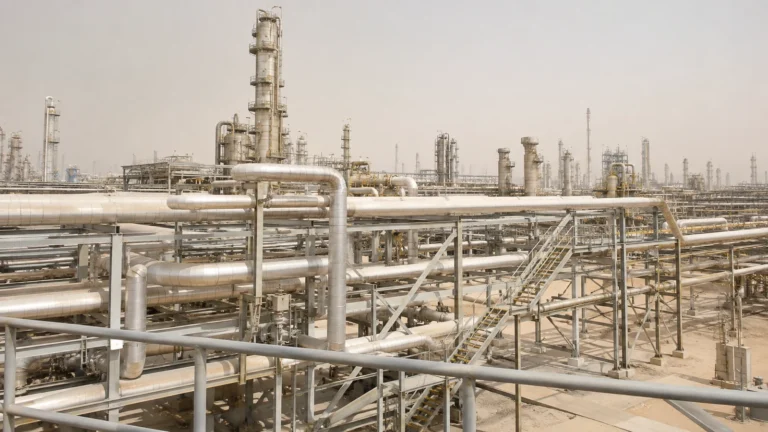
Process pipework and a distillation column at an oil and gas refinery
04

Oil, Gas & Petrochemical

Turnarounds put hundreds of contractors on site for a few weeks, and permit checks, escort runs and induction all land in that window.

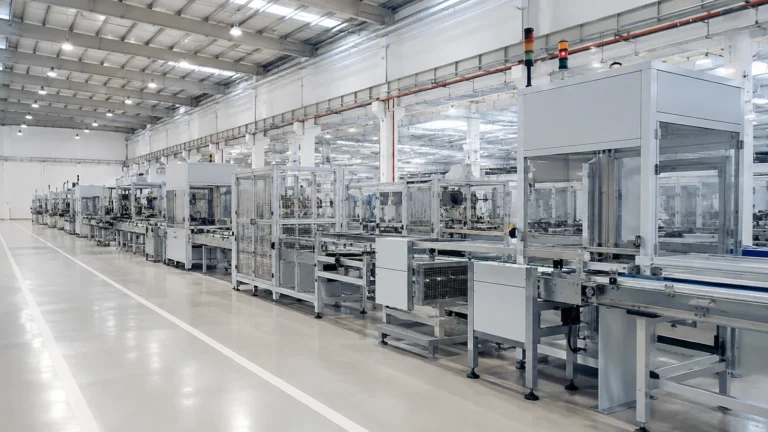
Automated production line running the length of a manufacturing plant hall
05

Manufacturing & Industrial Plants

An engineer off site watches a line changeover through the technician’s camera and answers without travelling to the plant.

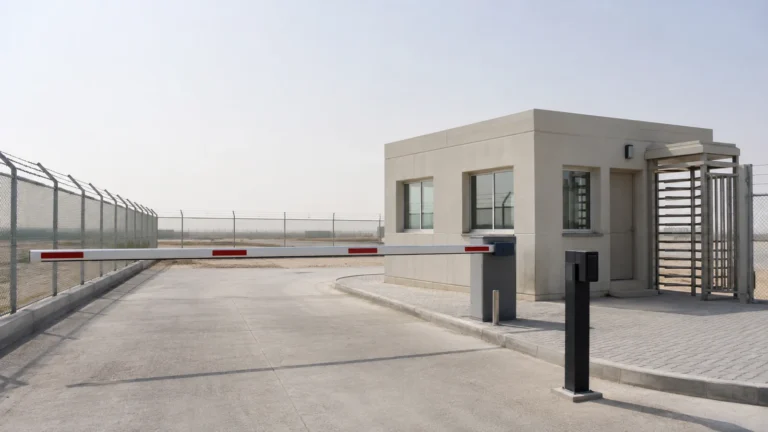
Gatehouse with a boom barrier and turnstile at a site contractor access point
06

Site Security & Contractor Access

Gate and perimeter duty, plus escorting every contractor who comes through it. High volume, and almost none of it worth keeping past the retention date.

The benefits

What changes once the work is recorded

Where the footage gets used after the job is done.

Proof of work that is now covered up

What went in behind the wall, under the slab or in the trench is on file, filmed from where the work happened.

The permit conversation on record

Video of what the contractor was told, and of the state the equipment was in at the time.

The first minutes of an incident

The scene as it was found, before it is cleared and while everyone still remembers the order things happened in.

Someone off site sees the job

On models that stream, an engineer or a specialist joins over 4G or 5G and answers while the technician is still standing there.

A claim opens the recording

A claim about workmanship, damage or conduct is answered from the visit itself. Two accounts of the same hour rarely get that far.

A camera that is ready at handover

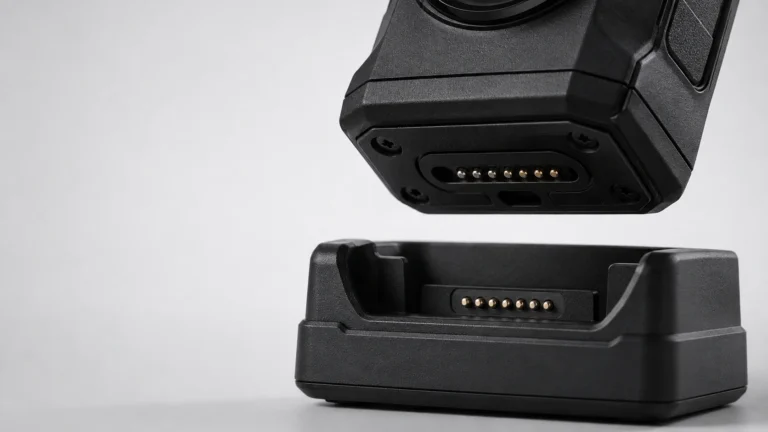
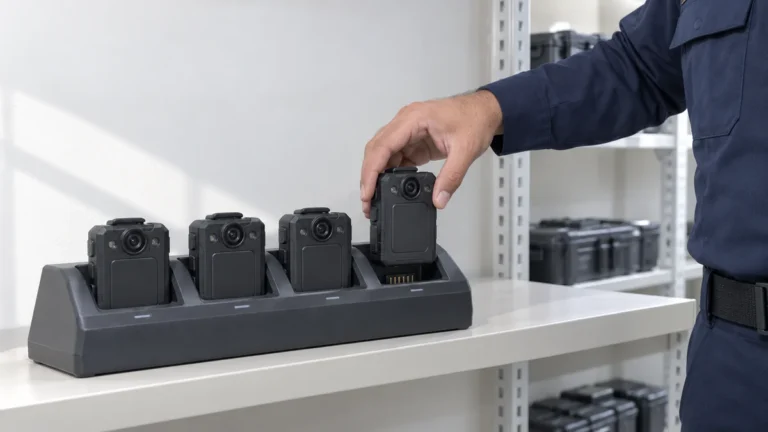
Cameras go into the dock at the end of the shift. Charging and offload happen in one action, and nobody has to remember a step.

The options

Choose the right camera

Three ways to run a fleet on a site. Each one can be configured to suit.

Body camera seated on the charging contacts of a docking stationA

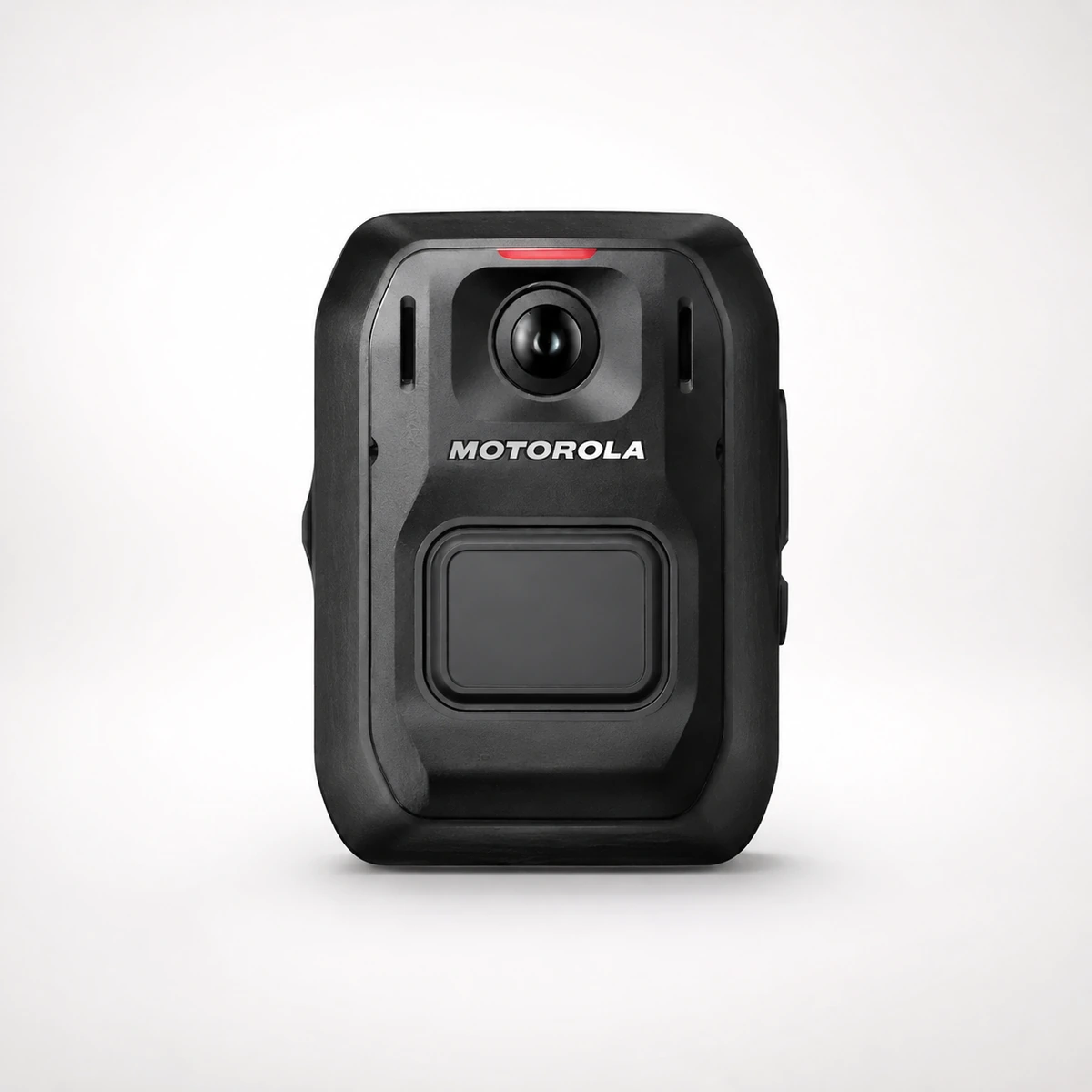
Offline Body Camera

For site security and workshop teams who start and finish in the same cabin, where nobody needs to watch live.
  • No SIM and no monthly line per camera
  • Uploads through the dock or over the site network
  • The lowest running cost
View offline cameras
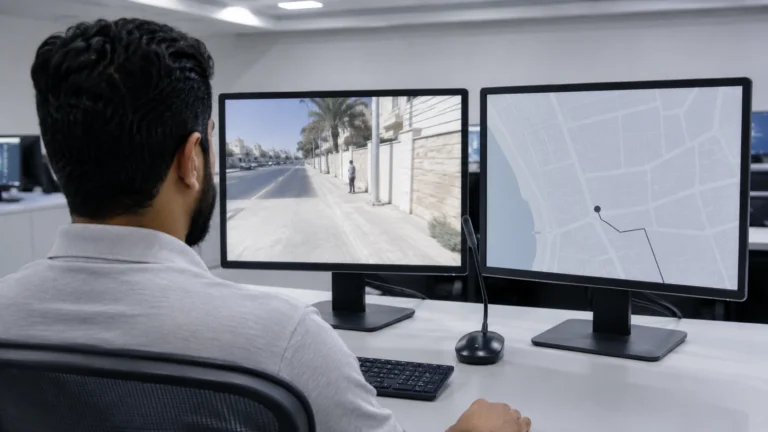
Control room operator watching a live camera feed beside a map of the wearer positionB

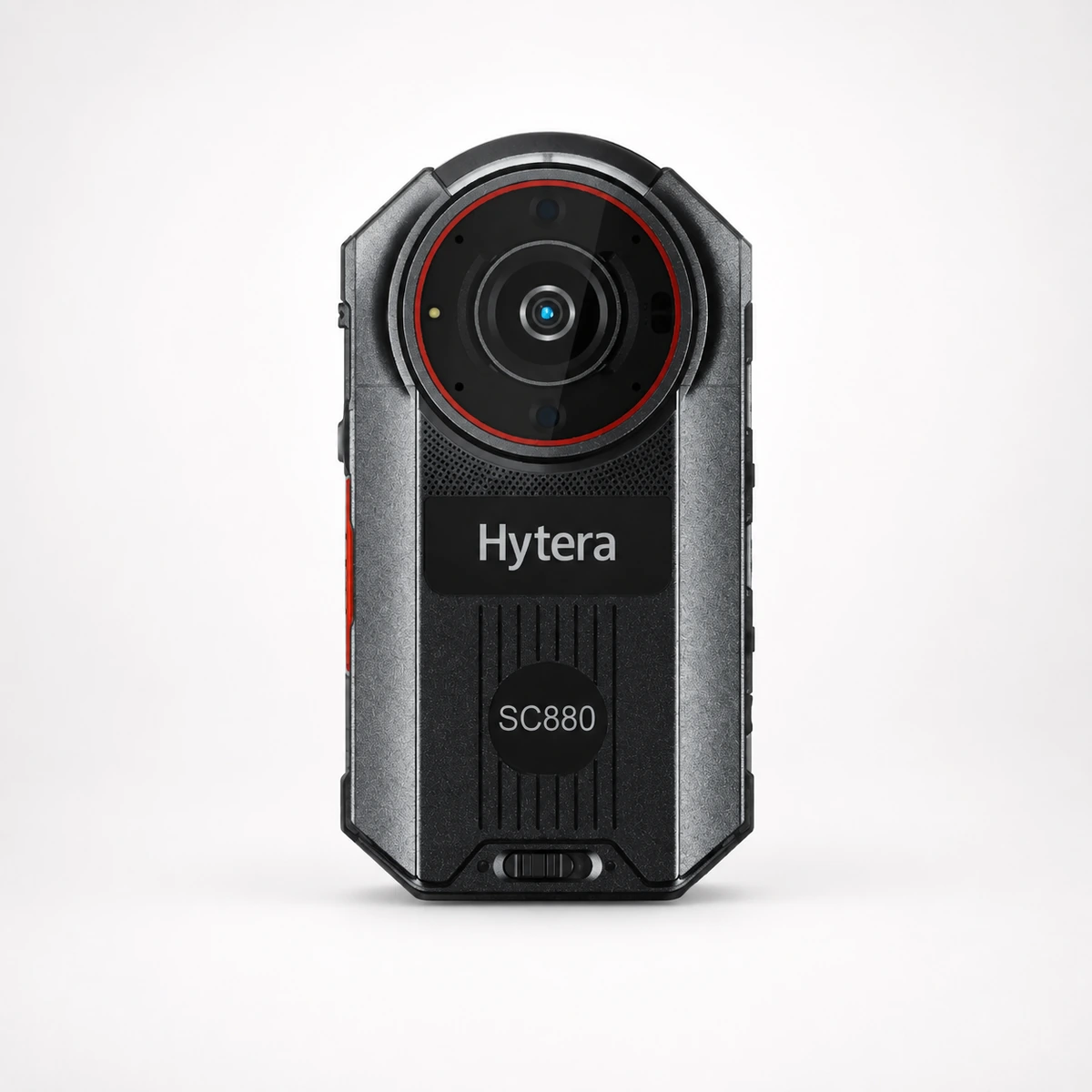
4G Live Streaming

For field crews, plant maintenance and anyone working alone, where the value sits with the person who is not standing there.
  • Live video and position to a control room or an engineering office
  • Push to talk alongside the radio on part of the range
  • One SIM per camera, so data becomes a running cost
View 4G cameras
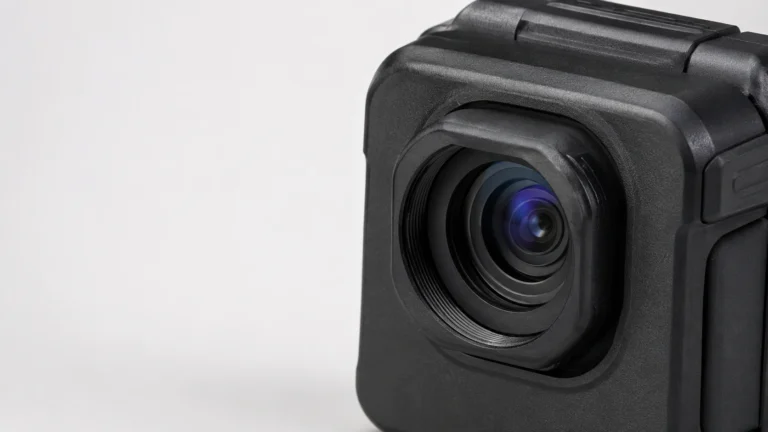
Close view of a body camera lensC

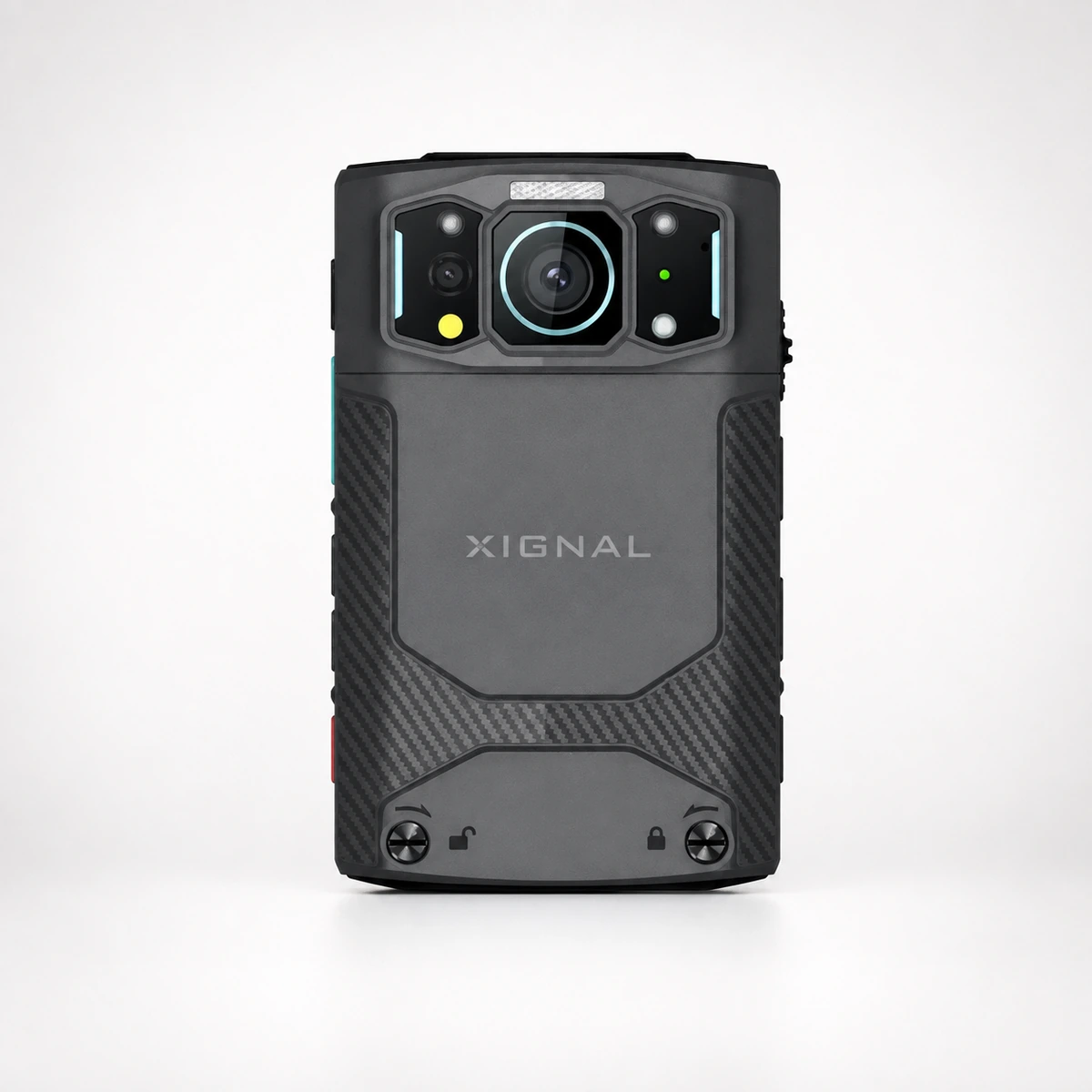
5G and 4K Detail

For recordings that get examined closely afterwards: a weld, a nameplate, a gauge, a damaged component.

  • 4K capture, so a close crop stays sharp
  • A live feed over 5G while the full recording waits for the dock
  • The highest storage cost per wearer
View 5G cameras

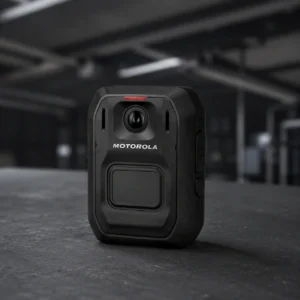
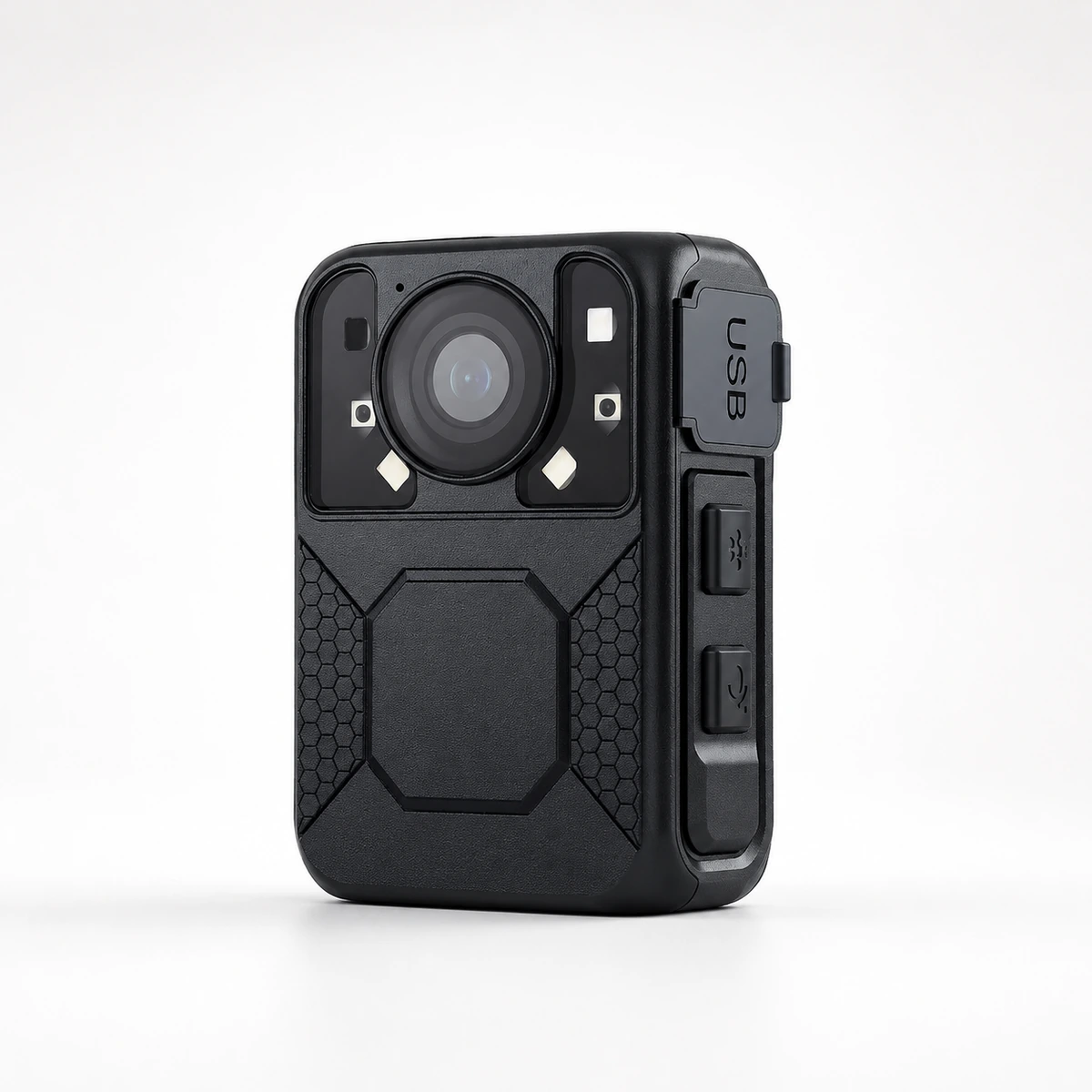
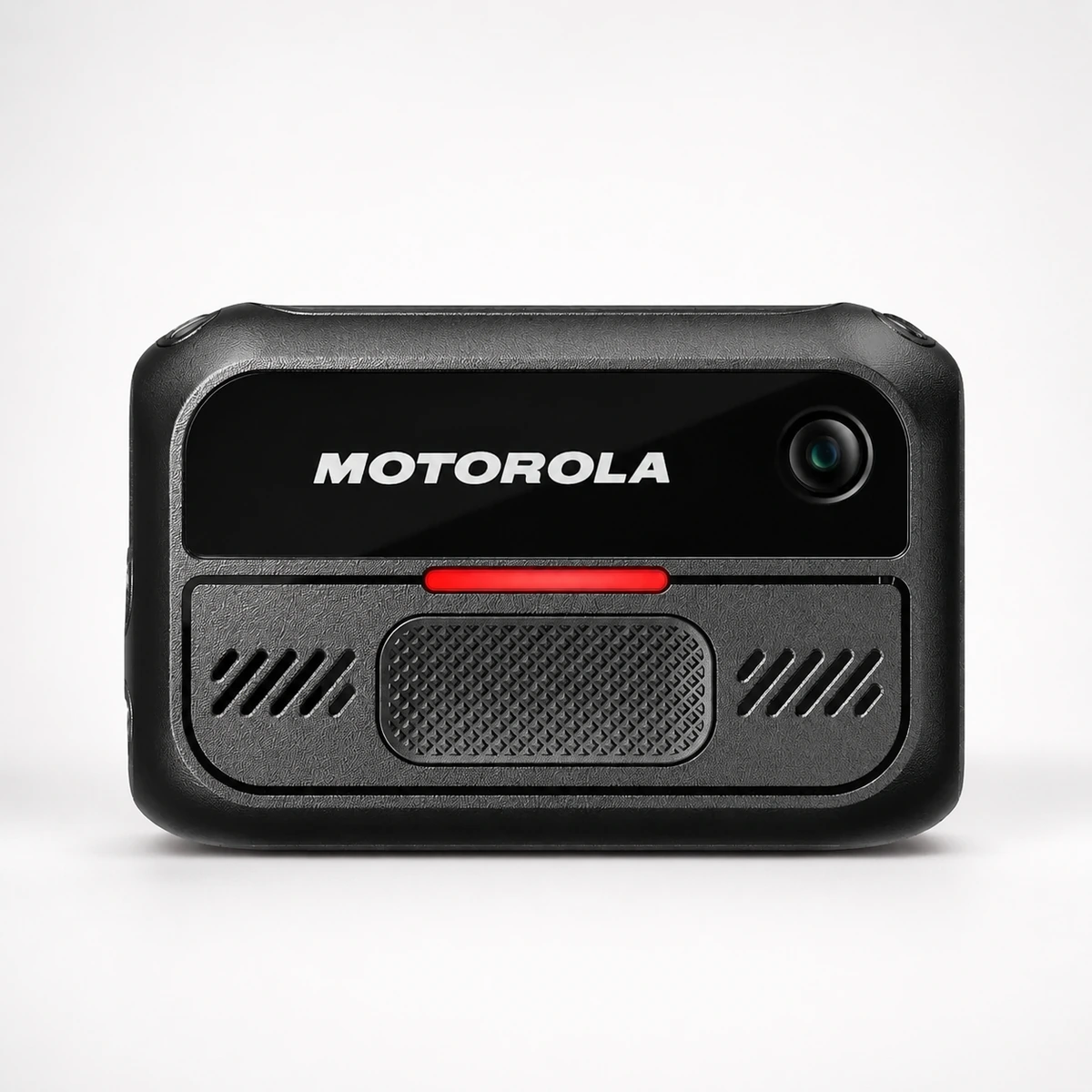
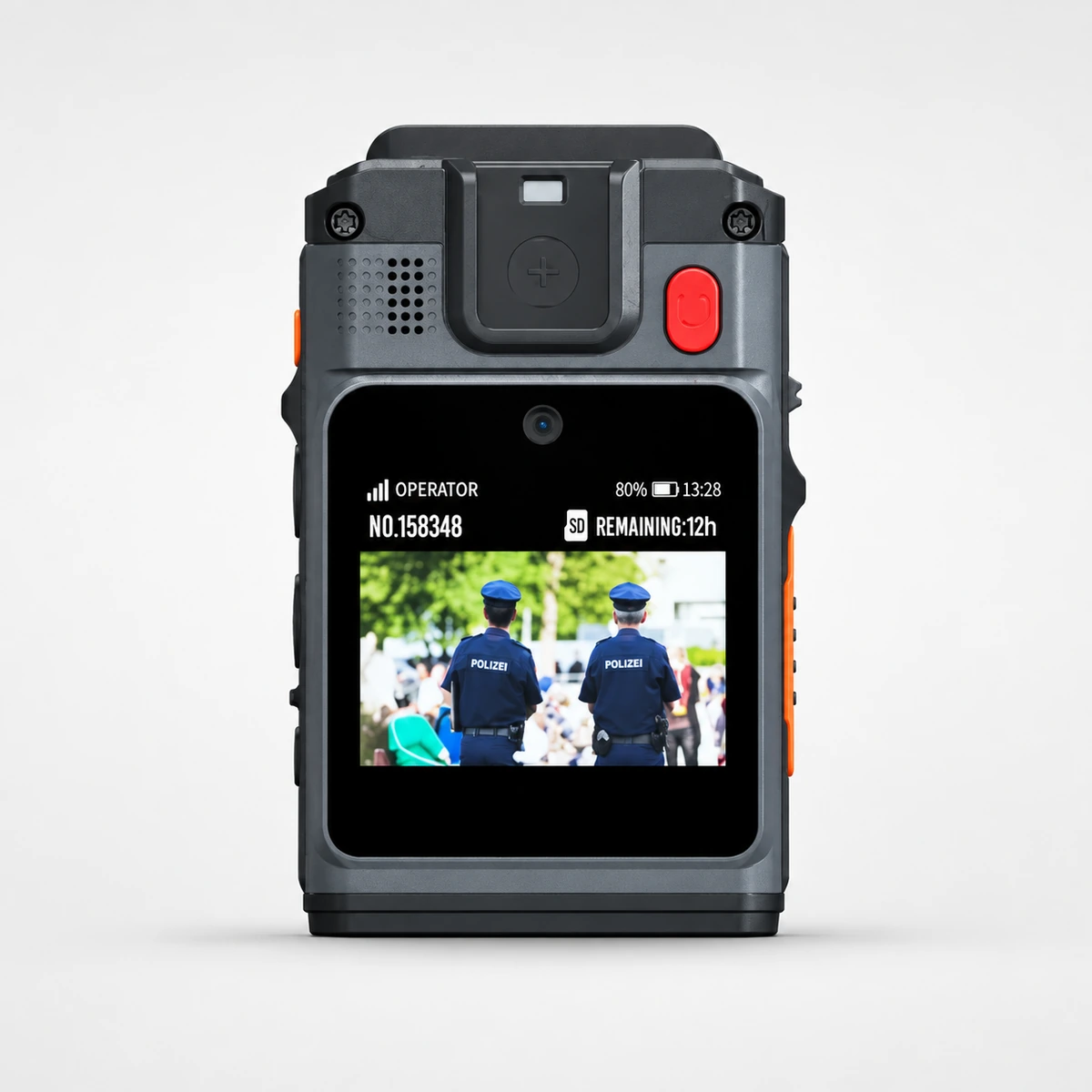
Footage and evidence sit on your own video infrastructure. Where both hands are committed there is a helmet mount as well. Send us your shift pattern and we will size it with you.
After the camera

What you need next

The rest of the system is the same whichever camera you choose.

01A body camera being returned to its docking station at the end of a shift

Docking station

Sized by how many cameras come off at changeover, not by how many people are on the site roster. A turnaround inverts that sum: the bay count has to carry the peak.

How docking works
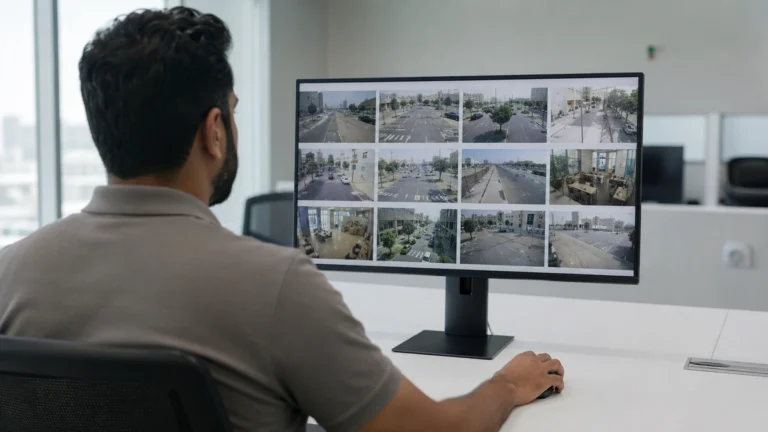
02Recordings being searched on the server that stores them

Video infrastructure

The server the footage lands on, in your own rack or a data centre you choose. Sized to your wearer count and how long recordings have to stay.

Video infrastructure
03Footage, notes and incident details gathered into one record

Evidence software

One place to search, whichever camera recorded it. Clips attach to an incident file or a permit record, and retention runs to your policy without anyone chasing it.

Evidence management

Site vehicles, tankers and mobile plant feed the same server and the same software. See vehicle cameras.

The limits

Where these cameras do not go

Four things this range does not do. Better said here than at a permit desk.

01

Inside a classified area

No camera we supply is certified for an area where a flammable atmosphere may be present. Send us the site classification drawing and we will mark which jobs fall inside it.

02

IP68 is a different rating

Sealing against dust and water, and a drop rating, describe what a camera survives. Neither says anything about whether it can ignite a flammable atmosphere.

03

Fixed coverage of the site

A body camera holds one person's view for one shift, and perimeter, yard and plant coverage stays a separate system.

04

The safety job itself

It does not detect gas, and on its own it does not satisfy a lone-worker procedure. Writing the permit and writing the report are still someone's job.

Common questions

The ones site and operations teams ask first.

Are your body cameras ATEX or IECEx certified?

No. Nothing we supply carries an Ex certification. A classified area needs a certified device, and that is a separate product family from ours.

Is an IP68 body camera explosion proof?

No, and the two ratings are unrelated. IP68 describes sealing against dust and water. It says nothing about whether a device can ignite a flammable atmosphere.

Which camera suits maintenance and inspection work?

One with a SIM. The value is rarely the recording itself. It is a specialist somewhere else seeing what the technician sees, while the job is still in front of them.

Can we require contractors to wear a camera on our site?

Usually, and it is a contract question rather than a regulatory one. Put it in the contract and the induction, and put signage at the gate.

How long does a camera last across a twelve-hour shift?

Published runtimes across the range are 9 to 13 hours. Heat shortens them. Where shifts run long we specify a model with a swappable cell.

Where does the footage end up?

On a server you control, in your own rack or a data centre you choose. Cameras offload at the dock, encrypted, with retention enforced by the server.

See it working before you buy

We will show you the whole system: cameras, docking, server and software. Send the site layout and your shift pattern and we will come back with a configuration.

Body Camera Models

Two ways to deploy. Browse below.

Request a Demonstration

Tell us where the cameras will be deployed and we will arrange a demonstration with the right models for your sector.

Connect on WhatsApp