Home  ›  Industries  ›  Inspections & Field Services

Body Cameras for Inspections and Field Services

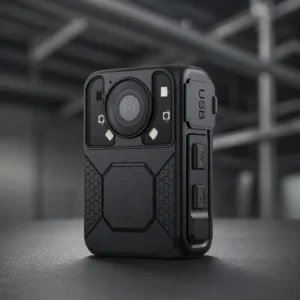
A camera on an inspection does two jobs: it records what the inspector found, and it records how the visit was handled. We supply the cameras, the mounts, the docking and the software that holds the footage.

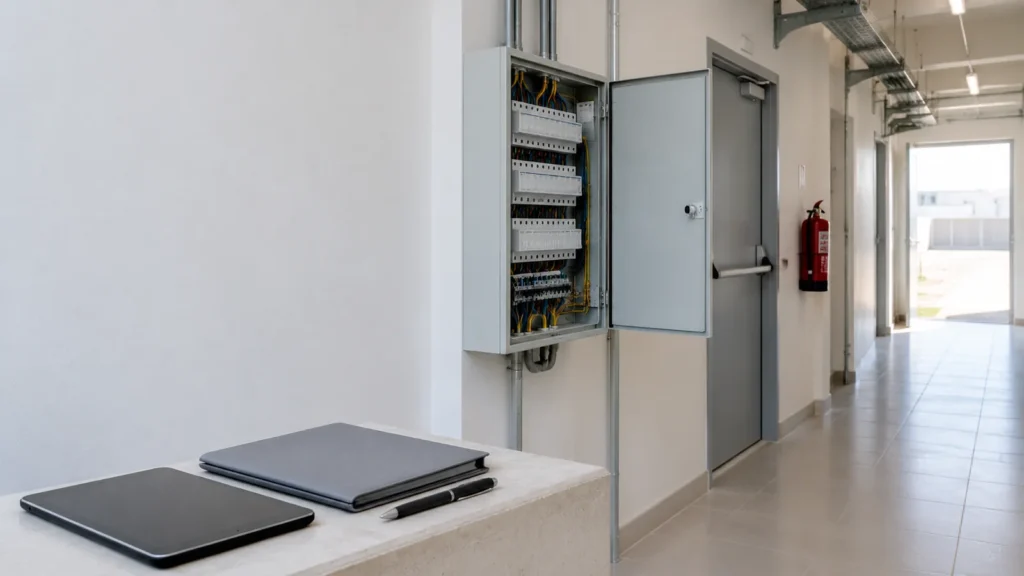
Tablet and inspection folder on a ledge beside an open electrical distribution panel in a building service corridor
By inspection type

Where inspectors use body cameras

What each kind of visit needs the camera to do.

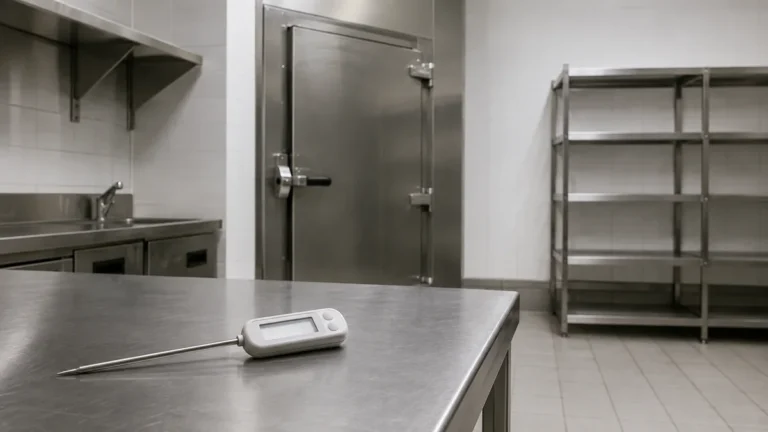
Probe thermometer on a stainless steel preparation counter beside the cold store door in a commercial kitchen
01

Food & Hygiene Inspection

Kitchens, markets, cold stores and processing floors. The camera holds the temperature reading, the storage condition and the label as they were at the time of the visit.

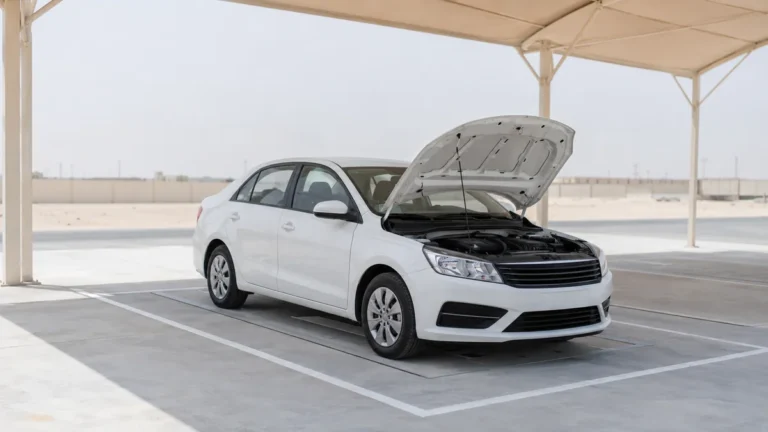
Car with its bonnet raised on the inspection bay of a vehicle testing lane
02

Vehicle Inspection & Testing

Test lanes in some countries already record under fixed cameras. A body camera covers what those miss: the walk-around, the underside check and the exchange with the driver.

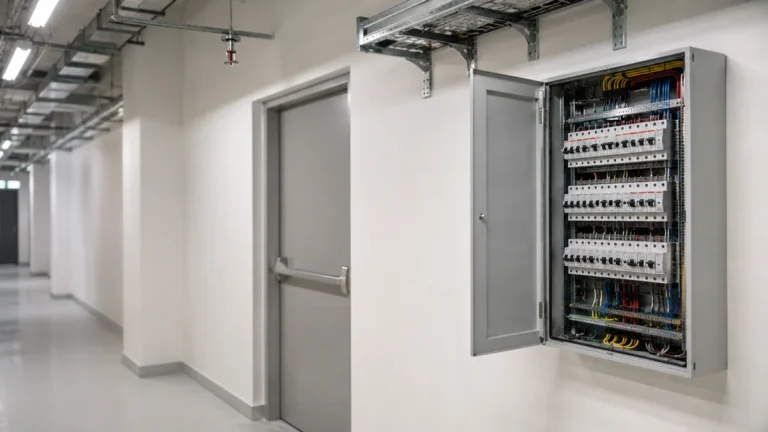
Open electrical distribution board, fire door and sprinkler head in a building service corridor
03

Building & Facility Inspection

From arriving on site to the findings discussed at the door, the whole visit goes on record: exits, panels, wiring and access routes, captured in the order they were checked.

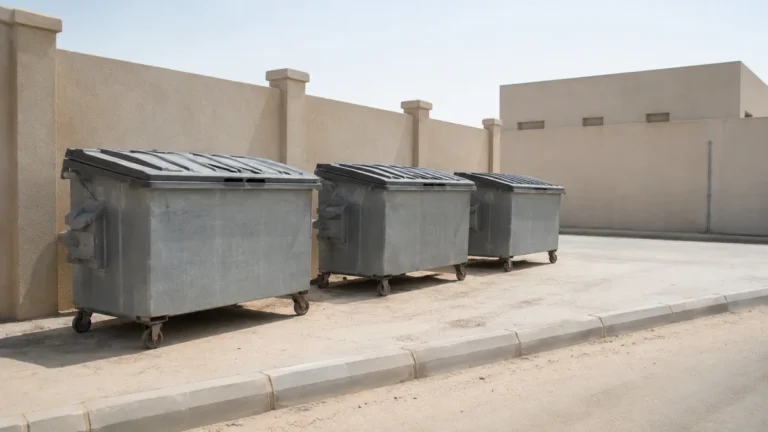
Row of metal waste containers standing against a boundary wall at the kerbside
04

Environmental & Public Health

Complaints about waste, noise, pests and pollution get argued over long after the officer has left, and footage of the site as it was found shows the condition a written description can only assert.

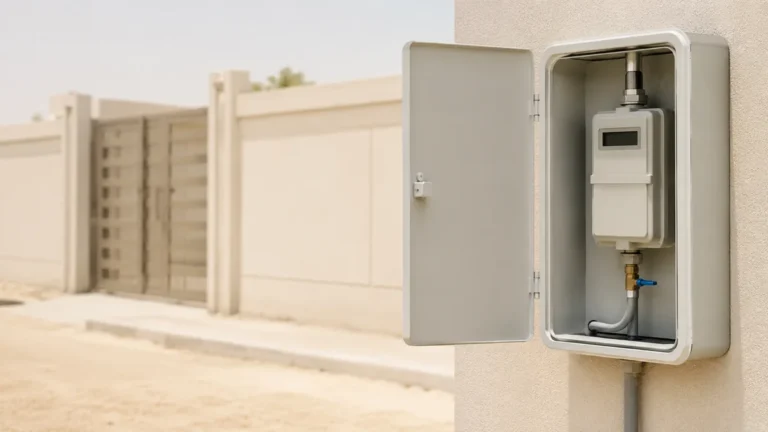
Open utility meter cabinet on an exterior wall, showing the meter and its isolation valve
05

Utility & Metering Field Crews

A meter read, a disconnection or a fault repair puts a lone worker on someone else’s property. Both the condition on arrival and the state it was left in are on the recording.

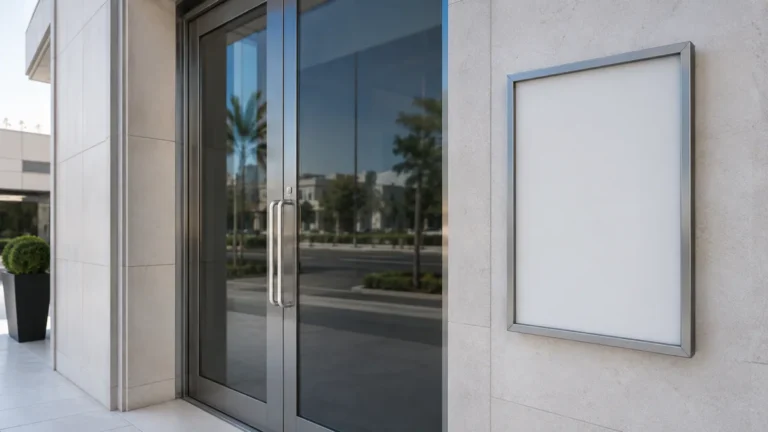
Glass entrance doors of a commercial premises with a blank licence display frame mounted beside them
06

Licensing & Enforcement Visits

Licensed premises, permits and penalty notices. Where a visit turns confrontational, the officer’s conduct and the other party’s sit on the same recording.

The benefits

How body cameras help

What changes once the visit is on record.

A finding that holds up

When a result is challenged weeks later, the footage shows the condition the site was in on the day of the visit.

Nobody touches the file

Footage moves from camera to server through the dock. No memory card, so there is no card to hand round or lose.

Pull up any visit

Search by inspector, date or address. No working out which camera went out on which round.

Every round is accounted for

Cameras are signed out to a named inspector, so a recording traces back to the visit it belongs to.

Backup on a difficult visit

On models that stream, a supervisor can see what the inspector is dealing with while it is happening.

Out again next morning

Overnight the dock charges and uploads, so the next round starts with a working camera.

The options

Choose the right camera

What the round looks like decides which one fits.

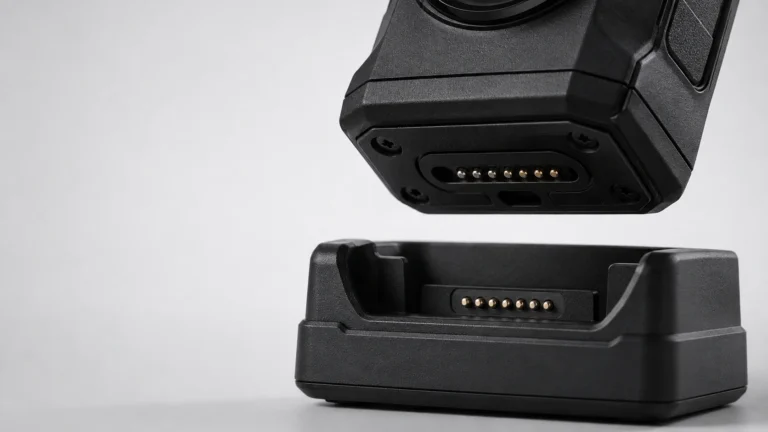
A body camera seated on the charging contacts of its docking stationA

Offline Body Camera

For rounds that start and finish at the same depot or office, where nobody needs to watch live.
  • No SIM and no monthly line per inspector
  • Uploads through the dock or over office Wi-Fi
  • The lowest running cost
View offline cameras
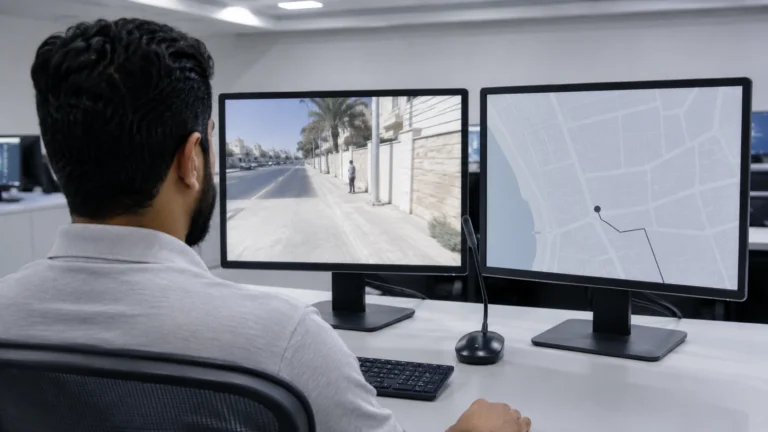
An operator watching a live body camera feed beside a map showing the field positionB

4G / Live Streaming

For lone visits and remote sites, where a supervisor may need to see a situation while it is running.
  • Live video and position back to the office
  • Push to talk alongside the radio, on some models
  • One SIM per camera, so data becomes a running cost
View 4G cameras
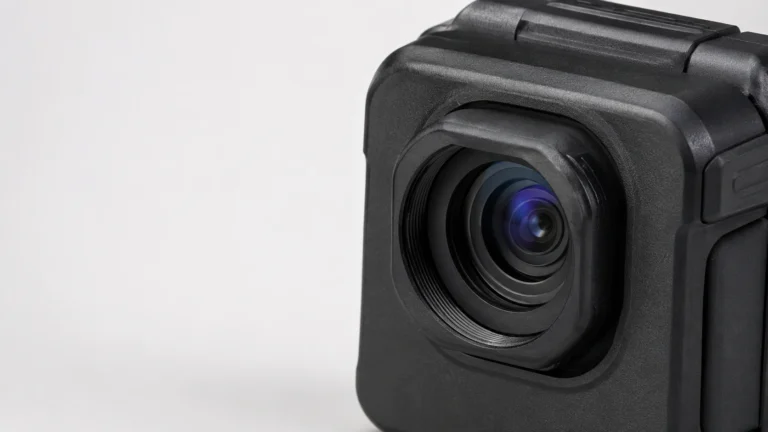
Close-up of the lens on a body-worn cameraC

5G / High Detail

For readings, labels, serial numbers and plates that have to stay legible when the clip is enlarged.

  • 4K capture, so a close crop stays sharp
  • A live feed over 5G while the full recording waits for the dock
  • The highest storage cost per inspector
View 5G cameras

A camera records the visit. It does not take the reading and it does not replace the report. Footage sits on your own video infrastructure, and we will size it against your round.
After the camera

What you need next

The rest of the system the footage depends on.

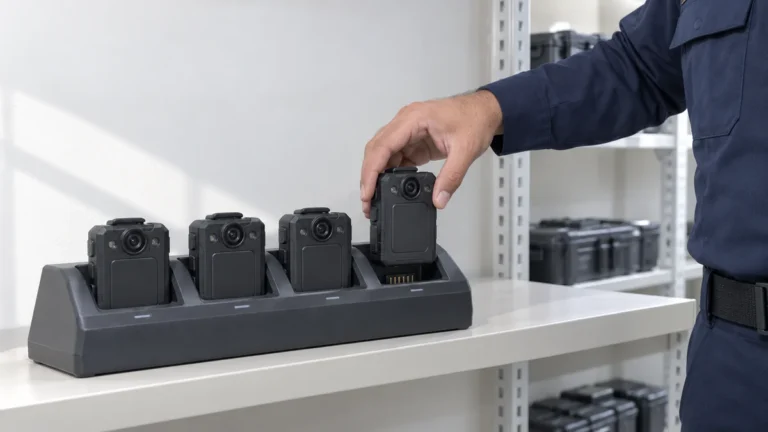
01A body camera being returned to its docking station at the end of a shift

Docking station

Sized by how many cameras come off a round at once, not by headcount. Inspectors take a camera from the rack in the morning and return it to the same rack.

How docking works
02Recordings being searched on the server that stores them

Video infrastructure

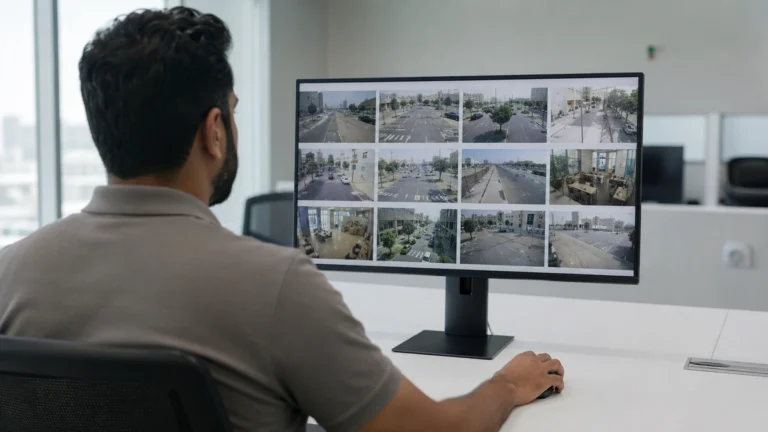
The server the footage lands on, in your own rack or a data centre you choose. Sized to your headcount and how long you keep recordings.

Video infrastructure
03Footage, notes and case details gathered into one evidence record

Evidence software

All footage in one place, whichever camera recorded it. You set who can open, share or export a clip, and how long it is kept before the server deletes it.

Evidence management

Vehicle cameras feed the same server and the same software. See vehicle cameras.

After the order

How a deployment runs

From first enquiry to a fleet in service, and who does what.

01

You send the requirement

The round, the environment, the team size and who has to accept the footage. A tender document works, and so does a rough description.

02

We come back with a configuration

In writing, against your requirement, with the reasoning. Where two options both meet the requirement, you get both, with the cost difference.

03

Demonstration and pilot

Hardware in your hands on your own site, in the conditions it has to survive. The actual mounting point tells you more than a datasheet.

04

Deployment and aftercare

Configuration, docking and storage set up, inspector training on the handling rules, then maintenance and spares for the life of the fleet.

Common questions

The ones we get asked most.

Which cameras do inspection teams use?

It depends on whether anyone needs to watch live. Offline or Wi-Fi cameras where footage is reviewed back at the office, 4G where a lone inspector may need support during a visit.

How long does a body camera record for?

Between 9 and 12 hours on one charge, and 13 hours on the helmet unit, which carries a second battery. Storage differs by model, so we confirm capacity against your round length and retention rule.

What does a deployment cost?

Four things drive it: inspectors out at once, whether the cameras carry SIMs, recording resolution, and how long you keep the footage. Send us your round and retention rule and we will quote.

Do inspectors have to tell people they are being recorded?

In most places that publish a rule, yes. Where no rule is published, we still recommend telling people. The camera is worn in clear sight, people are told, and recording is limited in private settings.

Can an inspector record inside a private home or business?

Only as far as the power of entry goes, and privacy law still applies once you are inside. Expect the occupier to record as well and to ask for a copy of your footage.

Does the camera replace the inspection report?

No. It records what was seen and how the visit was handled. The reading, the measurement and the report itself are still the inspector's work.

See it working before you buy

We will show you the whole system: cameras, docking, server and software. Tell us your team size and the round they cover and we will recommend the right models.

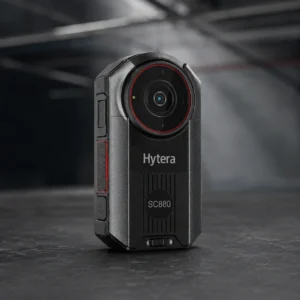
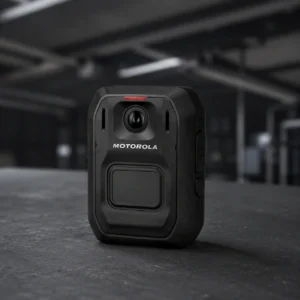
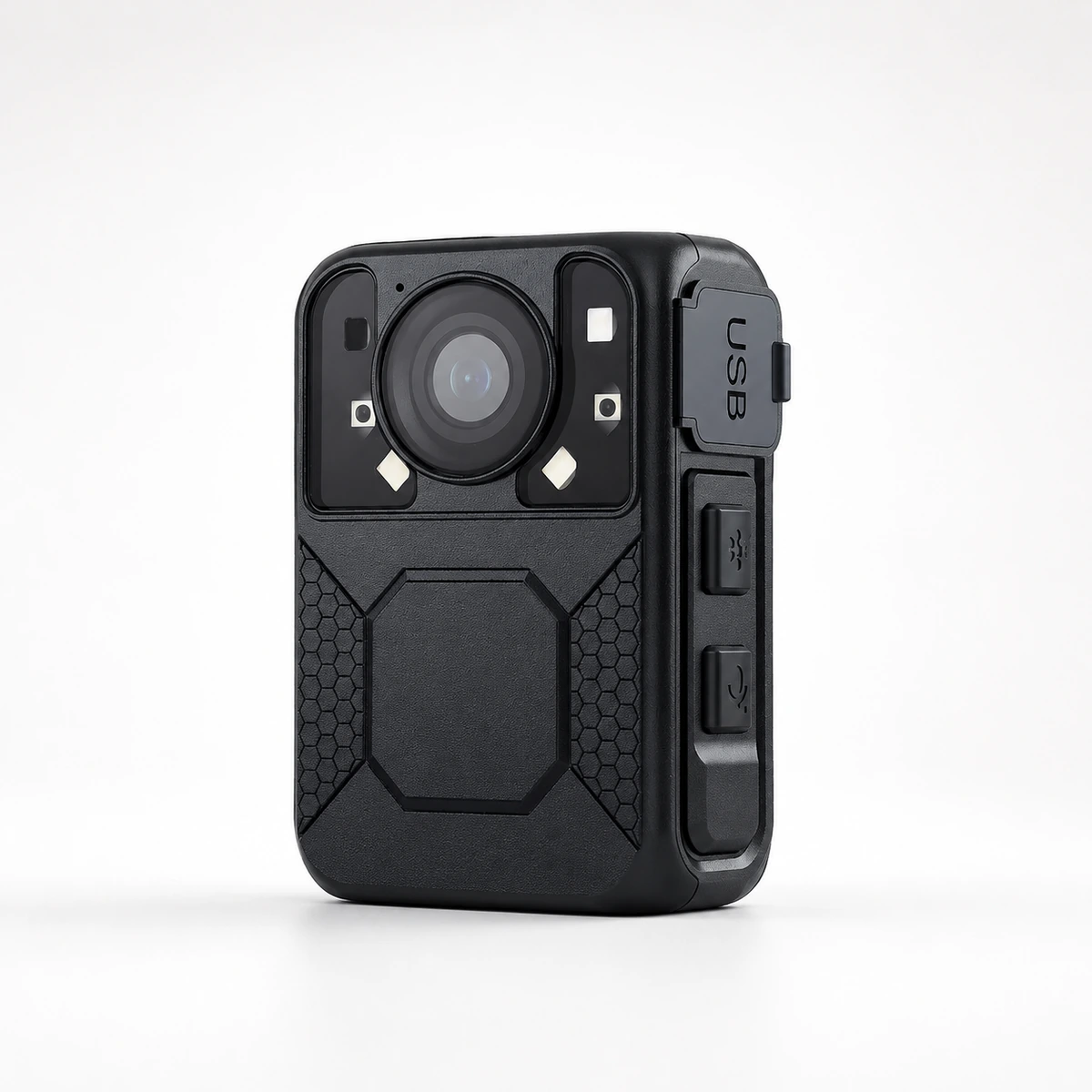
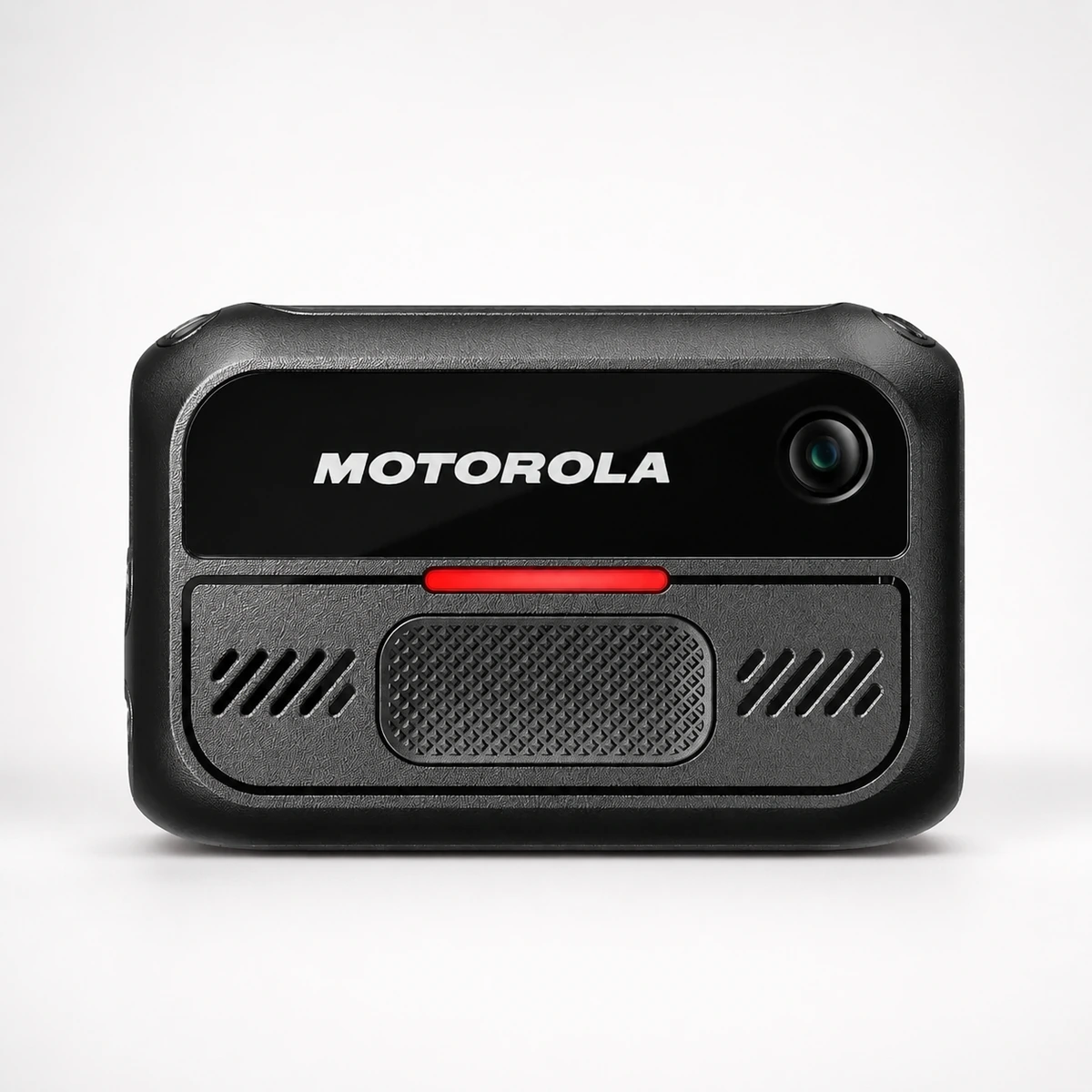
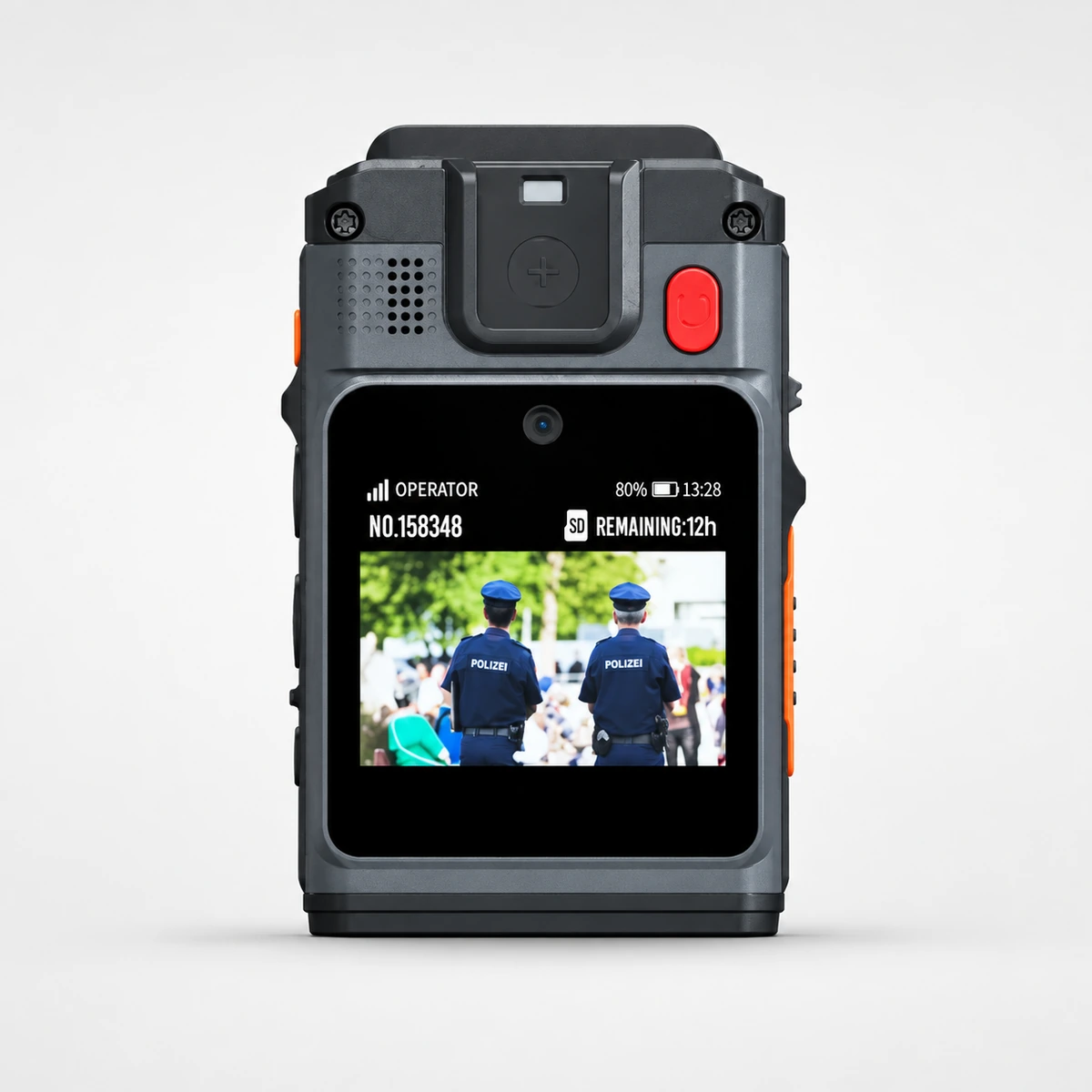
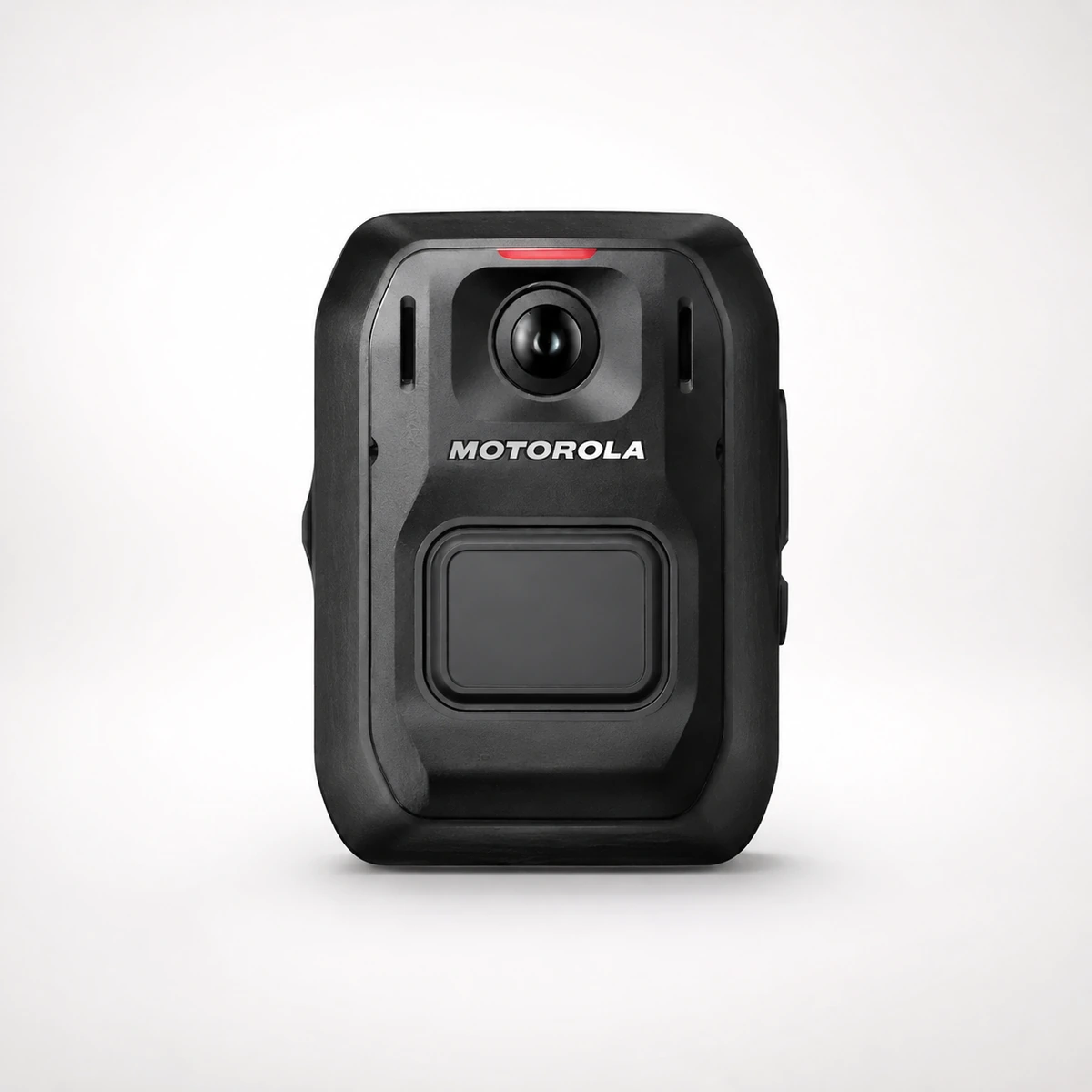
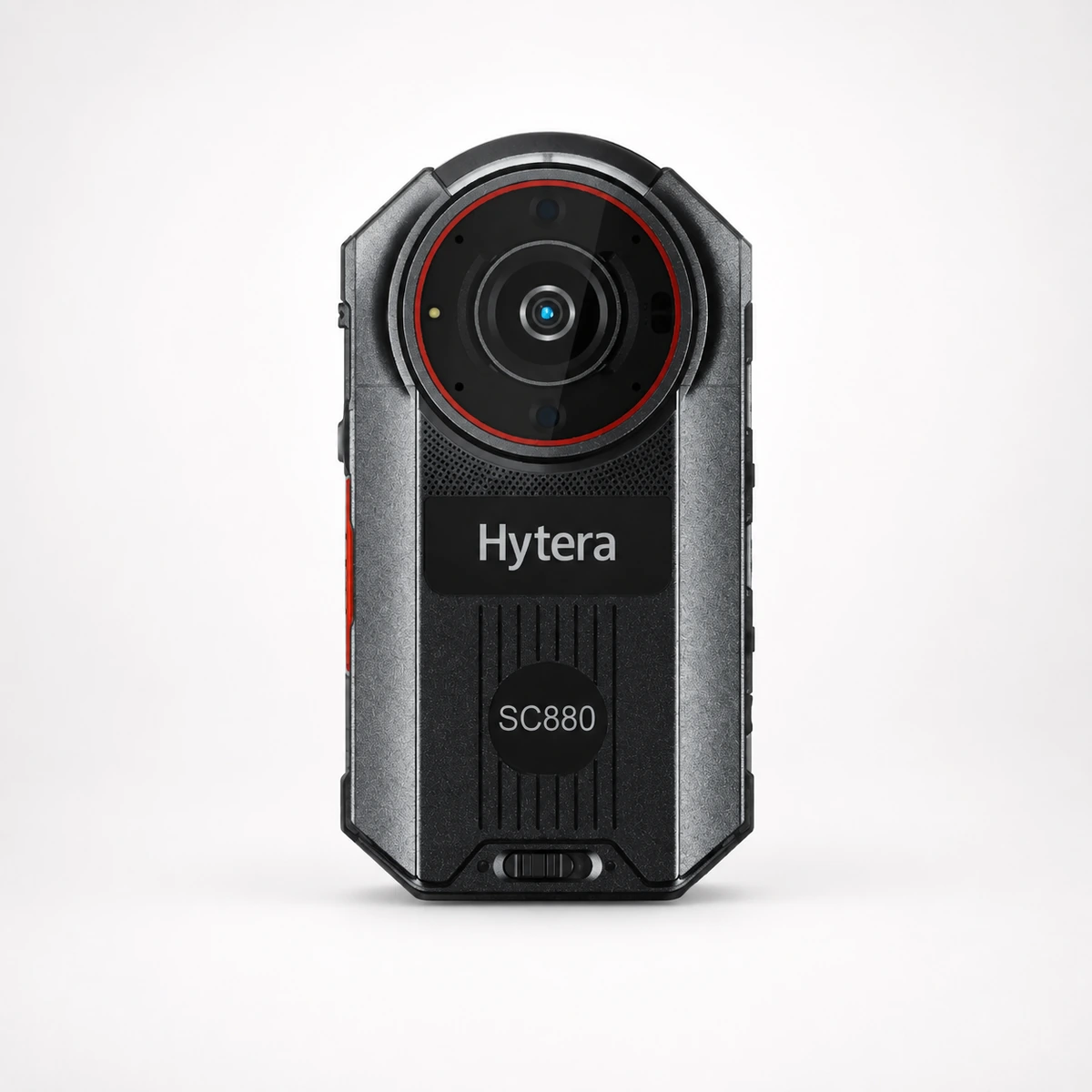
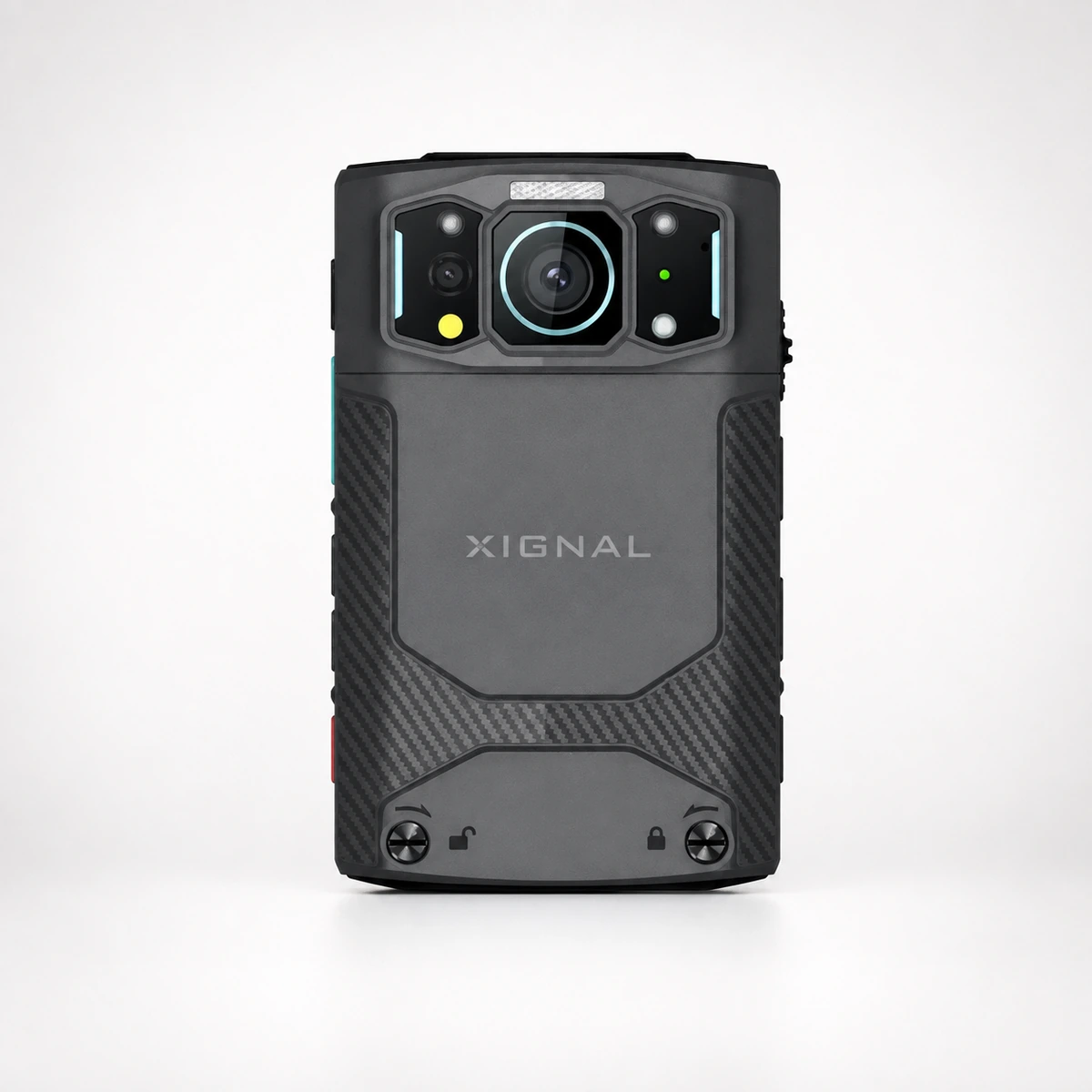
Body Camera Models

Two ways to deploy. Browse below.

Request a Demonstration

Tell us where the cameras will be deployed and we will arrange a demonstration with the right models for your sector.

Connect on WhatsApp