Home › Solutions › Live Streaming
The dock answers what happened. Live streaming answers what is happening. Our guide to offline versus live streaming sets out when the live link is worth paying for. 4G and 5G cameras send video, position and audio to a control room while the incident is still running, and the full-resolution recording keeps writing to the device for the evidence chain.
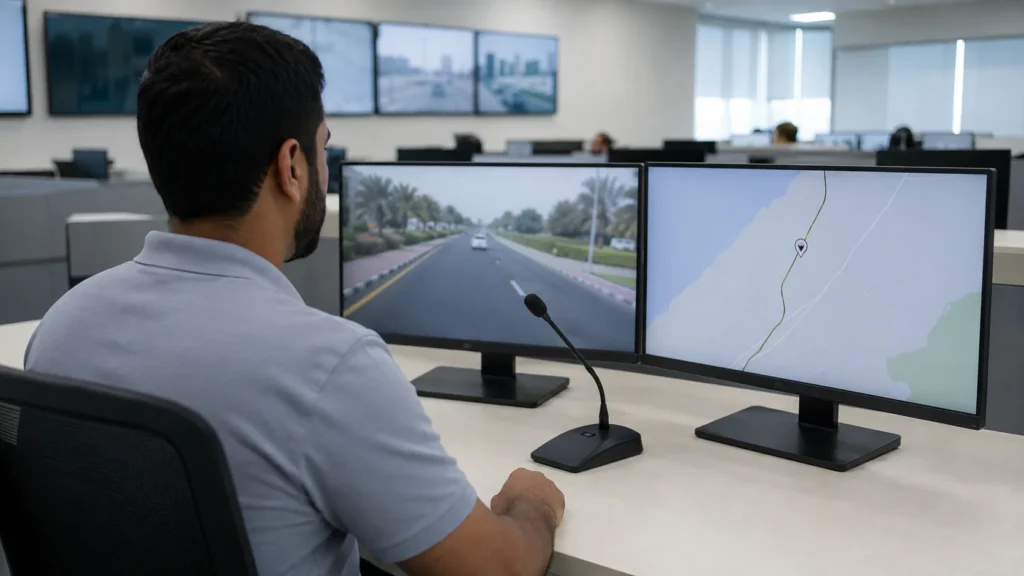
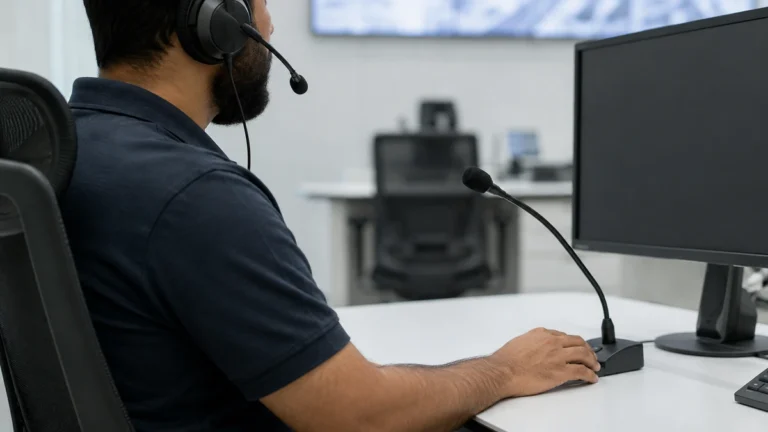
One window per incident. Video, position and voice on the same screen, so the operator is not switching between three systems while something is happening.
The stream opens from the console on request, at any time, for any device that is online. It is a preview of what the camera is recording, not a second recording.
Every streaming device reports GPS as it moves, so the operator sees where the officer or the vehicle is, not only what the lens is pointed at.
Where a device has been, replayed against the map. A patrol route or a fleet movement after the fact, and during an incident, how a unit got to where it is.
The operator can talk through the camera. Console to device, device to device, or to a whole group at once, on the same link that is carrying the video.
An SOS press, an impact, a motion trigger or an I/O input raises at the console and opens the video window on its own. The operator does not have to be watching that unit already.
Which units are online, which have lost GPS, which have dropped off the network, with a log that can be searched by device and by time period.
This is the part worth being straight about, because it decides what live streaming can and cannot do for you.
Cellular bandwidth will not carry full-resolution video, and eight channels of 1080p will not fit down it at all. What reaches the control room is a reduced stream. It is there so somebody can see what is happening, not so somebody can archive it.
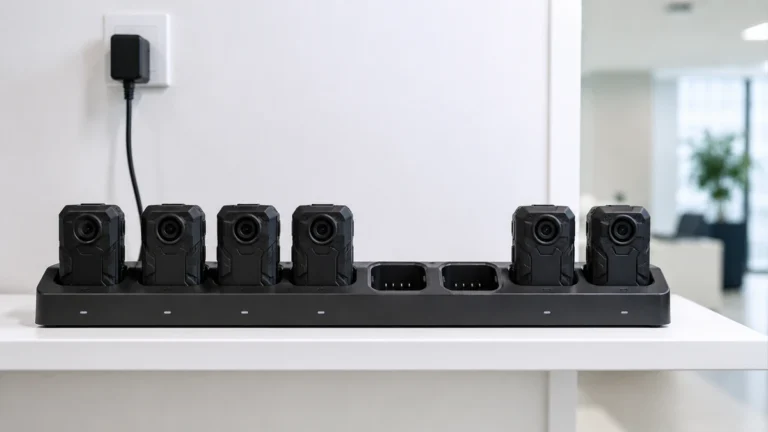
The camera or the recorder keeps writing at full quality to its own storage the whole time it is streaming. That file, not the stream, is the one that comes off at the dock or over depot Wi-Fi and becomes evidence. Losing signal does not lose the recording.
One data plan per streaming device, and cellular coverage where the officer or the vehicle actually is. Out of coverage the device records normally and the console simply has no live view until it is back. On site, Wi-Fi can carry the stream instead.
Pulling a file remotely is a different job. On the Xignal platform an operator can search and download a specific recording over the network rather than wait for the officer or the vehicle to come back. It is far slower than watching a live stream and it consumes the same data allowance, so plan for it rather than assuming it. The offline versus live streaming guide works through the trade-off.
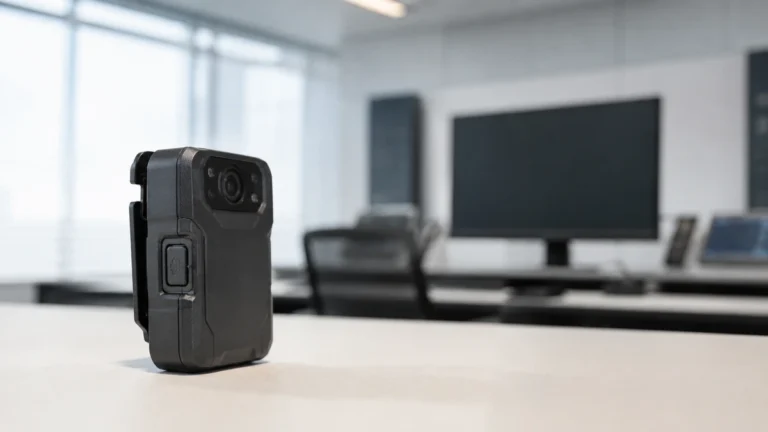
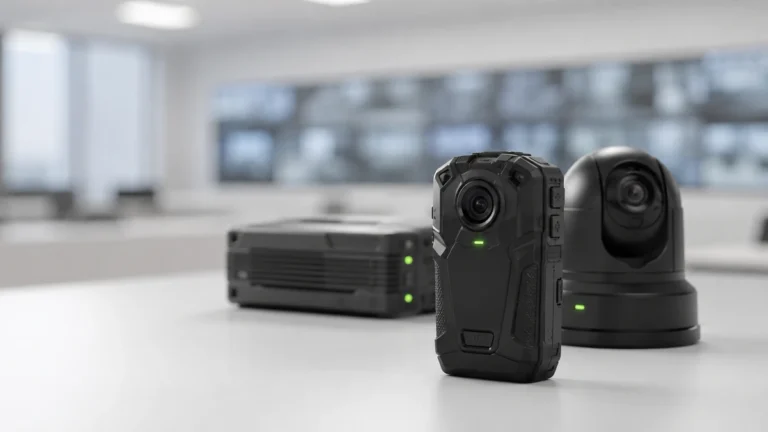
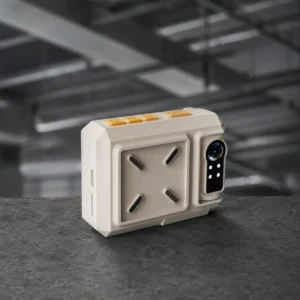
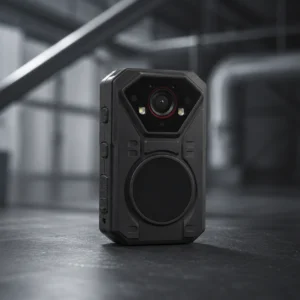
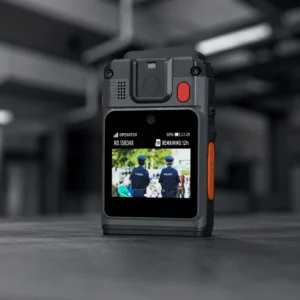
Live streaming is a property of the device, not of the platform. These are the units in our range that carry their own radio.
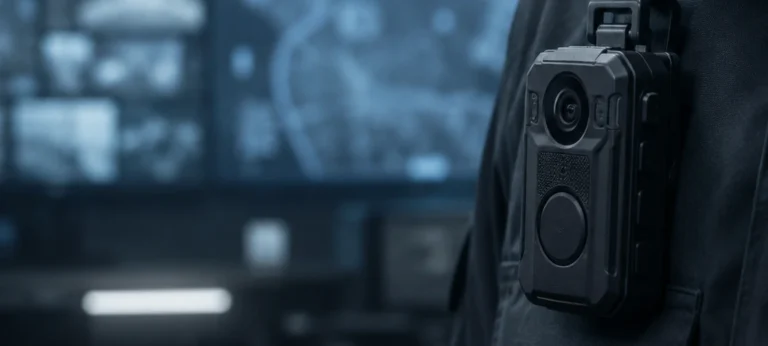
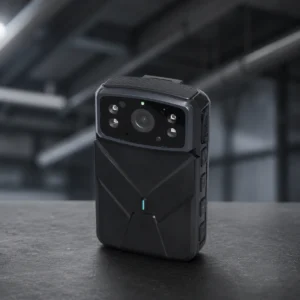
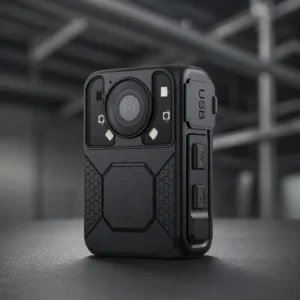
Every 4G and 5G body camera in the range streams video, position and audio while it records to its own storage.
A vehicle recorder streams a reduced view of its channels alongside GPS position, speed and alarm state.
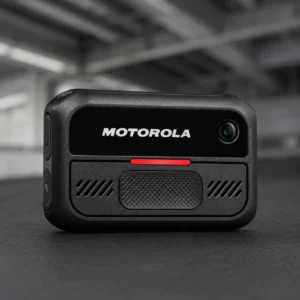
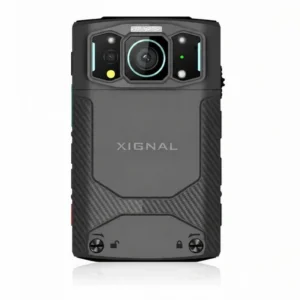
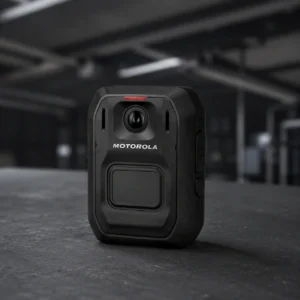
Two models do not stream, and are not meant to. The Xignal Pro M508 and the Motorola V200 are offline and Wi-Fi upload cameras: they record, and they transfer at the dock. If a control room needs eyes on a team while it works, those are not the units for it.
There is no single console that watches all three brands. Each manufacturer streams into its own platform, and that is a decision worth making before the hardware is ordered rather than after.
The platform the Xignal body cameras and vehicle recorders report to. It ships as client, server, playback and auto-download software, so the server can sit on infrastructure you own. Real-time preview, GPS map positioning, historical track playback, voice intercom, alarm linkage, remote search, download and playback, equipment area management and remote upgrading. Transmission runs under AES and SSL encryption with a key management system.
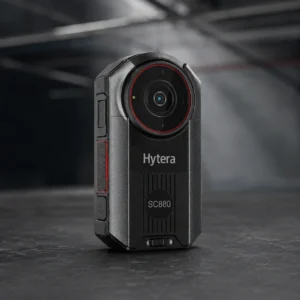
The SC580 and SC880 offer dual-stream: high-definition footage is written locally while a compressed stream goes out over the network. They work with Hytera’s own command and dispatch platform, and with PTToC, which makes the camera a push-to-talk radio for the team at the same time. The evidence itself lands in Hytera’s Digital Evidence Management platform. Hytera lists dual-stream and PTToC as options on these models rather than standard, so have them confirmed on the order.
The V500 streams video and location over LTE into VideoManager, where several officers can be watched in real time side by side, and VideoManager can be extended to CommandCentral Aware where a wider picture is wanted. The M500 and M500E in-car systems sit in the same stack, but cellular on those is an optional LTE and Wi-Fi router rather than something built in.
This is the same split the vehicle range has. Xignal writes to a server you own and control; Motorola writes into Motorola’s platform. Running both in one fleet is possible and sometimes right, but it means two consoles and two evidence stores, and that belongs in the specification rather than in a surprise after handover. We will lay both out against your deployment. See Digital Evidence Management for where the footage ends up.
What control rooms and procurement teams ask before a live workflow is signed off.
No, and it is not meant to. The stream is a compressed copy for situational awareness. The full-resolution recording stays on the device and still has to be offloaded, at a dock for a body camera and over depot Wi-Fi or by pulling the drive for a vehicle recorder. Every deployment that streams still needs the extraction step.
Seven of the nine. The Xignal Pro M535 and Hytera SC880 over 5G; the Xignal M530, M520 and M540 helmet camera and the Hytera SC580 over 4G; the Motorola V500 over LTE on an eSIM. The Xignal Pro M508 and the Motorola V200 are offline and Wi-Fi upload cameras and do not stream.
The device carries on recording to its own storage exactly as normal. The control room loses the live view until the device is back in coverage, and nothing is lost from the recording. It is worth checking coverage on the actual routes and sites before committing to a live workflow, because underground car parks, plant rooms, tunnels and remote sites are where it will drop.
On the Xignal platform, yes: intercom runs console to device, device to device, and to a group. Hytera cameras do it through PTToC, which makes the camera a push-to-talk radio alongside its recording. Ask us to confirm the exact configuration for the models you are specifying.
It depends on the resolution the stream is set to, how many devices stream at once and how long operators keep windows open, so a single figure would be misleading. It is sized per deployment, and it is a recurring cost that belongs in the tender alongside the hardware. Give us the headcount, the shift pattern and how often a control room expects to watch, and we will work it through with you.

On the Xignal side, yes. The body cameras and the 4G vehicle recorders report to the same VMMS platform, so an officer and a vehicle in the same incident appear in one place. Across brands, no: Motorola devices stream into VideoManager and Hytera into its own command and dispatch platform.
We put a streaming camera on your network, open the console, and show you the picture, the delay and the map position you would actually get where your teams work. Then we specify the models and the data plan that fit it.
Complete body-worn camera systems for government and enterprise operators across the UAE and GCC.
© 2026 BodyCamera.ae
Two ways to deploy. Browse below.


Tell us where the cameras will be deployed and we will arrange a demonstration with the right models for your sector.