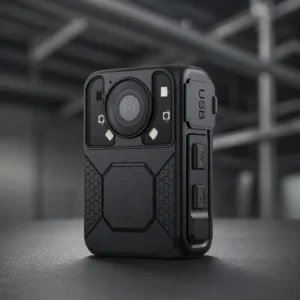
Home  ›  What is a Body Camera

What is a body camera?

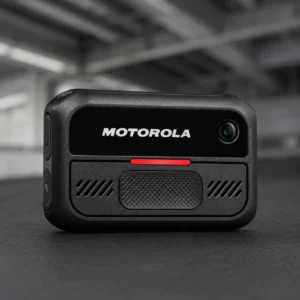
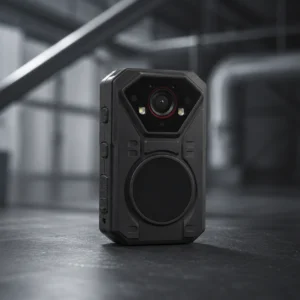
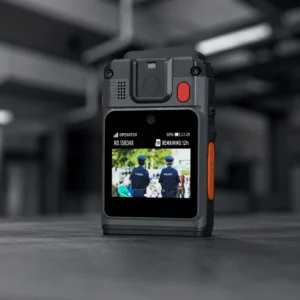
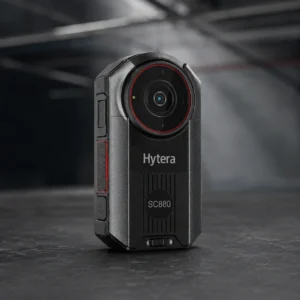
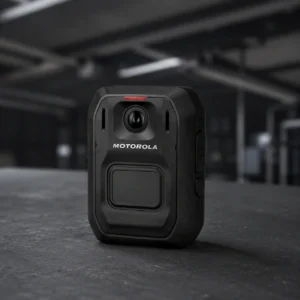
A body camera is a small recorder that clips to a vest, a shoulder or a helmet and films the job from where the wearer is standing. It runs for a whole duty, and it seals each recording so the file still counts when somebody asks about it later.

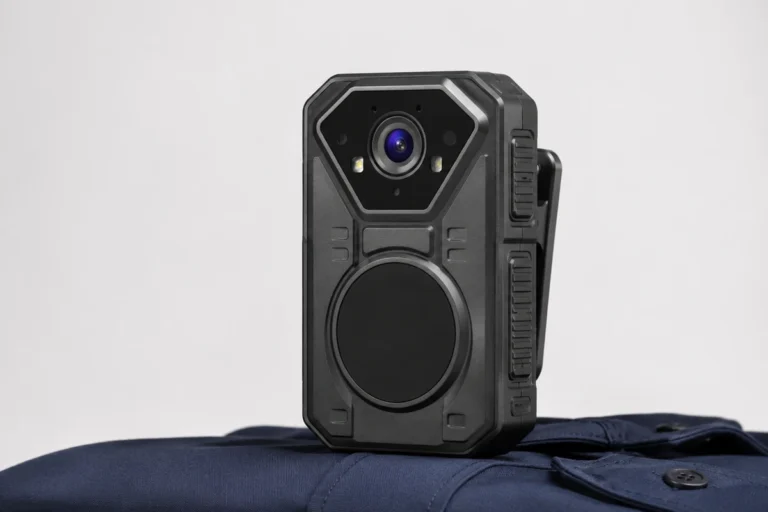
Body camera with a belt clip standing on a stack of folded uniform shirts
In plain terms

What a body camera is

It is a camera and a filing system in one case. The camera part captures sound and picture from the wearer’s own position, and stamps the time onto everything it makes. Most units last a whole working duty on one charge, and the case is built for the job as well: rain, dust, heat, and getting knocked about while the wearer is busy.

What separates it from an ordinary camera is what happens to the recording. Recordings are written where the wearer cannot get at them, and the device has no menu for renaming or deleting one. Docking the camera afterwards moves the footage onto a server you control, where it is filed against the person who wore it, the unit it came from and the time it was made.

Signed out to one wearer per duty

Sound and picture, time-stamped

Sealed against water and dust

Nothing on it can delete a recording

The device

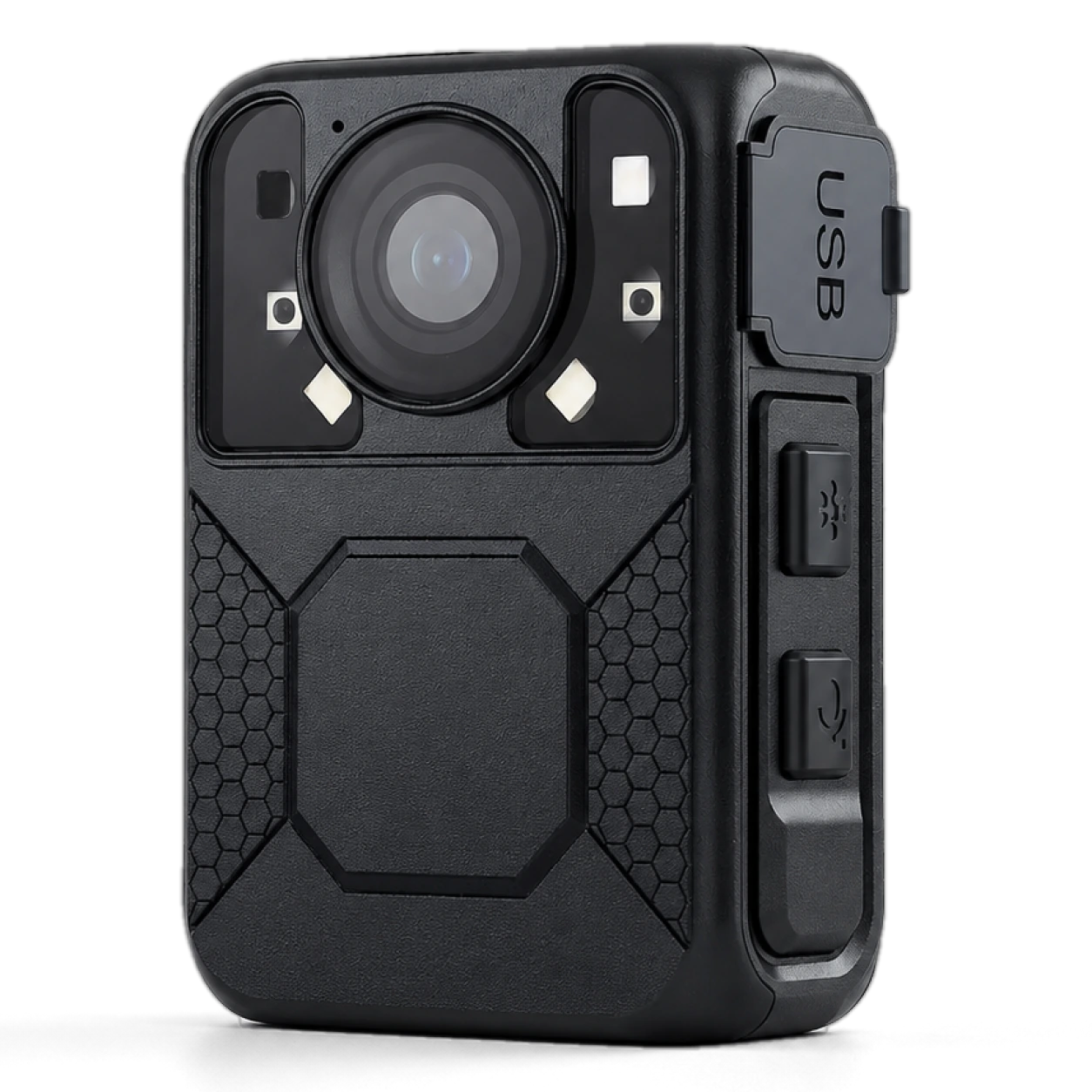
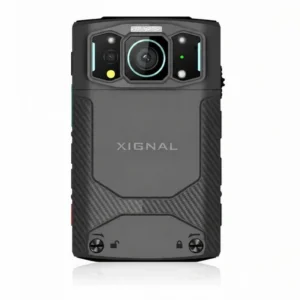
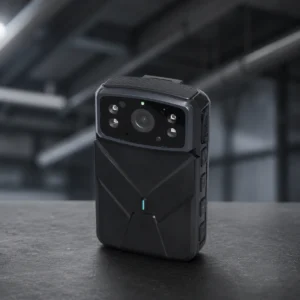
What is on the camera

The parts you can see, and what each one is for.

Body-worn camera with its lens, infrared lights, microphone, record button and sealed port marked
01

Lens

Records what the wearer is facing. The angle is wide, so somebody standing off to one side is still in the picture.

02

Infrared lights

Let the camera keep recording after dark. The picture turns black and white, and how far it reaches varies across the range.

03

Microphone

Picks up sound as well as picture, which is often what settles an argument about what was actually said.

04

Record button

A single press starts recording. On most models the seconds before that press are saved onto the file as well.

05

Sealed port and dock contacts

How the footage leaves the camera. Nothing in the range takes a memory card, so the dock does the work, and some models can also offload down a cable.

Three things matter that a photograph cannot show: the battery, the storage sealed inside the case, and the mount on the back that holds the camera to a harness, a vest or a helmet.

In short

How a body camera works

From pressing record to a file you can find.

01

It records

The wearer presses the button once. Picture, sound and a time stamp go straight into storage sealed inside the camera, and recording continues until it is stopped.

02

It locks the file

Each file is stamped with the time, the unit and the person who signed the camera out. None of that can be changed from the camera afterwards.

03

It goes in the dock

When the duty finishes the camera is put into a bay. The recordings move across and the battery fills again, without anyone opening the case.

04

It becomes evidence

Recordings arrive in software where they can be searched, attached to a case file and shared under permission, with every action written down.

Evidence

How body cameras help capture evidence

What turns a recording into something you can rely on.

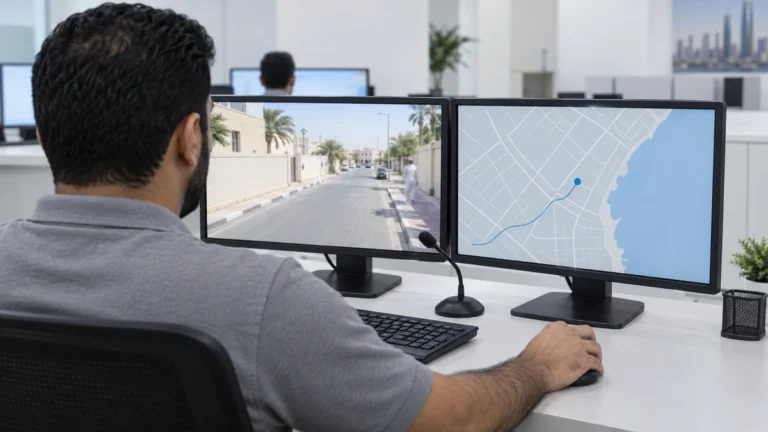
Operator at a workstation reviewing body camera footage beside a map showing the route

A recording only helps if it can still be trusted months later, in front of somebody who was not there. Five things make that possible, and none of them depend on the wearer remembering to do anything.

Why they are used

What you actually get out of it

The practical reasons teams buy them.

Settle disputes with a recording

When two accounts of the same incident do not agree, the footage is a third account, and it does not depend on anyone’s memory.

Answer complaints and claims faster

Someone pulls up the recording and watches it. Without one, the incident has to be rebuilt from statements taken weeks later.

Show that the work is recorded

Everyone at the scene can see the camera. What gets recorded, and who is allowed to watch it, is set out in your policy rather than decided afterwards.

Cover people working alone

Lone and after-hours work goes on the record. Where a camera has a SIM, somebody at base can watch the feed while the job is still running.

Train from real incidents

A recording of a real job is worth more in a debrief than a description of one, because the crew can see exactly what happened.

Keep one searchable record

Everything sits in one place instead of on cards and drives, so a file can still be found when somebody asks for it months later.

Who uses them

Who wears a body camera

Anywhere the job puts somebody in front of other people.

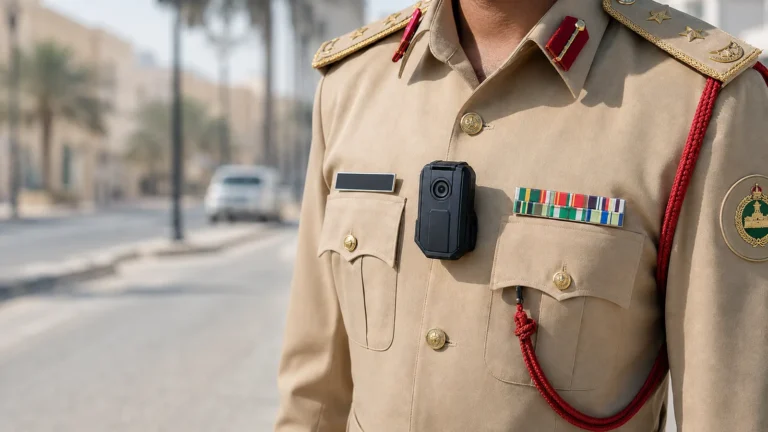
Body camera worn on the uniform of a Dubai police officer

Police and law enforcement

Patrol, traffic stops, public order and custody. This is the largest single use, and the one most published rules are written around.

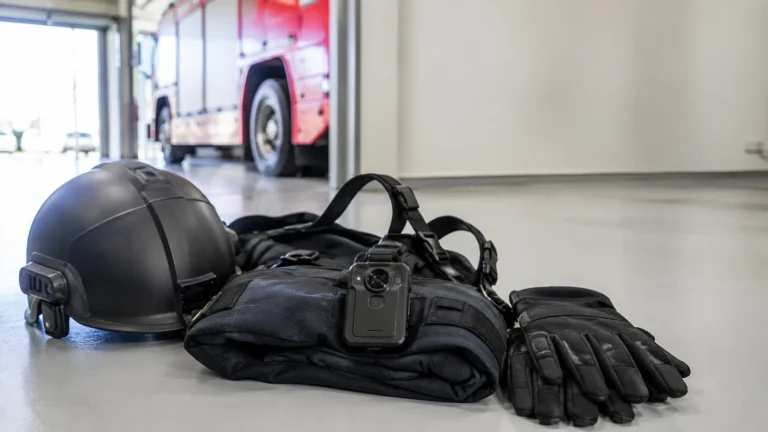
Body camera on a rescue harness with helmet and gloves beside a fire appliance

Emergency services

Fire crews, ambulance and rescue teams wear them at scenes where the public is present and the order of events matters.

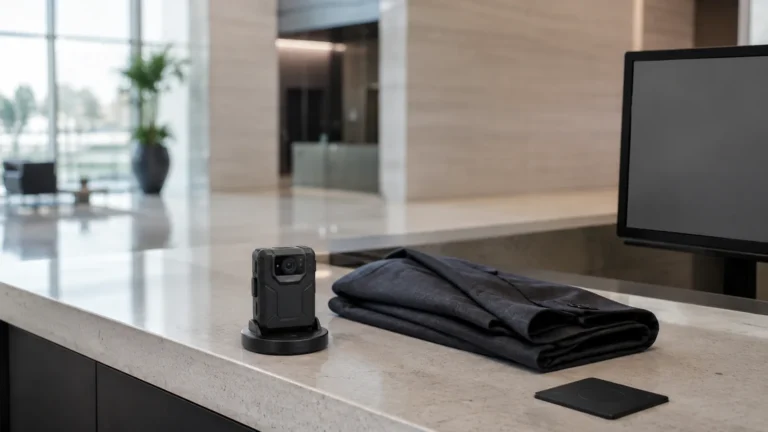
Body camera on a charging dock at a commercial building reception

Commercial security

An officer is often the only person who sees an incident start. Cameras go out on manned guarding, mobile patrol, retail and event work.

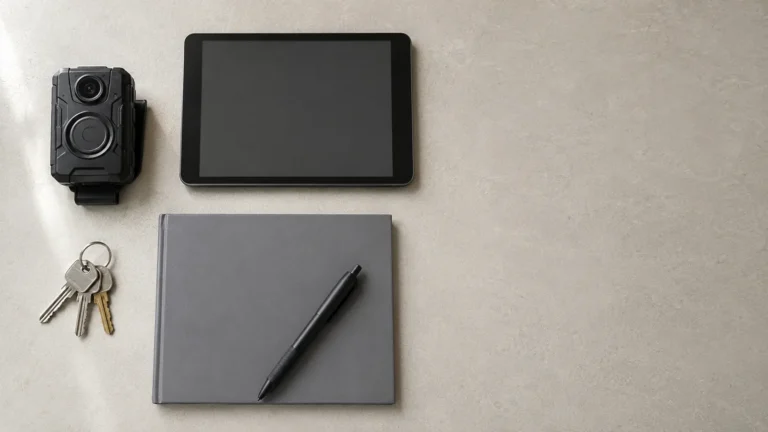
Body camera beside a tablet and inspection notebook on a desk

Inspections and field services

Inspectors and licensing officers keep a record of the premises and of the conversation at the door.

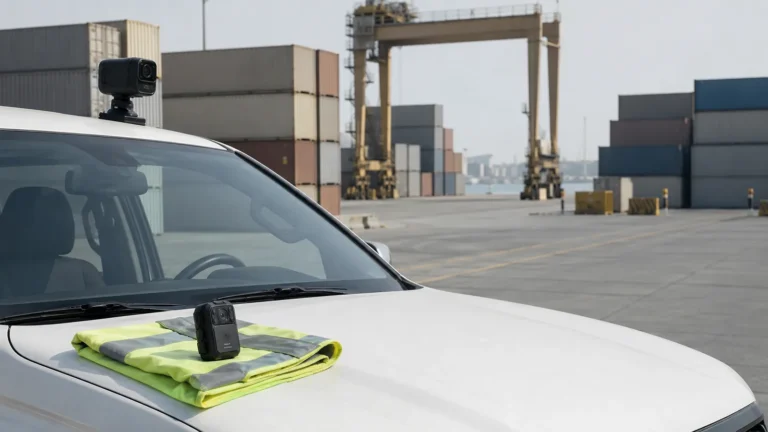
Vehicle camera mounted on a fleet vehicle at a container port

Transport and fleet

The body camera usually works alongside cameras fitted inside the vehicle itself. Drivers, marshals and ground crews carry one.

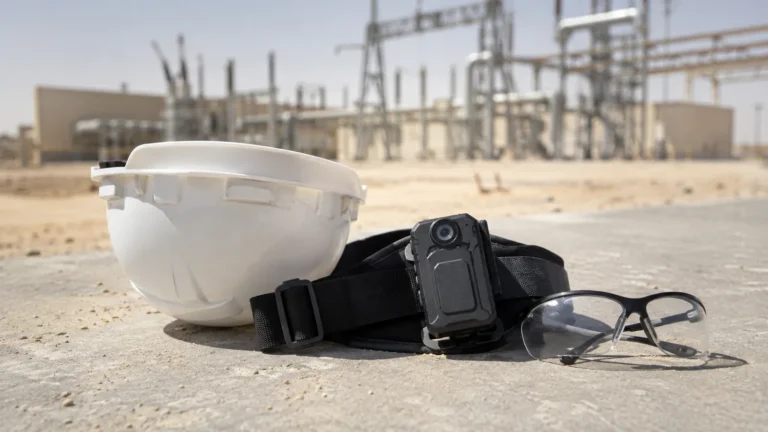
Body camera and hard hat on a chest harness at an industrial site

Construction, utilities and industrial

Site supervisors and contractor escorts record work that gets covered up as soon as it is finished.

Not the same thing

How it differs from other cameras

The cameras it gets confused with.

Body camera

Point of viewWhat the wearer is facing, and what the wearer can hear

Who starts itThe wearer, with one press

Can the file be changedNo. The wearer cannot reach the storage

Where footage ends upThrough a dock, onto a server you control

Built forBeing worn all shift, and being used as evidence

Action camera

Point of viewWhatever it is strapped to is pointing at

Who starts itThe wearer, with one press

Can the file be changedYes. The recording sits on a memory card

Where footage ends upOnto a card, then wherever somebody copies it

Built forSport and hobby recording

CCTV

Point of viewOne fixed view of one place

Who starts itNobody. It runs on its own, continuously

Can the file be changedIt depends who can reach the recorder

Where footage ends upOnto a recorder or a server on the site

Built forWatching a fixed area day after day

Dash camera

Point of viewThe road in front of the vehicle

Who starts itThe ignition, on most installations

Can the file be changedOn many units, yes. The recording sits on a memory card

Where footage ends upOnto a card, or to a fleet server

Built forRecording a journey and a collision

Common questions

Short answers to what people ask first.

No. Offline units record to encrypted internal storage and transfer everything when they are docked, with no connectivity required at any point. 4G/5G models add live streaming where operations need it, but that is an option rather than a dependency.

Across the range we supply, published continuous recording runs from 9 to 12 hours on one charge, and 13 hours on the helmet unit, which carries a detachable second cell. Models with a swappable cell extend past their figure without returning to a dock.

1080p is the working floor. Across the range we supply, recording runs from 1280 x 720 up to 4K. Higher is not automatically better.

No. Footage is written to storage the wearer has no write access to, and every file carries the operator ID and a tamper-evident timestamp. Once it has been extracted, every action taken on it is recorded in the audit trail, including who viewed it, who shared it and who exported it.

Six of the nine body cameras we supply publish GPS. Where GPS is present, position is written into the file alongside the operator ID and the timestamp, which is what lets an incident be reconstructed against a map afterwards.

Body Camera Models

Two ways to deploy. Browse below.

Request a Demonstration

Tell us where the cameras will be deployed and we will arrange a demonstration with the right models for your sector.

Connect on WhatsApp